Can't find what you're looking for? Get in touch!



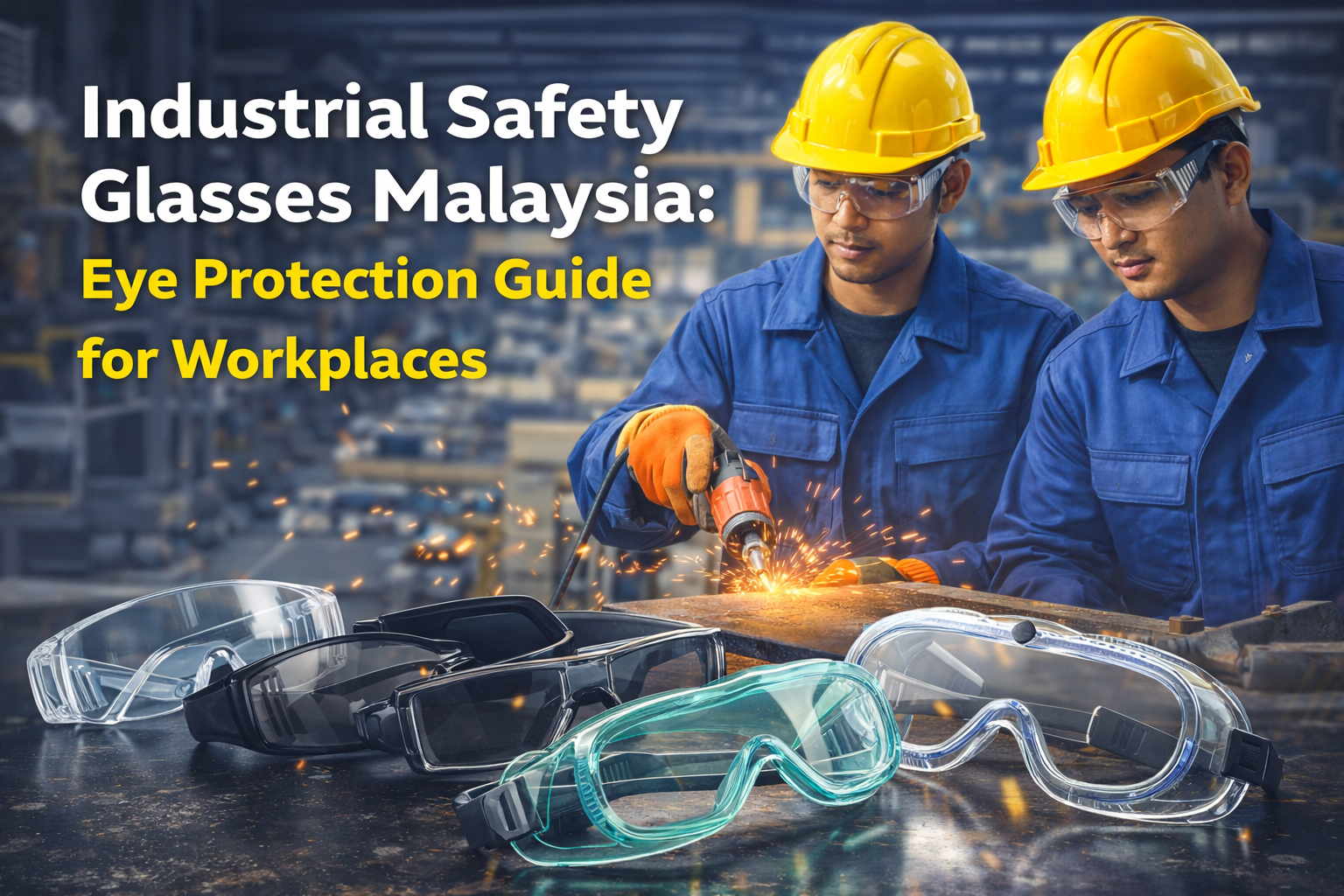
Eye injuries are one of the most preventable workplace accidents. In industries such as construction, manufacturing, metal fabrication, and engineering, workers are constantly exposed to hazards like flying debris, chemical splashes, dust, and sparks.
Industrial safety glasses are designed to protect workers from these hazards while maintaining visibility and comfort during daily tasks. In Malaysia, businesses across multiple industries rely on industrial safety glasses as an essential part of their personal protective equipment (PPE).
Companies that prioritize workplace safety often source their protective gear from experienced PPE suppliers in Johor, ensuring their teams have access to reliable equipment that meets safety standards.
This guide explains the types of safety glasses used in Malaysia, where they are required, and how businesses can choose the right protective eyewear for their workers.
Why Eye Protection Is Critical in Industrial Workplaces

Eyes are extremely sensitive and vulnerable to injury. Even small particles or chemical exposure can cause permanent damage if proper protection is not used.
Workplace hazards that threaten eye safety include:
- flying metal fragments
- dust and debris
- chemical splashes
- sparks from welding
- ultraviolet radiation
- high-speed machinery particles
In industries such as construction and manufacturing, eye injuries often occur when workers do not wear protective eyewear consistently.
Many companies integrate safety glasses with other PPE equipment such as helmets, gloves, and protective footwear obtained from reliable industrial safety equipment suppliers in Johor, helping ensure workers remain protected in hazardous environments.
Proper eye protection significantly reduces workplace injuries and improves compliance with occupational safety guidelines.
Common Types of Safety Glasses Used in Malaysia

Different work environments require different forms of eye protection. Understanding the various types of safety glasses helps businesses select the right PPE for their workforce.
Standard Safety Glasses
Standard safety glasses are the most commonly used protective eyewear in industrial environments.
They are designed to protect against:
- dust
- small debris
- light impact hazards
These glasses typically feature durable polycarbonate lenses that provide high impact resistance while remaining lightweight for daily use.
They are commonly used in:
- warehouses
- manufacturing plants
- construction sites
- mechanical workshops
Anti-Fog Safety Glasses

Workers operating in humid environments or wearing face masks often experience lens fogging.
Anti-fog safety glasses are designed with special coatings that prevent condensation from forming on the lens surface.
These glasses are particularly useful for workers in:
- manufacturing facilities
- food processing plants
- laboratories
- high humidity industrial environments
Anti-fog lenses help maintain visibility and reduce safety risks caused by blurred vision.
Chemical Splash Goggles

Chemical splash goggles provide stronger protection compared to regular safety glasses.
They form a sealed barrier around the eyes to protect workers from:
- liquid chemicals
- hazardous substances
- laboratory splashes
These goggles are commonly used in:
- chemical laboratories
- pharmaceutical production
- industrial cleaning operations
Workers dealing with chemical exposure often use goggles alongside protective gloves and face shields supplied by trusted industrial PPE suppliers in Johor.
Welding Safety Glasses
Welding processes generate sparks, bright light, and ultraviolet radiation that can cause severe eye injuries.
Welding safety glasses include specialized lenses that protect against:
- UV radiation
- intense light exposure
- metal sparks
These glasses are often combined with welding helmets for maximum protection.
Industries such as metal fabrication and construction heavily rely on this form of eye protection.
Industries That Require Safety Glasses in Malaysia
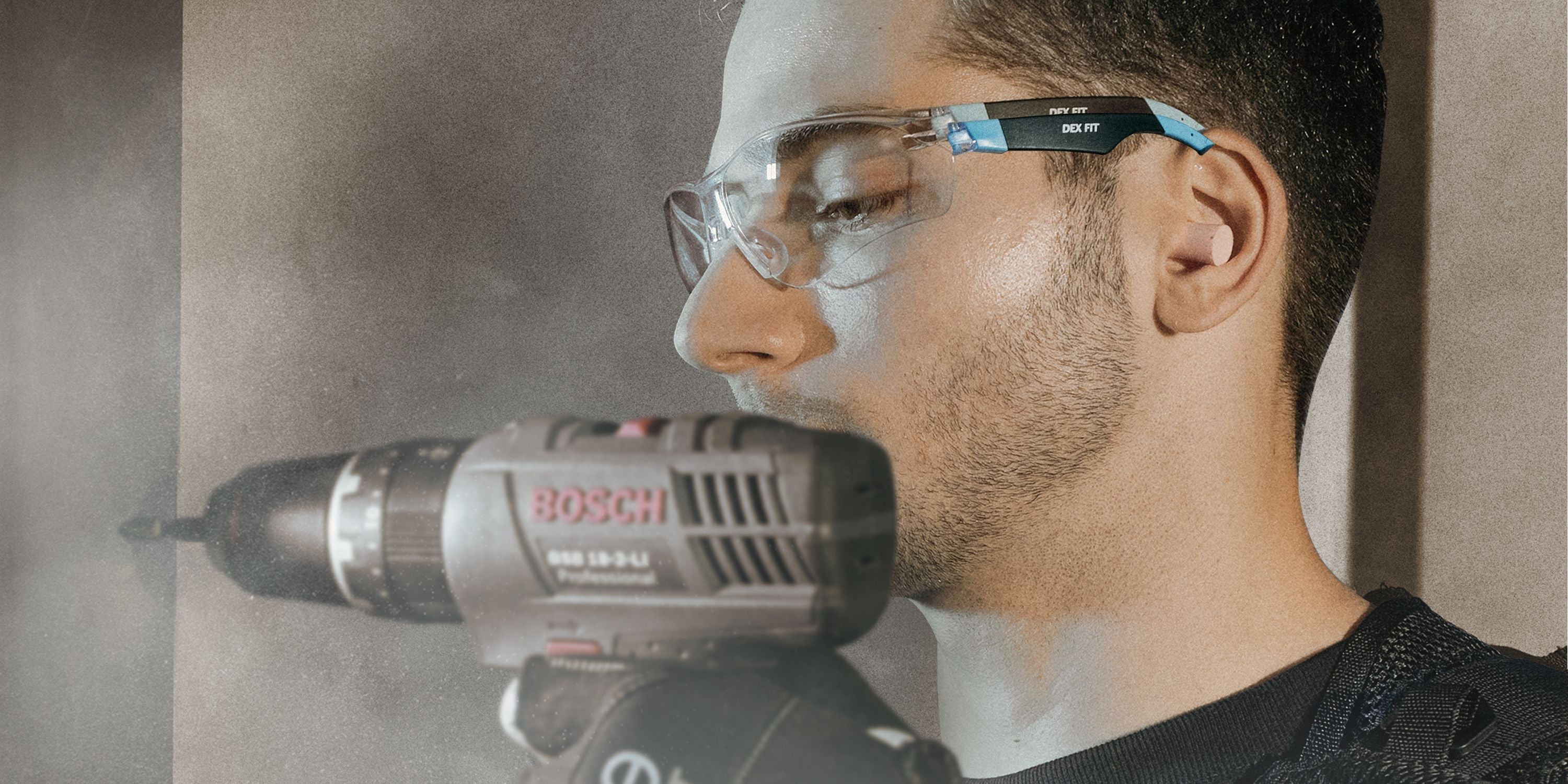
Safety glasses are widely used across many industries where workers face eye hazards.
Construction Industry
Construction sites involve cutting, drilling, grinding, and heavy equipment operations that can produce flying debris.
Workers in these environments require reliable protective eyewear alongside helmets, gloves, and safety boots obtained from trusted construction safety equipment suppliers in Johor.
Manufacturing Industry
Manufacturing plants expose workers to machinery, metal particles, and high-speed operations.
Workers in assembly lines, machining workshops, and metal fabrication facilities rely on safety glasses to prevent eye injuries during daily operations.
Factories that maintain strict safety standards often source their PPE from experienced factory safety equipment providers in Johor, ensuring consistent protection for their workforce.
Automotive Workshops
Automotive technicians frequently work with tools, lubricants, and metal parts.
Protective eyewear helps prevent injuries caused by:
- grinding sparks
- mechanical debris
- fluid splashes
Safety glasses also improve visibility when working in bright workshop environments.
Laboratories and Chemical Facilities
Chemical laboratories require sealed goggles that protect against liquid exposure and chemical vapors.
These facilities often use protective eyewear as part of a broader PPE program that includes gloves, masks, and lab coats.
How to Choose the Right Safety Glasses
Selecting the correct protective eyewear depends on several important factors.
Identify Workplace Hazards
Different environments expose workers to different risks.
Examples include:
- debris and dust
- chemicals
- sparks and heat
- bright light
- airborne particles
Understanding these hazards helps determine which type of safety glasses are required.
Choose Impact-Resistant Materials
Most industrial safety glasses use polycarbonate lenses due to their high durability and impact resistance.
These lenses provide protection against flying objects while remaining lightweight and comfortable.
Ensure Proper Fit and Comfort
Workers are more likely to wear safety glasses consistently when they are comfortable.
Features that improve usability include:
- adjustable nose bridges
- lightweight frames
- anti-slip temples
- wraparound designs
Proper fit also prevents debris from entering through gaps.
Check Safety Certifications
Reliable safety glasses should meet recognized safety standards.
These may include:
- ANSI Z87.1
- EN166 European safety standards
- ISO safety certifications
Businesses sourcing PPE from established PPE suppliers in Johor typically receive products that comply with these standards.
Safety Regulations and Compliance in Malaysia
Malaysia places strong emphasis on workplace safety through organizations such as the Department of Occupational Safety and Health (DOSH).
Employers are responsible for providing suitable PPE to workers exposed to occupational hazards.
Safety glasses are often required in industries where eye injuries are likely, particularly in construction and manufacturing environments.
Companies that work with experienced industrial safety equipment suppliers in Johor often receive guidance on selecting PPE that meets regulatory requirements.
Why Businesses Should Work With Reliable PPE Suppliers
Choosing the right safety glasses is only one part of a successful workplace safety program.
Businesses must also work with reliable PPE suppliers that can provide:
- certified safety equipment
- consistent product quality
- bulk supply capabilities
- expert product recommendations
Many organizations in Johor rely on experienced PPE suppliers in Johor who understand the safety needs of local industries.
Reliable suppliers ensure that companies always have access to protective equipment that meets both safety standards and operational requirements.
Conclusion
Industrial safety glasses play a crucial role in protecting workers from eye injuries in construction sites, factories, laboratories, and workshops across Malaysia.
By understanding the different types of protective eyewear available, businesses can choose safety glasses that match their workplace hazards and operational needs.
Companies that invest in proper PPE programs and partner with trusted industrial safety equipment suppliers in Johor help create safer working environments while reducing workplace accidents.
Protecting workers’ vision is not only a legal responsibility but also a key part of building a productive and safety-focused workplace.
Frequently Asked Questions
What are industrial safety glasses used for?
Safety glasses protect workers from hazards such as dust, flying debris, chemical splashes, and sparks.
Which industries require safety glasses in Malaysia?
Industries such as construction, manufacturing, laboratories, and automotive workshops commonly require protective eyewear.
Are safety glasses required for workplace safety compliance?
Many workplaces require safety glasses as part of their PPE program to comply with occupational safety regulations.
What materials are used in safety glasses?
Most industrial safety glasses use polycarbonate lenses due to their high impact resistance and lightweight design.
Where can businesses buy safety glasses in Johor?
Companies typically obtain protective eyewear and other PPE equipment from experienced PPE suppliers in Johor who provide safety gear suitable for different industries.
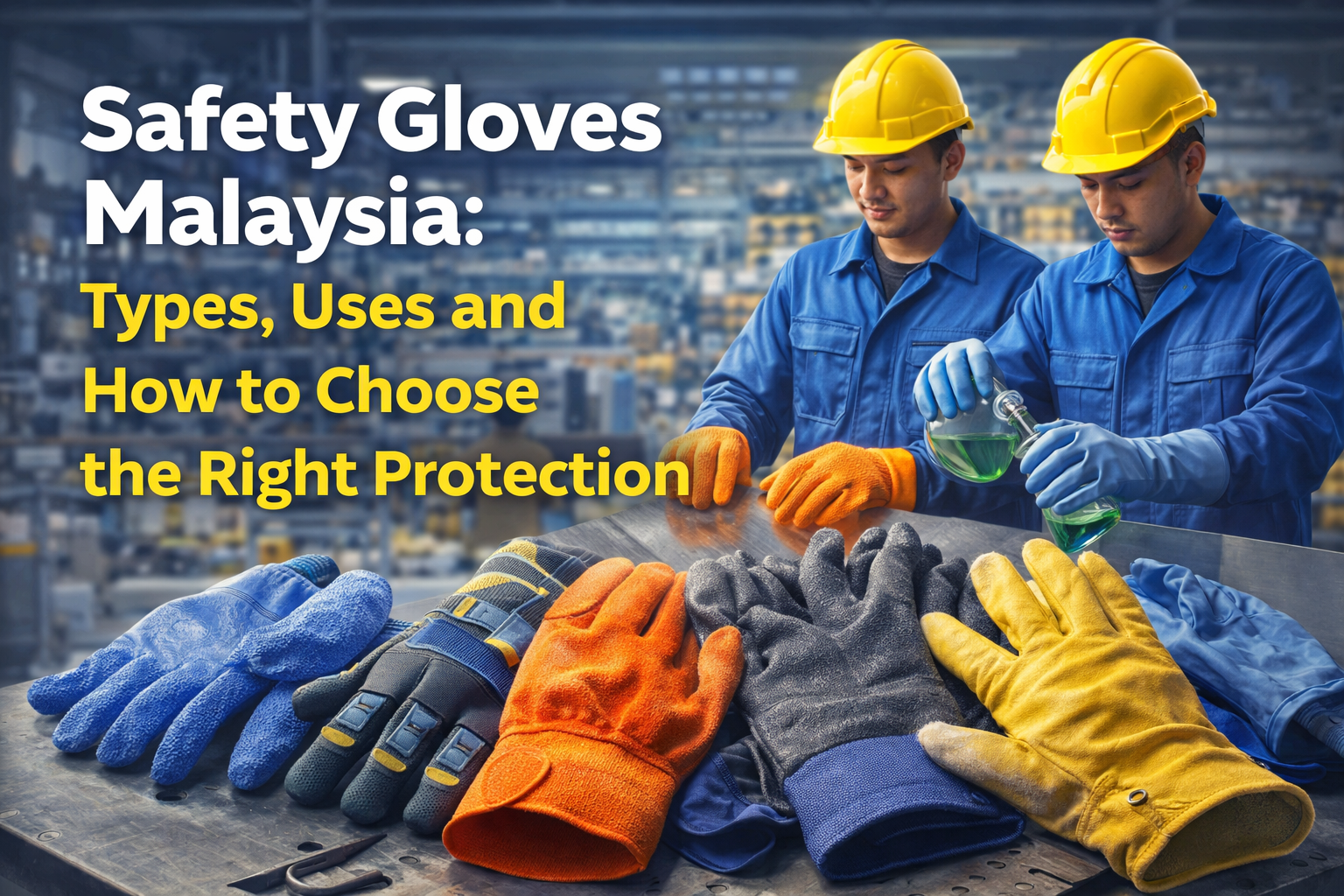
Hand injuries are among the most common workplace accidents in construction sites, factories, warehouses, and industrial facilities. Workers handle sharp tools, rough materials, chemicals, and heavy equipment every day, making proper hand protection essential for workplace safety.
In Malaysia, businesses across industries rely on safety gloves as a core part of their personal protective equipment (PPE) programs. Whether in manufacturing plants, construction sites, or maintenance operations, the right gloves help reduce injuries and ensure workers remain protected throughout their tasks.
Understanding the different types of safety gloves Malaysia workplaces require is essential when selecting protective equipment. Businesses that partner with a trusted PPE supplier in Johor often gain expert guidance on selecting gloves suited to their operational risks and compliance requirements.
In this guide, we explain the common types of safety gloves used in Malaysia, their applications across industries, and how businesses can choose the right protective gloves for their workers.
Why Safety Gloves Are Essential in Industrial Workplaces

Hands are one of the most exposed parts of the body during physical work. Workers frequently handle tools, materials, machinery, and chemicals that can cause serious injuries if proper protection is not used.
Industrial workplaces across Malaysia rely on safety gloves to prevent:
- Cuts and lacerations from sharp materials
- Abrasions caused by rough surfaces
- Chemical burns and skin irritation
- Heat exposure from hot equipment
- Impact injuries during heavy work
In sectors like construction, manufacturing, and engineering, gloves are often required alongside other PPE such as helmets, safety shoes, and protective eyewear. Companies that maintain strong safety programs typically obtain these items from a reliable industrial safety equipment supplier in Johor to ensure consistent quality and availability.
By implementing proper hand protection policies, businesses reduce workplace accidents while improving productivity and compliance with safety regulations.
Common Types of Safety Gloves Used in Malaysia

Different industries require different forms of hand protection. Understanding glove materials and their protective properties helps businesses choose the right gloves for each task.
Cut Resistant Gloves
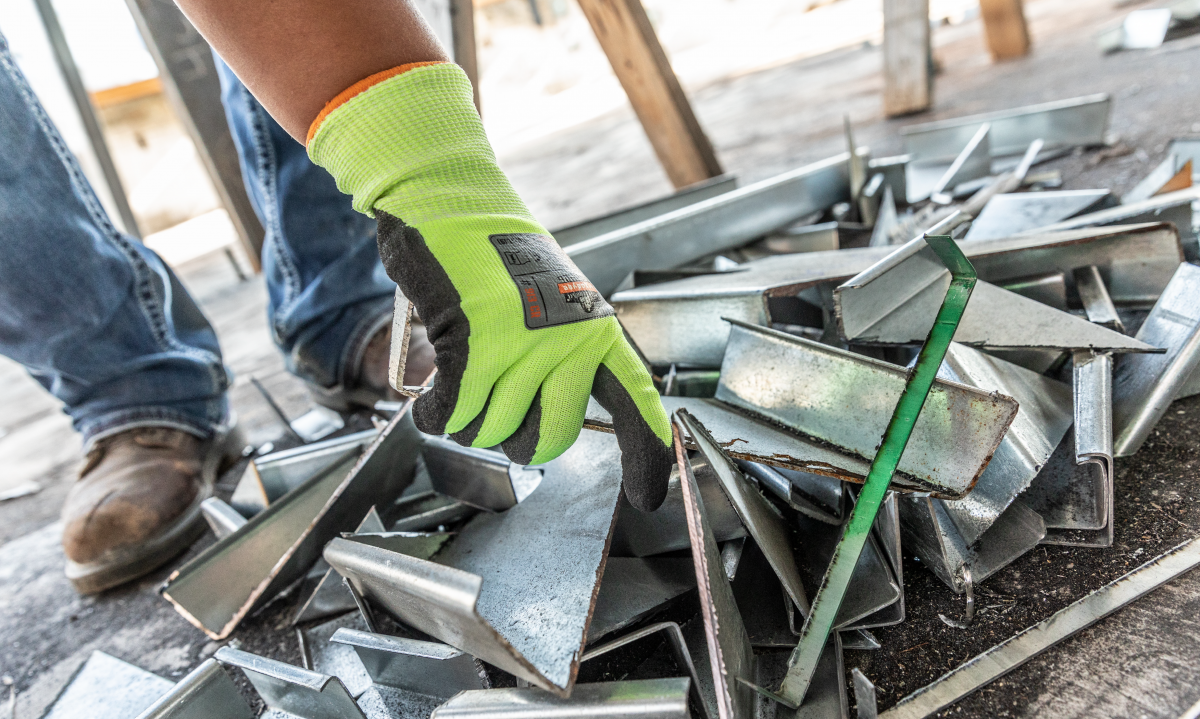
Cut resistant gloves are widely used in industries where workers handle sharp materials such as metal sheets, glass, or construction tools.
These gloves are commonly used in:
- manufacturing plants
- metal fabrication workshops
- construction sites
- automotive assembly facilities
They are designed using materials such as Kevlar, HPPE fibers, or steel mesh to reduce the risk of cuts while maintaining flexibility.
Factories that regularly deal with metal components often combine cut-resistant gloves with other protective gear obtained from trusted factory safety equipment suppliers in Johor.
Chemical Resistant Gloves
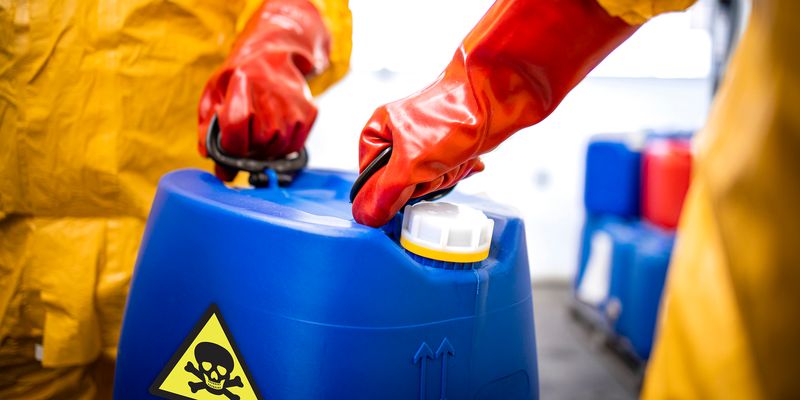
Workers who handle chemicals require gloves designed to resist chemical exposure. These gloves protect against corrosive substances, oils, solvents, and cleaning agents.
Common materials include:
- nitrile
- neoprene
- latex
- PVC
Chemical-resistant gloves are widely used in industries such as:
- laboratories
- chemical manufacturing
- oil and gas facilities
- cleaning and sanitation services
Proper glove selection is important because not all materials resist the same chemicals.
Heat Resistant Gloves
Heat resistant gloves protect workers from high temperatures and hot surfaces.
These gloves are commonly used in:
- welding operations
- metal foundries
- mechanical workshops
- food processing plants
Materials such as leather, aramid fibers, and insulated fabrics help workers handle hot equipment safely while maintaining grip and dexterity.
Impact Protection Gloves
Impact gloves protect hands from crushing injuries, vibration, and heavy mechanical tasks.
They are frequently used in:
- oil and gas industries
- construction projects
- mining operations
- heavy equipment maintenance
The gloves contain reinforced padding or rubber protection on the back of the hand to absorb impacts during manual work.
Disposable Protective Gloves
Disposable gloves are commonly used for hygiene and contamination control rather than heavy mechanical protection.
They are widely used in:
- food handling
- medical environments
- laboratories
- cleaning operations
Latex, vinyl, and nitrile disposable gloves offer lightweight protection for short-term tasks.
Industries That Require Safety Gloves in Malaysia

Many sectors rely heavily on industrial safety gloves Malaysia workplaces depend on for worker protection.
Construction Industry
Construction workers handle tools, heavy materials, and equipment daily. Gloves protect them from cuts, abrasions, and impact injuries.
When companies invest in reliable PPE programs, they usually obtain gloves alongside other protective gear from experienced construction safety equipment suppliers in Johor, ensuring workers remain protected on site.
Manufacturing Industry
Factories expose workers to sharp machinery, metal components, chemicals, and hot surfaces.
Manufacturing plants often require multiple types of gloves depending on the department. Assembly line workers may use lightweight gloves for dexterity, while metal fabrication teams require high cut-resistance protection.
Many industrial plants integrate gloves into broader safety programs supported by trusted industrial safety equipment suppliers in Johor.
Logistics and Warehousing
Warehouse workers frequently handle boxes, pallets, and heavy materials that can cause abrasions and strain injuries.
Protective gloves improve grip while protecting hands from rough packaging materials and lifting tasks.
Automotive Workshops
Mechanics and technicians require gloves to protect against oil exposure, sharp components, and mechanical hazards.
Durable gloves also improve grip when handling tools and machinery.
How to Choose the Right Safety Gloves
Selecting the correct gloves involves evaluating several important factors.
Identify Workplace Hazards
The first step is understanding the type of risk workers face.
Common hazards include:
- sharp edges
- chemicals
- heat exposure
- heavy equipment
- vibration
Matching glove materials to these hazards ensures workers receive the right protection.
Choose the Right Glove Material
Different glove materials provide different protection levels.
Examples include:
- nitrile for chemical resistance
- Kevlar for cut resistance
- leather for heat protection
- rubber for waterproof protection
Choosing the right material improves both safety and comfort.
Consider Comfort and Fit
Workers are more likely to wear gloves consistently when they fit well.
Gloves should provide:
- flexibility
- breathable materials
- proper grip
- good dexterity
Proper sizing is essential to ensure gloves do not interfere with work tasks.
Check Safety Certifications
Reliable PPE should comply with recognized safety standards.
Many industrial gloves follow international standards such as:
- EN388 for mechanical protection
- ANSI cut resistance levels
- ISO safety standards
Businesses sourcing gloves from reputable PPE suppliers in Johor typically receive products that meet these certification requirements.
Safety Standards for Gloves in Malaysia
Safety gloves used in Malaysian workplaces should meet recognized industrial safety standards.
These standards ensure gloves are tested for protection against specific hazards.
Examples include:
EN388 – Mechanical risk protection
ANSI – Cut resistance classification
ISO – International safety standards
Organizations such as the Department of Occupational Safety and Health (DOSH) promote workplace safety practices that encourage proper PPE usage across industries.
Businesses looking to strengthen workplace safety often combine certified gloves with other equipment such as helmets, footwear, and protective clothing from reliable industrial safety equipment providers in Johor.
Why Choosing a Reliable PPE Supplier Matters
Choosing the right safety gloves is only part of workplace protection. Businesses must also work with dependable suppliers who can deliver consistent PPE quality and expert recommendations.
Reliable suppliers help companies:
- identify suitable protective equipment
- maintain safety compliance
- ensure product availability
- support large industrial orders
Companies operating in Johor frequently rely on experienced PPE suppliers in Johor who understand the safety needs of construction sites, factories, and logistics facilities.
Having access to a dependable supplier ensures workplaces remain properly equipped with safety gear whenever it is needed.
Conclusion
Safety gloves play a crucial role in protecting workers from injuries in construction sites, factories, warehouses, and industrial environments across Malaysia.
With many glove types available, businesses must evaluate workplace hazards carefully before selecting protective equipment. The right glove material, fit, and certification ensure workers remain protected while performing their daily tasks.
Partnering with a trusted industrial safety equipment supplier in Johor also helps businesses maintain consistent PPE standards while ensuring workers always have access to reliable protective gear.
By investing in proper safety gloves and workplace protection strategies, companies not only reduce workplace accidents but also create safer and more productive environments for their employees.
Frequently Asked Questions
What are safety gloves used for in industrial workplaces?
Safety gloves protect workers from hazards such as cuts, chemicals, heat, and abrasions during manual tasks.
Which industries require safety gloves in Malaysia?
Industries such as construction, manufacturing, oil and gas, logistics, and automotive workshops commonly require protective gloves.
How do I choose the right safety gloves?
Businesses should evaluate workplace hazards, glove materials, comfort, and safety certifications before selecting protective gloves.
Are safety gloves required for workplace safety compliance?
Many industries require gloves as part of PPE programs to comply with workplace safety regulations and prevent injuries.
Where can businesses buy safety gloves in Johor?
Companies often obtain protective gloves and other PPE equipment from experienced PPE suppliers in Johor who provide safety gear suitable for different industries.
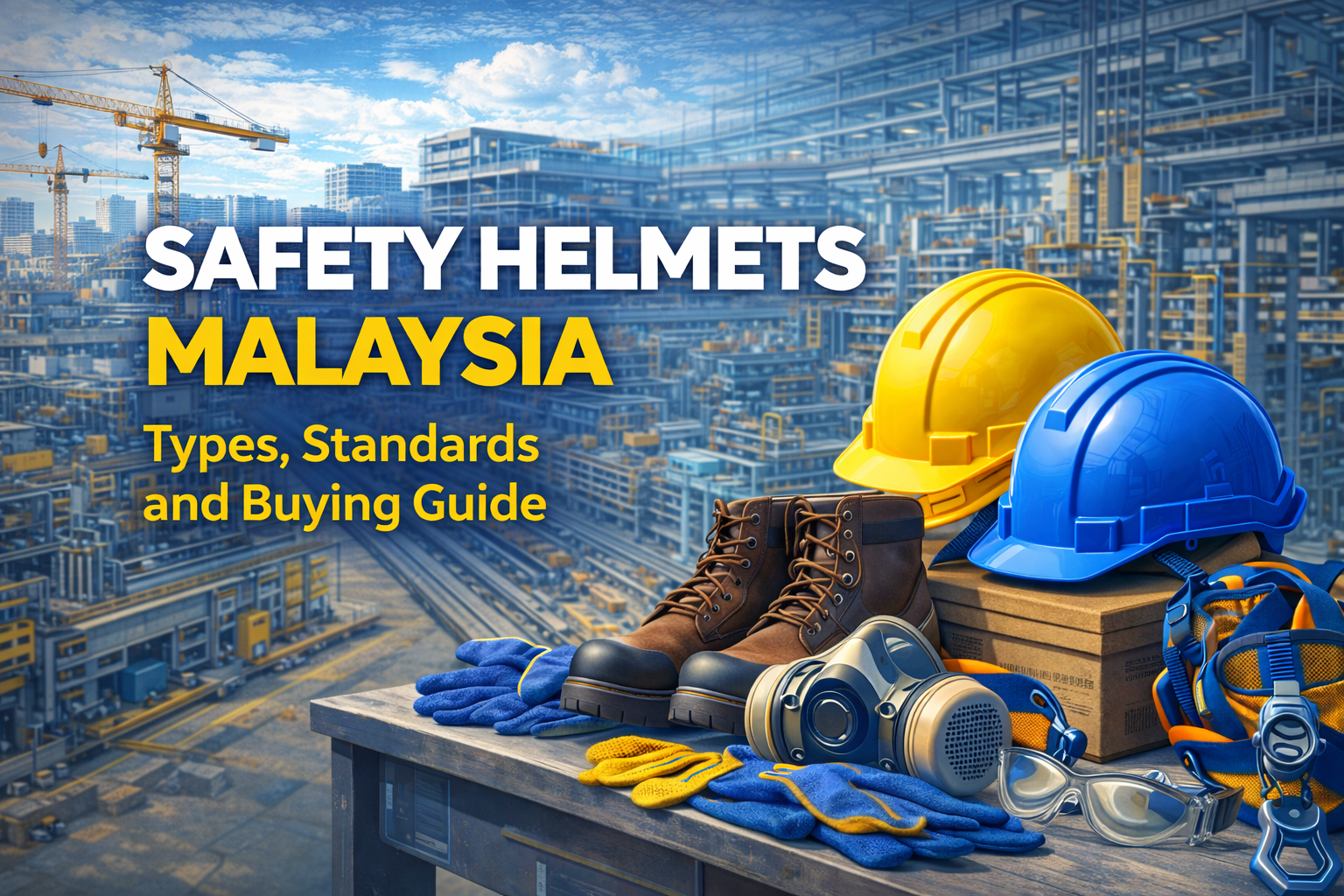
Workplace safety is a critical responsibility for companies operating in construction, manufacturing, engineering, and industrial sectors. One of the most essential pieces of personal protective equipment (PPE) used in these environments is the safety helmet. In Malaysia, safety helmets help protect workers from head injuries caused by falling objects, accidental impacts, and workplace hazards.
Industrial workplaces often involve heavy machinery, elevated work areas, and construction materials that may pose risks to workers. Without proper head protection, even minor accidents can result in serious injuries. Because of this, businesses must ensure that workers are equipped with high-quality safety helmets that meet recognized safety standards.
This guide explains everything companies need to know about safety helmets in Malaysia, including the different types available, safety standards, how to choose the right helmet, and why reliable suppliers play an important role in workplace safety.
Why Safety Helmets Are Essential in Industrial Workplaces

Safety helmets are designed to absorb impact and protect workers from head injuries in hazardous environments. Industries such as construction, manufacturing, and logistics frequently involve risks such as falling tools, moving machinery, and structural hazards.
When workers wear certified safety helmets, the helmet shell and suspension system help absorb shock from impacts and distribute force across the helmet structure. This reduces the risk of severe injuries and protects workers in high-risk environments.
Industrial safety equipment providers often emphasize the importance of proper PPE when developing workplace safety programs. Many businesses sourcing protective gear rely on suppliers that provide industrial safety equipment in Johor, ensuring that helmets and other protective equipment meet industry safety standards.
Using certified safety helmets significantly improves worker protection and helps companies maintain compliance with workplace safety regulations.
Common Types of Safety Helmets Used in Malaysia
Different industries require different helmet designs. Understanding these helmet types helps businesses choose equipment suitable for specific job roles.
Type 1 Safety Helmets
Type 1 helmets are designed to protect workers from impacts to the top of the head. They are commonly used in construction sites and industrial workplaces where falling objects may pose a risk.
These helmets are widely used by construction workers, engineers, and maintenance personnel. The design focuses on vertical impact protection, making them ideal for environments where materials or tools may fall from above.
Companies involved in infrastructure projects frequently rely on suppliers that specialize in construction safety equipment in Johor, ensuring workers receive helmets suitable for construction site hazards.
Type 2 Safety Helmets
Type 2 helmets provide protection from both top and lateral impacts. These helmets are designed for environments where workers may be exposed to side impacts from equipment or structural materials.
Although less common than Type 1 helmets, they are often used in high-risk industrial environments such as mining, heavy manufacturing, and engineering operations.
Because these helmets provide additional protection, they are sometimes recommended for specialized industrial environments where workers face multiple impact risks.
Full Brim Safety Helmets
Full brim helmets provide extended coverage around the entire helmet structure. The brim helps protect workers from sun exposure, rain, and debris.
These helmets are commonly used in outdoor environments such as construction sites, road maintenance projects, and infrastructure development.
Many construction companies prefer full brim helmets because they provide both impact protection and additional environmental protection for workers.
Vented Safety Helmets
Vented helmets include small openings that allow airflow through the helmet structure. These helmets improve comfort in hot environments, which is particularly important in tropical climates like Malaysia.
Workers performing physically demanding tasks often prefer vented helmets because they help reduce heat buildup during long working hours.
However, vented helmets should only be used in environments where electrical hazards are not present, as ventilation openings may reduce electrical protection.
Safety Helmet Materials
The materials used to manufacture safety helmets play a major role in determining durability and impact resistance.
Most safety helmets are made from high-strength thermoplastic materials such as polyethylene or polycarbonate. These materials provide excellent impact protection while remaining lightweight and comfortable for workers.
High-quality helmets also include internal suspension systems that help distribute impact forces across the helmet structure.
Businesses sourcing helmets often work with experienced PPE providers such as PPE supplier Johor, who help companies select helmets designed for their specific workplace environments.
Selecting helmets made from durable materials ensures workers receive reliable protection during daily operations.
Safety Helmet Standards in Malaysia
Safety helmets used in Malaysia must comply with recognized safety standards to ensure they provide adequate protection.
Common helmet standards include:
- ANSI safety standards
• EN European standards
• Malaysian occupational safety guidelines
Certified helmets undergo testing to ensure they can withstand impacts, penetration hazards, and electrical risks.
In Malaysia, workplace safety is regulated by the Department of Occupational Safety and Health (DOSH). Employers are responsible for ensuring workers receive appropriate PPE in hazardous environments.
Businesses can review workplace safety guidelines through the official DOSH website:
Following these standards helps companies ensure that workers receive helmets that meet proper safety requirements.
How to Choose the Right Safety Helmet
Selecting the right safety helmet requires understanding the hazards present in a workplace.
Companies should consider several factors when choosing helmets for their workforce.
Workplace Environment
Different workplaces require different helmet features. Construction sites may require helmets that protect against falling objects, while manufacturing facilities may need helmets that protect against electrical hazards.
Evaluating workplace risks helps companies choose helmets designed for their specific environment.
Comfort and Fit
Workers must wear helmets for long periods of time. Therefore, comfort and proper fit are essential.
Helmets should include adjustable suspension systems that allow workers to customize the fit. Proper ventilation and lightweight materials also improve comfort.
When workers feel comfortable wearing protective equipment, they are more likely to wear it consistently.
Compatibility with Other PPE
Safety helmets must often be used alongside other protective equipment such as face shields, ear protection, or respirators.
Choosing helmets that are compatible with additional PPE ensures workers can safely use multiple protective systems at the same time.
Many companies implementing workplace safety programs consult guides such as how businesses in Johor choose reliable safety equipment suppliers, which explains how experienced PPE providers help organizations select compatible protective gear.
Helmet Replacement and Maintenance
Safety helmets should be inspected regularly to ensure they remain in good condition. Helmets that show signs of cracks, dents, or structural damage should be replaced immediately.
Even helmets that appear undamaged should be replaced after prolonged use, as materials may degrade over time due to sunlight exposure or workplace conditions.
Regular inspections ensure helmets continue to provide reliable protection for workers.
Benefits of Using Certified Safety Helmets
Certified safety helmets offer several advantages for businesses and workers.
First, they significantly reduce the risk of head injuries in hazardous environments. Workers operating near machinery, elevated structures, or construction equipment benefit greatly from proper head protection.
Second, certified helmets help companies comply with workplace safety regulations, reducing liability risks and ensuring compliance with occupational safety laws.
Finally, reliable helmets improve worker confidence and morale, as employees feel safer when equipped with proper protective gear.
The Role of Reliable PPE Suppliers
Choosing the right PPE supplier plays a crucial role in ensuring businesses receive high-quality safety helmets.
Reliable suppliers provide certified equipment, consistent product availability, and professional guidance when selecting protective gear.
Businesses searching for trusted equipment providers often review resources such as where to get the best PPE in Johor, which highlights how companies can identify reliable safety suppliers in the region.
Working with experienced suppliers ensures companies receive helmets designed for industrial environments.
Conclusion

Safety helmets play a vital role in protecting workers from head injuries in industrial environments. In Malaysia, industries such as construction, manufacturing, and engineering rely on helmets to protect workers from falling objects, structural hazards, and workplace accidents.
Understanding the different types of helmets, safety standards, and selection criteria helps businesses choose equipment that provides reliable protection for their workforce.
By investing in certified helmets and working with experienced PPE suppliers, companies can build safer workplaces while ensuring compliance with Malaysian occupational safety regulations.
Protecting workers with proper safety equipment is not only a legal responsibility but also a commitment to maintaining safe and productive workplaces.
Frequently Asked Questions
What are safety helmets used for?
Safety helmets protect workers from head injuries caused by falling objects, impacts, and workplace hazards.
Are safety helmets required in Malaysian workplaces?
Yes. Employers must provide appropriate PPE, including safety helmets, when workers are exposed to head injury risks.
What is the difference between Type 1 and Type 2 safety helmets?
Type 1 helmets protect from impacts to the top of the head, while Type 2 helmets provide protection from both top and side impacts.
How often should safety helmets be replaced?
Helmets should be replaced if they show signs of damage or after several years of use depending on manufacturer guidelines.
Where can companies buy safety helmets in Johor?
Businesses can purchase helmets from trusted PPE suppliers that provide certified safety equipment for industrial workplaces.
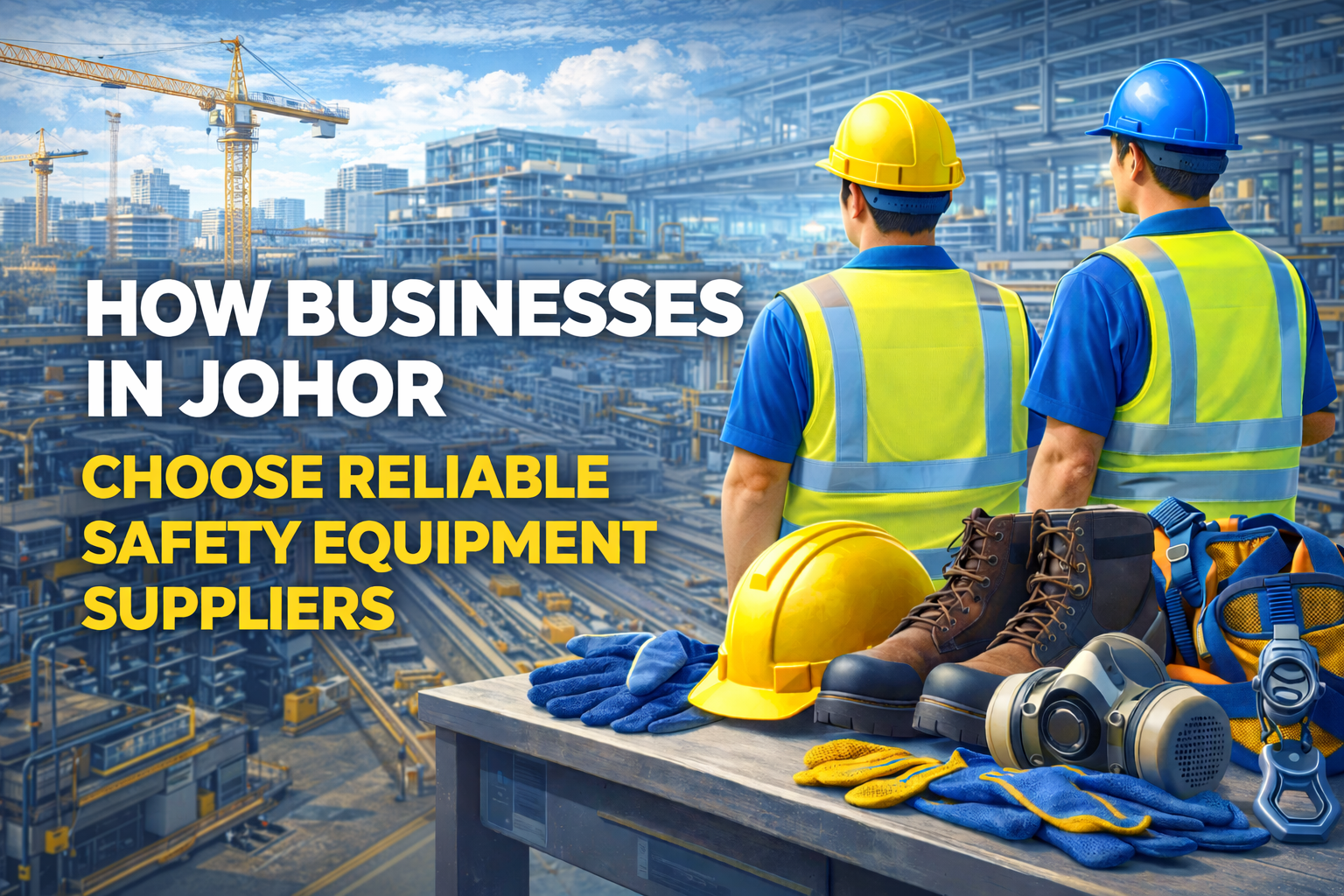
Workplace safety is a critical priority for businesses operating in industrial sectors such as manufacturing, construction, logistics, and engineering. In a fast-growing industrial region like Johor, companies must ensure that workers are protected from hazards through the use of reliable personal protective equipment (PPE).
To achieve this, organizations must partner with trusted safety equipment providers. Choosing the right supplier ensures businesses receive certified safety products, reliable supply, and professional support when implementing workplace safety programs.
Many companies in the region actively search for guidance on how businesses in Johor choose reliable safety equipment suppliers, especially when starting new projects or expanding operations.
This guide explains the key factors businesses should evaluate when selecting a safety equipment supplier and how the right supplier contributes to safer workplaces.
Why Choosing the Right Safety Equipment Supplier Matters
Industrial environments often involve dangerous conditions. Workers may be exposed to heavy machinery, falling objects, hazardous chemicals, and electrical risks.
Without appropriate protective equipment, these hazards can lead to serious workplace accidents. For this reason, companies must rely on suppliers that provide high-quality PPE designed to meet industrial safety standards.
Many organizations begin their search by reviewing guides such as how to choose the right PPE supplier in Johor, which explains how businesses can evaluate safety equipment providers based on reliability, product certification, and industry experience.
By partnering with an experienced supplier, companies can maintain consistent safety standards while ensuring workers receive the protection they need.
Key Factors Businesses Consider When Selecting a Safety Equipment Supplier

Selecting the right safety equipment supplier requires careful evaluation. Businesses should consider several factors before deciding which supplier to work with.
These factors ensure companies receive high-quality products that protect workers while maintaining compliance with safety regulations.
Product Quality and Certification
The most important factor when selecting a safety equipment supplier is product quality.
Reliable suppliers provide PPE that meets internationally recognized safety standards. These standards ensure the equipment can withstand demanding industrial environments and provide reliable protection for workers.
Certified PPE may comply with standards such as:
- ANSI safety standards
• EN European safety standards
• Malaysian occupational safety regulations
Companies that prioritize certified equipment reduce workplace risks and ensure their safety programs remain compliant.
Organizations responsible for enforcing workplace safety regulations in Malaysia, such as the Department of Occupational Safety and Health (DOSH), provide detailed guidelines on safety equipment requirements. Businesses can review these standards through the official DOSH website:
Following these guidelines helps companies build stronger safety programs.
Experience in Industrial Safety Equipment
Another important factor businesses consider when choosing a supplier is industry experience.
Suppliers with extensive experience working with factories, construction companies, and engineering firms understand the safety challenges faced by industrial workplaces.
For example, construction sites require different protective equipment compared to manufacturing facilities. Experienced suppliers can recommend appropriate PPE for each environment.
Many companies in the region rely on suppliers that provide industrial safety equipment in Johor, ensuring workers receive protective gear suitable for factory operations and industrial projects.
Choosing experienced suppliers helps businesses implement more effective workplace safety strategies.
Wide Range of PPE Products

Businesses prefer working with suppliers that offer a complete range of safety equipment. This allows organizations to source all protective gear from a single reliable partner.
A professional safety equipment supplier should provide products such as:
- safety helmets
• protective gloves
• safety footwear
• respirators
• fall protection equipment
• high visibility clothing
When suppliers offer a full range of PPE, companies can simplify procurement while maintaining consistent safety standards.
Many businesses researching PPE options also review resources such as safety shoes in Johor: a complete guide to choosing the right protective footwear, which helps organizations understand how footwear protects workers from workplace hazards.
Working with suppliers that offer comprehensive product selections ensures companies have access to all necessary protective equipment.
Reliable Supply and Bulk Availability
Industrial companies often require PPE in large quantities, especially when managing large workforces or major construction projects.
A reliable supplier must be able to provide consistent product availability and support bulk purchasing requirements.
For example, factories may need regular supplies of gloves, masks, or protective clothing that must be replaced frequently. Construction companies may require large quantities of helmets, safety harnesses, and protective footwear for project teams.
Businesses that rely on dependable suppliers often work with providers that specialize in PPE supplier services in Johor, ensuring that safety equipment is always available when needed.
Reliable supply helps companies maintain uninterrupted safety programs.
Local Supplier Advantages
Working with a local supplier offers several advantages for businesses operating in Johor.
Local safety equipment suppliers can provide faster deliveries, quicker support, and better understanding of regional industry requirements.
Construction companies and manufacturing plants often require immediate access to replacement PPE. A nearby supplier can respond quickly when equipment needs to be replaced or replenished.
Businesses exploring local suppliers frequently review resources such as where to get the best PPE in Johor, which highlights trusted providers serving industrial companies across the region.
Building strong relationships with local suppliers ensures businesses receive dependable support when implementing workplace safety programs.
Customer Support and Safety Advice
The best safety equipment suppliers do more than simply sell products.
Professional suppliers often provide guidance and recommendations to help companies select appropriate protective equipment for specific workplace hazards.
For example, suppliers may assist businesses with:
- selecting PPE for different job roles
• recommending equipment based on workplace risks
• explaining safety standards and regulations
This level of support helps organizations implement more effective safety programs while protecting workers from potential hazards.
Evaluating Supplier Reliability
Before selecting a safety equipment supplier, businesses should evaluate the reliability of the provider.
Key indicators of reliable suppliers include:
- positive reputation in the industry
• experience serving industrial companies
• consistent product availability
• certified safety equipment
Businesses should also review the supplier’s track record and customer feedback to ensure the company has a history of supporting industrial clients effectively.
Reliable suppliers build long-term partnerships with companies by consistently delivering high-quality products and professional service.
Common Mistakes Businesses Should Avoid
When choosing a safety equipment supplier, businesses should avoid several common mistakes.
One mistake is selecting suppliers based solely on price. While cost is important, the quality and reliability of safety equipment should always be the primary consideration.
Another mistake is purchasing non-certified equipment that may not meet safety standards. Using low-quality PPE can increase workplace risks and may violate safety regulations.
Companies should also avoid working with suppliers that lack experience in industrial environments.
By avoiding these mistakes, businesses can select suppliers that support safer workplaces and long-term operational success.
The Role of Safety Equipment in Workplace Protection
Personal protective equipment plays a vital role in protecting workers from workplace hazards.
In industries such as construction, manufacturing, and logistics, workers face daily risks that require proper protective gear.
When businesses partner with reliable safety equipment suppliers, they ensure workers receive equipment designed to prevent injuries and support safe working conditions.
High-quality PPE helps organizations reduce accidents, improve productivity, and maintain compliance with workplace safety standards.
Conclusion
Choosing reliable safety equipment suppliers is a crucial decision for businesses operating in Johor’s industrial sectors.
Companies must ensure that their suppliers provide certified protective equipment, consistent product availability, and professional guidance when selecting PPE.
By evaluating product quality, supplier experience, product range, and reliability, businesses can identify safety equipment providers that support their long-term workplace safety goals.
Partnering with trusted suppliers allows organizations to create safer working environments while protecting the workers who keep industries running.
Frequently Asked Questions
Why is choosing a reliable safety equipment supplier important?
Reliable suppliers provide certified PPE that protects workers and helps businesses comply with workplace safety regulations.
What products should safety equipment suppliers provide?
Suppliers should offer helmets, gloves, safety shoes, respirators, fall protection systems, and other protective equipment used in industrial environments.
How can businesses verify PPE quality?
Companies should ensure the equipment meets recognized safety standards such as ANSI, EN, or Malaysian occupational safety regulations.
Do local PPE suppliers offer advantages?
Yes. Local suppliers can provide faster delivery, better customer support, and improved understanding of regional industry needs.
What industries require safety equipment suppliers?
Industries such as construction, manufacturing, engineering, logistics, and marine operations all rely on PPE suppliers to maintain safe workplaces.
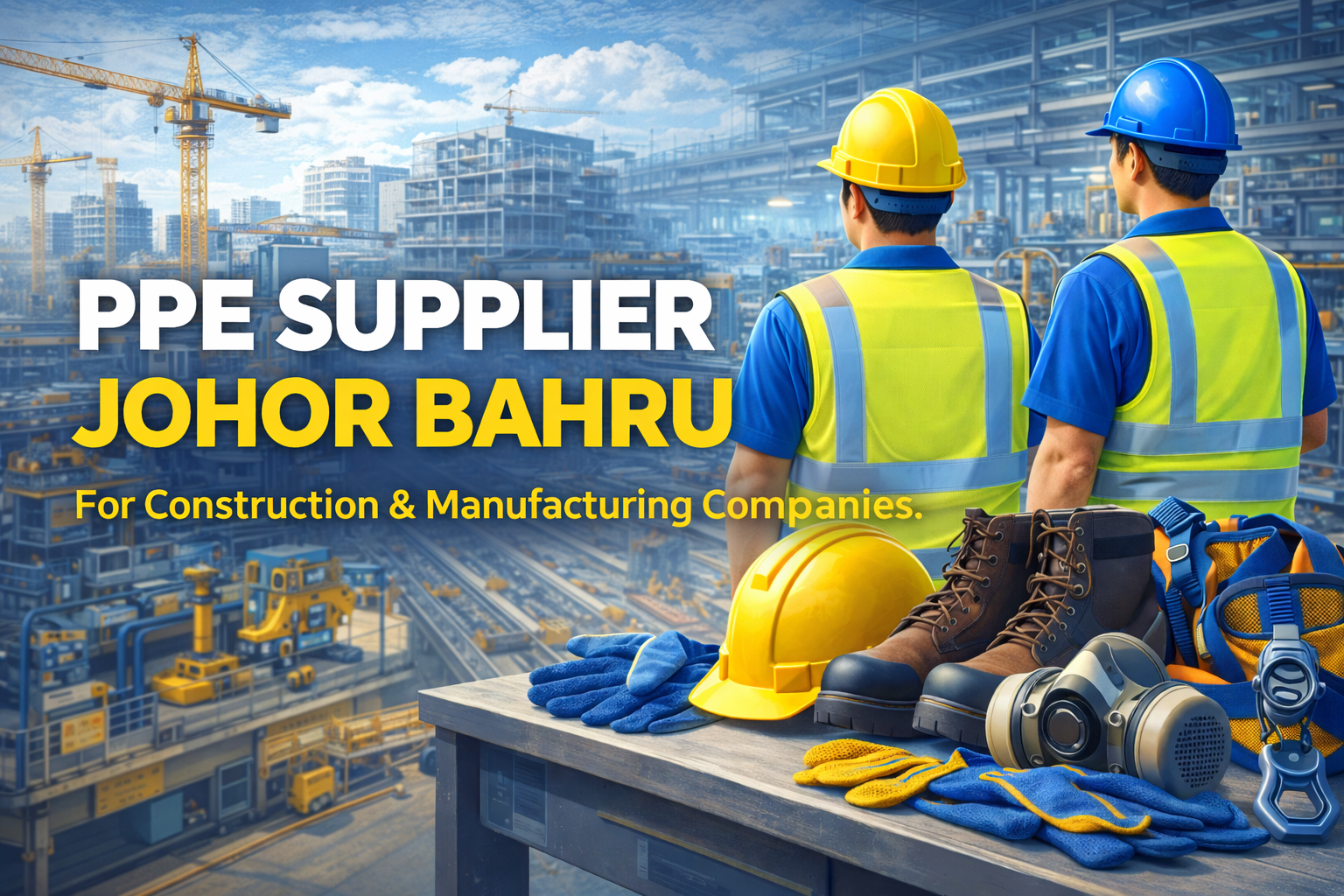
Industrial growth in Johor Bahru has increased significantly in recent years, especially in sectors such as construction, manufacturing, logistics, and engineering. With large infrastructure projects and industrial facilities operating across the region, workplace safety has become a top priority for businesses.
To protect workers and maintain compliance with safety regulations, companies must invest in high-quality personal protective equipment (PPE). Choosing a reliable PPE supplier Johor Bahru is therefore essential for construction contractors, factory managers, and industrial project teams.
A professional supplier does more than simply provide equipment. The right partner helps companies identify workplace hazards, select certified protective gear, and maintain consistent safety standards across their operations.
This guide explains what construction and manufacturing companies should look for when choosing a PPE supplier in Johor Bahru, the types of equipment they need, and how the right supplier can support workplace safety.
Why Construction and Manufacturing Companies Need Reliable PPE Suppliers
Construction sites and manufacturing plants are among the most hazardous workplaces. Workers often operate heavy machinery, handle dangerous materials, and work in physically demanding environments.
Without proper protective equipment, these environments can lead to serious injuries such as falls, impact injuries, respiratory problems, or electrical accidents.
A trusted PPE supplier Johor Bahru helps companies reduce these risks by providing certified safety equipment designed for industrial environments.
Many companies begin their search by learning how to choose the right PPE supplier in Johor, which highlights the key factors businesses should evaluate before selecting a safety equipment provider. Working with experienced suppliers ensures that companies receive appropriate equipment for their specific workplace hazards.
By partnering with a reliable supplier, organizations can build safer working environments while meeting Malaysian workplace safety requirements.
Essential PPE for Construction Projects

Construction sites present multiple safety risks, including falling objects, working at heights, electrical hazards, and heavy machinery operations. Because of this, workers must wear protective equipment designed specifically for construction environments.
A professional PPE supplier Johor Bahru should provide construction companies with a complete range of equipment that protects workers throughout the entire project lifecycle.
Some of the most important PPE items used on construction sites include helmets, safety footwear, gloves, fall protection systems, and high-visibility clothing.
Companies involved in large infrastructure projects often rely on suppliers that specialize in construction safety equipment in Johor, ensuring that contractors receive reliable protective gear for demanding job sites.
Providing workers with proper equipment reduces accident risks while improving overall safety performance on construction projects.
Safety Helmets and Head Protection

Head injuries are among the most serious risks on construction sites. Falling tools, construction materials, or structural components can cause severe injuries without proper protection.
High-quality safety helmets are designed to absorb impact and protect workers from head injuries. A reliable PPE supplier Johor Bahru should provide helmets that meet international safety standards and are suitable for different industrial environments.
Modern helmets often include adjustable suspension systems, ventilation for comfort, and compatibility with other PPE such as face shields or hearing protection.
Selecting certified helmets ensures workers remain protected while performing physically demanding tasks in construction environments.
Safety Footwear for Industrial Workers

Foot injuries are another common workplace risk in both construction and manufacturing industries. Workers frequently operate in environments where heavy objects, sharp materials, or slippery surfaces may cause injuries.
For this reason, protective footwear is essential. Steel-toe or composite-toe safety boots help protect workers from crushing injuries while providing stability and grip on uneven surfaces.
Many industrial companies look for detailed guidance when selecting footwear, which is why resources such as safety shoes in Johor: a complete guide to choosing the right protective footwear help businesses understand how different footwear types protect workers in hazardous environments.
A reliable PPE supplier Johor Bahru will offer multiple safety shoe options suitable for construction sites, factories, and warehouses.
Gloves and Hand Protection
Workers in construction and manufacturing industries frequently handle tools, metal components, and building materials that may cause cuts or abrasions.
Protective gloves are therefore an essential part of any workplace safety program.
Different work environments require different glove types. For example:
- Cut-resistant gloves for metal work
• Heat-resistant gloves for welding
• Chemical-resistant gloves for industrial processes
An experienced PPE supplier Johor Bahru can help companies choose gloves that match their specific operational risks.
Proper hand protection improves worker safety and reduces the likelihood of injuries that could disrupt productivity.
Respiratory Protection for Manufacturing Facilities
Manufacturing environments often expose workers to dust, fumes, chemicals, or airborne particles that may affect respiratory health.
Respiratory protection equipment helps prevent long-term health problems by filtering harmful substances from the air workers breathe.
Common respiratory PPE includes:
- Disposable masks
• Half-face respirators
• Full-face respirators
Companies sourcing these products often rely on trusted suppliers that provide industrial safety equipment in Johor, ensuring that workers receive certified respiratory protection designed for factory environments.
According to the Department of Occupational Safety and Health Malaysia (DOSH), employers are responsible for ensuring workers are provided with suitable protective equipment for hazardous environments. More information about workplace safety regulations can be found at:
Following these guidelines helps companies maintain compliance while protecting employee health.
Fall Protection Equipment for Elevated Work
Construction projects frequently require workers to operate at elevated heights. Without proper fall protection equipment, these situations can become extremely dangerous.
A professional PPE supplier Johor Bahru should offer fall protection systems designed to reduce the risk of falls from height.
These systems may include:
- Safety harnesses
• Shock-absorbing lanyards
• Anchor points
• Lifeline systems
Companies working on infrastructure projects or large construction developments should prioritize fall protection equipment to ensure workers remain secure while working at elevated levels.
Importance of Certified Safety Equipment
When choosing a PPE supplier Johor Bahru, businesses should ensure that the supplier provides certified products that meet recognized safety standards.
Certified PPE products are designed to withstand demanding industrial conditions and provide reliable protection for workers.
Reputable suppliers ensure their products comply with safety standards such as ANSI, EN, or Malaysian workplace safety regulations.
Companies that invest in certified safety equipment not only protect workers but also reduce liability risks and improve workplace compliance.
Benefits of Working with a Local PPE Supplier in Johor Bahru
Local suppliers offer several advantages compared to distant providers.
A nearby PPE supplier Johor Bahru can deliver equipment faster, provide better customer support, and respond quickly to urgent supply needs.
Construction projects and industrial facilities often require PPE replacements on short notice. Having access to a reliable local supplier ensures businesses can maintain consistent safety standards without operational delays.
Businesses looking for trusted safety equipment providers in the region often explore where to get the best PPE in Johor, which explains how companies can identify reliable suppliers for industrial workplaces.
Local partnerships also allow companies to build long-term relationships with suppliers who understand their operational needs.
Choosing the Right PPE Supplier for Your Business
When selecting a PPE supplier Johor Bahru, companies should consider several key factors:
- Product quality and certification
• Industry experience
• Product availability and bulk supply capability
• Customer support and technical advice
The right supplier should be able to provide guidance on PPE selection while ensuring businesses receive reliable protective equipment for their workforce.
By evaluating these factors carefully, companies can choose a supplier that supports their long-term safety goals.
Conclusion

Construction and manufacturing companies in Johor Bahru operate in environments where worker safety must always come first. Reliable personal protective equipment plays a crucial role in protecting workers from workplace hazards.
Choosing a trusted PPE supplier Johor Bahru ensures companies receive certified safety equipment, expert guidance, and consistent supply for their operations.
From helmets and safety footwear to gloves, respirators, and fall protection systems, proper PPE helps create safer workplaces and supports compliance with Malaysian safety regulations.
By partnering with experienced safety equipment suppliers, businesses can protect their workforce while maintaining efficient and responsible operations.
Frequently Asked Questions
What does a PPE supplier in Johor Bahru provide?
A PPE supplier provides protective equipment such as helmets, gloves, safety shoes, respirators, and other safety gear used in construction and industrial workplaces.
Why do construction companies need PPE suppliers?
Construction companies rely on PPE suppliers to provide certified safety equipment that protects workers from hazards such as falling objects, machinery, and electrical risks.
What PPE is required for construction workers?
Common PPE for construction workers includes helmets, safety shoes, gloves, high-visibility clothing, and fall protection equipment.
How do businesses choose a PPE supplier in Johor Bahru?
Companies should evaluate supplier experience, product certification, equipment availability, and customer support before selecting a PPE provider.
Are PPE products required by Malaysian safety regulations?
Yes. Malaysian workplace safety laws require employers to provide appropriate PPE to workers exposed to workplace hazards
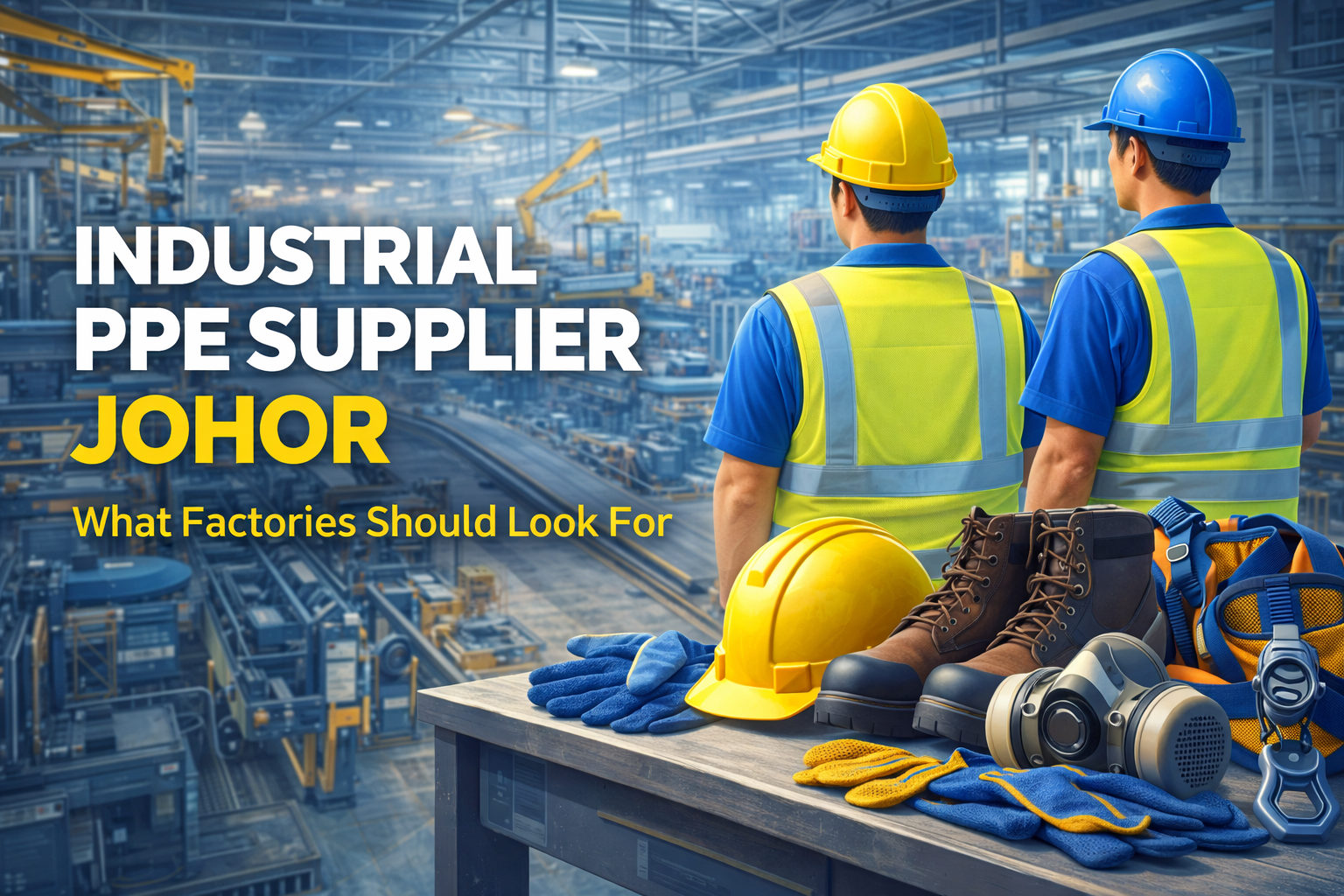
Industrial facilities in Johor operate in environments where workplace safety is critical. From manufacturing plants and engineering workshops to construction sites and warehouses, workers face various risks every day. These risks include heavy machinery, sharp materials, electrical hazards, and airborne particles. Because of this, companies must rely on high-quality personal protective equipment (PPE) to ensure their teams remain safe.
Choosing the right industrial PPE supplier Johor is one of the most important decisions a company can make when building a workplace safety program. A reliable supplier does more than sell equipment - they provide guidance, certified safety products, and long-term support to help businesses maintain safe working environments.
In this guide, we will explain what factories and industrial businesses should look for when selecting an industrial PPE supplier in Johor, the types of equipment they should provide, and how to ensure your workplace remains compliant with Malaysian safety regulations.
Why Choosing the Right Industrial PPE Supplier Matters
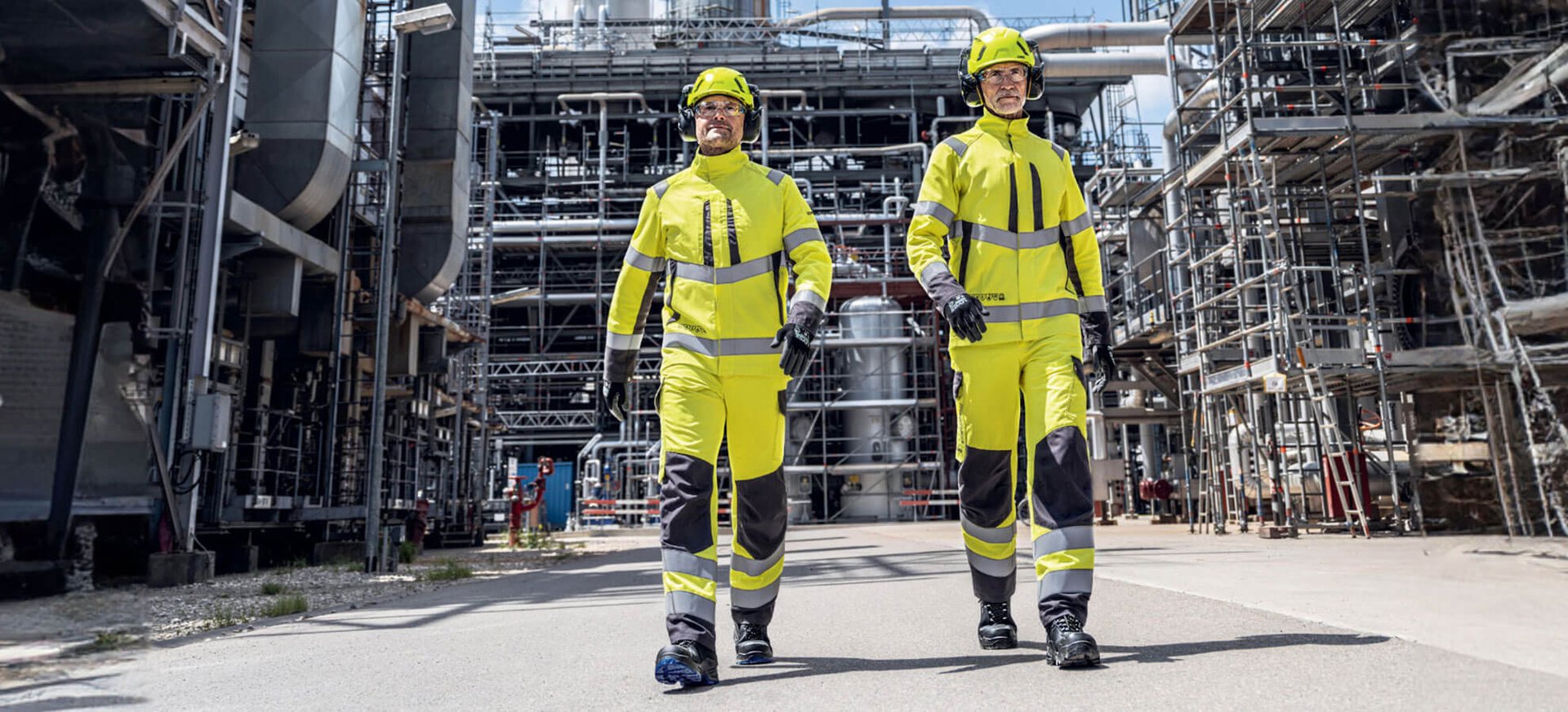
Factories and industrial facilities require consistent access to certified safety equipment. Without reliable supply, businesses may struggle to maintain safety standards, which could lead to workplace accidents, production delays, or regulatory penalties.
A professional industrial PPE supplier Johor understands the needs of different industries and can recommend equipment tailored to specific workplace hazards. For example, construction workers require different protective equipment than workers in manufacturing plants or marine environments.
Many businesses begin their search by researching how to choose the right PPE supplier in Johor, which outlines the key factors companies should evaluate before partnering with a supplier. Understanding supplier reliability, product certification, and service quality helps organizations make better safety decisions.
By working with a trusted PPE provider, companies gain access to reliable equipment, safety advice, and consistent product availability.
Essential PPE Products an Industrial Supplier Should Offer
When evaluating an industrial PPE supplier Johor, companies should ensure the supplier offers a complete range of safety equipment. Industrial environments require multiple layers of protection, and a supplier should provide products that address various workplace risks.
Below are some of the most important categories of PPE that factories and industrial companies should expect from a trusted supplier.
Safety Helmets

Safety helmets are one of the most essential protective items on industrial sites. They protect workers from falling objects, accidental impacts, and structural hazards.
High-quality helmets typically include impact-resistant shells, adjustable suspension systems, and ventilation for comfort during long working hours. Workers operating near machinery, construction structures, or heavy equipment should always wear helmets that meet recognized safety standards.
Industrial companies sourcing helmets often work with suppliers that provide a wide range of industrial safety equipment in Johor, ensuring they receive certified protective gear suitable for factory and construction environments.
Safety Shoes and Protective Footwear
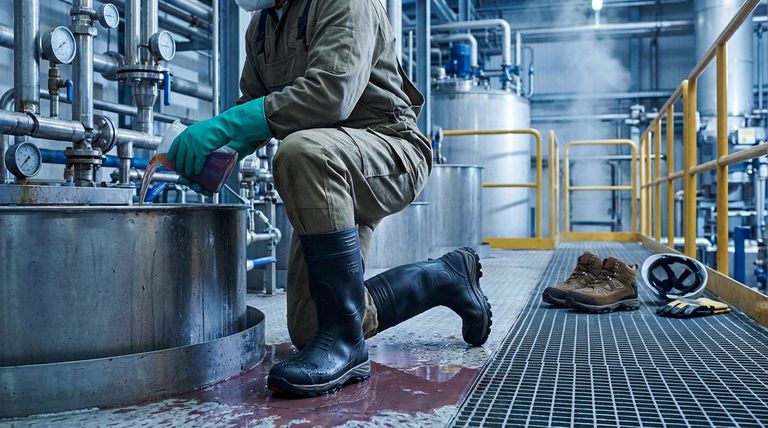
Foot injuries are common in industrial workplaces due to falling materials, sharp objects, and slippery surfaces. Steel-toe or composite-toe safety footwear is essential for protecting workers from these hazards.
A reliable industrial PPE supplier Johor should offer safety footwear designed for different environments, including anti-slip soles, electrical hazard protection, and durable construction materials.
Businesses looking to choose the right footwear often refer to guides such as safety shoes in Johor: a complete guide to choosing the right protective footwear, which explains how to select footwear based on workplace risks and industry requirements.
Choosing the correct safety shoes helps prevent injuries while improving worker comfort and productivity.
Safety Gloves
Workers handling tools, equipment, or construction materials require protective gloves to prevent cuts, abrasions, or chemical exposure.
Different industries require different types of gloves. For example:
- Cut-resistant gloves for metal fabrication
- Chemical-resistant gloves for laboratories
- Heat-resistant gloves for welding operations
An experienced industrial PPE supplier Johor will help businesses choose gloves suitable for specific job roles and workplace hazards.
Respiratory Protection Equipment

Industrial environments often expose workers to dust, fumes, and airborne particles that may affect respiratory health. Proper respiratory protection helps reduce long-term health risks for workers operating in hazardous conditions.
Respiratory PPE includes:
- Disposable masks
- Half-face respirators
- Full-face respirators
- Air-purifying respirators
Suppliers should ensure these products meet relevant safety standards and are suitable for the industries they serve.
Organizations such as the Department of Occupational Safety and Health Malaysia (DOSH) provide detailed guidance on workplace safety equipment and PPE requirements. Companies can review these standards at the official DOSH website:
Following these safety guidelines ensures workers receive proper respiratory protection.
Fall Protection Equipment
Factories and construction sites often require workers to operate at elevated heights. Without proper fall protection systems, these environments can become extremely dangerous.
A professional industrial PPE supplier Johor should provide fall protection systems such as:
- Safety harnesses
- Lanyards
- Anchor systems
- Lifelines
Companies involved in construction or industrial maintenance should prioritize fall protection equipment to reduce workplace accidents.
This type of equipment is particularly important for industries discussed in construction safety equipment in Johor, where working at heights is common on construction sites and industrial projects.
Product Certification and Safety Standards
Another critical factor when choosing an industrial PPE supplier Johor is product certification. Safety equipment must meet recognized standards to ensure reliability and worker protection.
Certified PPE products often comply with international standards such as:
- ANSI standards
- EN safety standards
- Malaysian safety regulations
Reliable suppliers ensure their products meet these requirements before distributing them to businesses.
Using certified equipment helps companies comply with workplace safety laws while reducing the risk of equipment failure.
Industry Experience and Expertise
Experience is another important factor when selecting an industrial PPE supplier Johor. Suppliers who work with multiple industries understand the specific safety challenges faced by factories, construction companies, and engineering firms.
For example, manufacturing facilities may require hearing protection equipment due to high noise levels, while chemical plants may require specialized protective clothing.
Businesses looking for experienced safety equipment providers often explore trusted suppliers highlighted in where to get the best PPE in Johor, which explains how local safety suppliers support industrial workplaces across the region.
Working with experienced suppliers ensures companies receive expert guidance when selecting protective equipment.
Reliable Supply and Bulk Availability
Factories and industrial facilities require PPE on a regular basis. Gloves, masks, and other consumable safety equipment must be replaced frequently to maintain safety standards.
A reliable industrial PPE supplier Johor should be able to provide bulk supply for businesses with large workforces. Consistent product availability ensures companies can maintain uninterrupted safety programs.
Bulk purchasing options are especially helpful for factories and contractors managing large teams, as they allow businesses to reduce costs while maintaining reliable access to essential safety gear.
Customer Support and Safety Advice
Professional PPE suppliers do more than sell equipment. They also provide valuable safety advice to help businesses choose the right protective gear.
This may include:
- recommending appropriate PPE for specific hazards
- helping companies understand safety regulations
- assisting with equipment selection for new projects
Working with knowledgeable suppliers helps businesses build effective workplace safety programs.
Common Mistakes When Choosing a PPE Supplier
When selecting an industrial PPE supplier Johor, companies should avoid common mistakes that may compromise workplace safety.
Some of the most common issues include:
- Choosing suppliers based only on price rather than product quality.
- Purchasing non-certified equipment that may not meet safety standards.
- Working with suppliers that lack industry experience.
- Failing to evaluate product durability and reliability.
A strong supplier relationship should focus on safety, quality, and long-term support rather than simply offering the lowest prices.
How the Right Supplier Improves Workplace Safety
Choosing the right industrial PPE supplier Johor can significantly improve workplace safety outcomes.
Reliable suppliers help businesses maintain consistent access to certified safety equipment, provide expert guidance on PPE selection, and support organizations in complying with safety regulations.
When workers feel protected and confident in their equipment, productivity and workplace morale often improve as well.

Conclusion
Factories and industrial companies in Johor must prioritize worker safety to maintain efficient and responsible operations. Partnering with a reliable industrial PPE supplier Johor ensures businesses receive certified protective equipment that meets workplace safety requirements.
From safety helmets and protective footwear to respiratory protection and fall protection systems, proper PPE plays a crucial role in protecting workers from hazards in industrial environments.
By selecting experienced suppliers, verifying product certifications, and investing in high-quality safety equipment, companies can create safer workplaces while ensuring compliance with Malaysian safety standards.
Choosing the right supplier is not just a purchasing decision it is a commitment to protecting the people who keep industries running every day.
Frequently Asked Questions
What does an industrial PPE supplier do?
An industrial PPE supplier provides personal protective equipment such as helmets, safety shoes, gloves, respirators, and other safety gear used in industrial workplaces.
Why do factories need reliable PPE suppliers?
Factories require consistent access to safety equipment to protect workers and comply with workplace safety regulations.
What equipment should an industrial PPE supplier provide?
Suppliers should offer a full range of PPE including helmets, gloves, footwear, respiratory protection, fall protection equipment, and high-visibility clothing.
How do companies choose a PPE supplier in Johor?
Businesses should evaluate product certification, supplier experience, product range, customer support, and reliability when selecting a PPE supplier.
Are PPE products required by Malaysian safety regulations?
Yes. Malaysian workplace safety regulations require employers to provide appropriate PPE to workers in hazardous environments.
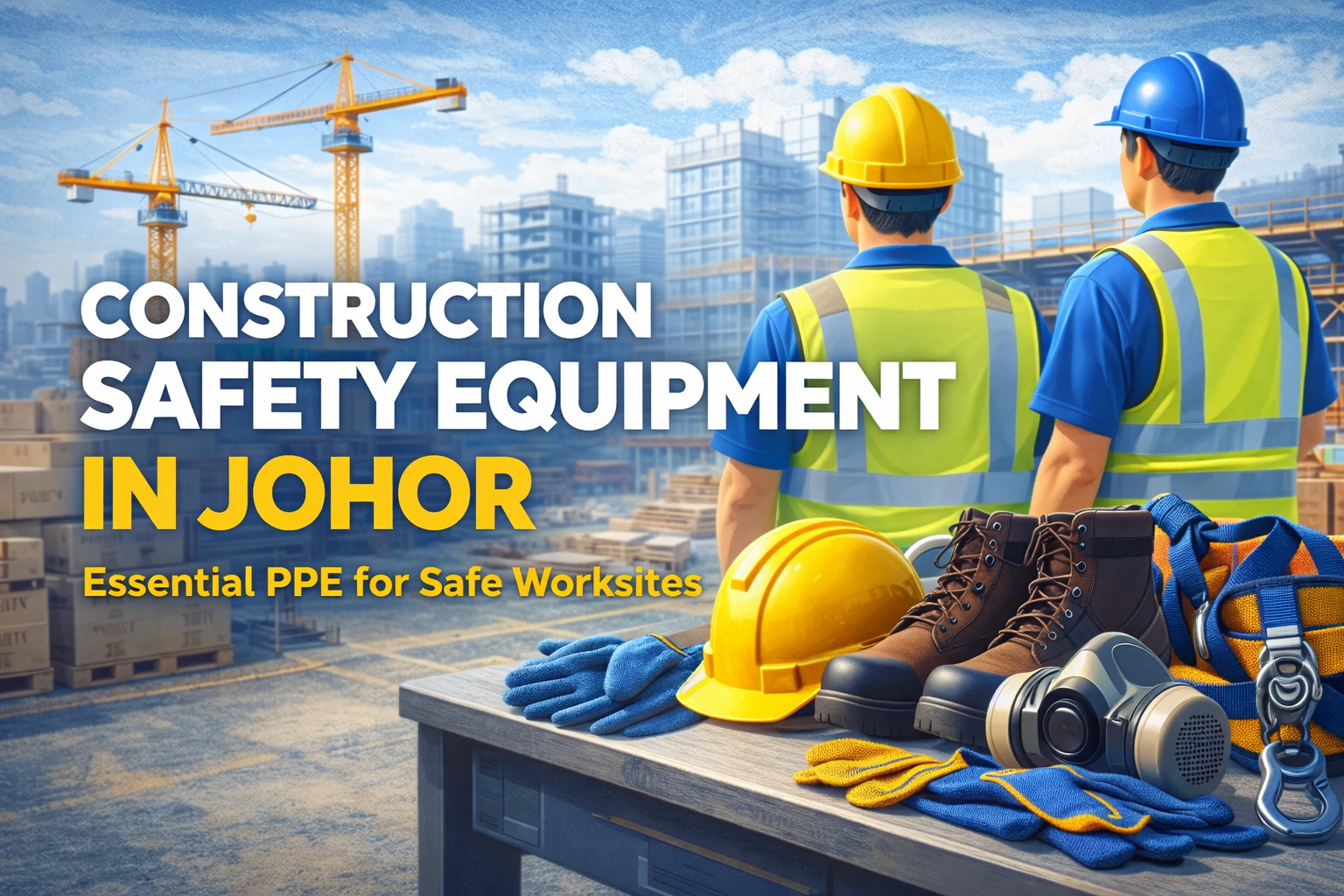
Construction projects play a vital role in Johor’s economic growth. From infrastructure developments to industrial facilities and commercial buildings, construction activities continue to expand across the region. However, construction sites are also among the most hazardous workplaces, which is why using the right construction safety equipment in Johor is essential for protecting workers and maintaining compliance with safety standards.
Personal protective equipment (PPE) such as helmets, gloves, safety footwear, and respiratory protection helps reduce workplace injuries and improves overall site safety. Companies that invest in proper PPE also demonstrate their commitment to responsible safety management and worker welfare.
Why Construction Safety Equipment Matters

Construction environments expose workers to multiple hazards, including falling objects, heavy machinery, electrical risks, and airborne dust. Without proper protection, these hazards can lead to serious injuries, operational delays, and legal complications for businesses.
Using reliable construction safety equipment in Johor helps companies prevent accidents while also ensuring compliance with Malaysian occupational safety regulations. Organizations such as the Department of Occupational Safety and Health Malaysia (DOSH) provide detailed workplace safety guidelines that companies must follow. These safety standards can be explored on the official DOSH website
Companies that adopt proper PPE practices typically experience fewer accidents, better productivity, and improved employee confidence.
Essential Construction Safety Equipment Every Worksite Needs
Construction sites require several types of protective equipment to address different risks. Below are the most important categories of construction safety equipment in Johor that every worksite should provide for its workers.
Safety Helmets

Safety helmets are one of the most essential forms of protection on construction sites. These helmets protect workers from falling tools, debris, and accidental head impacts when working near machinery or elevated structures.
High-quality helmets typically include impact-resistant shells and adjustable harness systems for comfort and protection. Companies sourcing helmets and other protective gear often rely on experienced local suppliers. Businesses looking for dependable PPE providers can explore trusted options such as Haisar’s commitment to workplace safety, which highlights how reliable suppliers support construction companies with certified equipment:
https://www.haisar.com/blog/top-ppe-supplier-in-johor-haisars-commitment-to-workplace-safety
Proper helmet usage significantly reduces head injuries and improves overall job site safety.
Safety Shoes
Construction sites contain sharp materials, heavy equipment, and slippery surfaces. Without appropriate footwear, workers face serious risks such as crushed toes, puncture injuries, or slips.
Steel-toe safety shoes are a critical part of construction safety equipment in Johor because they provide impact protection and better grip on unstable surfaces. Many safety shoes also include anti-slip soles, electrical hazard resistance, and comfortable cushioning for workers who spend long hours on their feet.
Selecting the right footwear is important for different work environments, which is why many companies consult guides like The Ultimate Guide to Safety Shoes in Johor to understand which safety shoes are best suited for construction tasks
Proper safety footwear not only protects workers but also improves comfort and stability during demanding tasks.
High Visibility Clothing
Construction workers frequently operate near heavy machinery, cranes, and moving vehicles. In these environments, visibility becomes extremely important for preventing accidents.
High-visibility safety clothing such as reflective vests and jackets helps ensure workers remain visible during both daytime and low-light conditions. Reflective strips allow machinery operators to quickly spot workers from a distance, reducing collision risks.
High-visibility clothing is widely used across road construction projects, warehouse operations, and industrial developments throughout Johor.
Safety Gloves

Workers regularly handle construction materials, tools, and equipment that may cause cuts, abrasions, or chemical exposure. Safety gloves provide an additional layer of protection for workers performing these tasks.
Gloves designed for construction environments can include cut-resistant materials, reinforced palm protection, and chemical-resistant coatings. Providing the right gloves is an important step in building a comprehensive PPE program. Many workplaces also follow recommendations discussed in Top 10 Essential PPE Items Every Malaysian Workplace Must Have, which highlights how protective equipment such as gloves and helmets form the foundation of workplace safety programs
Choosing the correct type of gloves ensures workers remain protected while maintaining flexibility and grip during tasks.
Respirators and Masks

Construction work often generates airborne particles from materials such as cement, wood, and metal. Prolonged exposure to these particles can affect workers’ respiratory health.
Respirators and protective masks are essential construction safety equipment in Johor because they help filter dust, fumes, and harmful airborne substances. Workers involved in demolition, painting, or chemical handling tasks should always wear appropriate respiratory protection.
Using certified respirators not only protects workers but also helps companies comply with occupational safety standards.
Fall Protection Equipment
Working at heights is one of the most dangerous aspects of construction. Employees performing tasks on scaffolding, ladders, or elevated platforms must use proper fall protection systems.
Fall protection equipment typically includes safety harnesses, lanyards, anchor points, and guardrails. These systems prevent workers from falling or reduce the severity of injuries if a fall occurs.
In Malaysia, safety practices for construction projects are also supported by the Construction Industry Development Board (CIDB), which provides guidelines and safety training programs for contractors. More information about construction safety standards can be found at:
Using proper fall protection is a critical component of effective construction safety equipment in Johor.
How to Choose the Right Construction PPE Supplier in Johor
Choosing a reliable supplier is just as important as selecting the right safety equipment. A trusted supplier ensures PPE products meet safety standards and remain durable under demanding construction conditions.
When selecting suppliers of construction safety equipment in Johor, companies should evaluate several factors including product certification, supplier experience, product range, and customer support. Businesses that are unsure where to start often refer to practical resources like How to Choose the Right PPE Supplier in Johor, which explains how companies can evaluate suppliers based on safety standards, reliability, and service quality
Working with experienced suppliers ensures that safety equipment performs reliably when workers need it most.
Common Safety Risks in Construction Sites
Construction projects involve numerous hazards that must be managed carefully to protect workers.
Some of the most common risks include falling objects from elevated structures, slips caused by unstable surfaces, electrical hazards from exposed wiring, and respiratory issues caused by dust or chemical exposure.
Providing proper construction safety equipment in Johor significantly reduces these risks while improving workplace safety culture.
Malaysian Safety Standards for Construction PPE
Malaysia maintains strict safety regulations for construction environments. Employers must provide appropriate PPE for workers and ensure that safety procedures are followed at all times.
Companies are responsible for conducting safety training, performing hazard assessments, and regularly inspecting safety equipment. By following these guidelines and investing in reliable construction safety equipment in Johor, businesses can protect their workers while maintaining regulatory compliance.
Where to Buy Reliable Construction Safety Equipment in Johor
Businesses searching for reliable PPE should look for suppliers with strong industry experience and certified safety products.
Trusted PPE suppliers offer a wide range of protective equipment including helmets, safety shoes, gloves, respirators, and fall protection systems. They also provide guidance on selecting equipment that meets construction site requirements.
Partnering with reliable suppliers ensures companies can access high-quality construction safety equipment in Johor whenever their projects require it.
Conclusion
Construction safety should always remain a top priority for companies operating in Johor. With the proper construction safety equipment in Johor, businesses can reduce workplace accidents, improve productivity, and maintain compliance with safety regulations.
Essential protective equipment such as helmets, safety footwear, gloves, respiratory protection, and fall protection systems play a crucial role in protecting workers from construction hazards.
By investing in high-quality PPE and working with reliable suppliers, construction companies can create safer and more efficient worksites across Johor.
Frequently Asked Questions
What is construction safety equipment?
Construction safety equipment refers to personal protective equipment (PPE) used to protect workers from hazards on construction sites. Common examples include safety helmets, safety shoes, gloves, respirators, and fall protection harnesses.
Why is construction safety equipment important?
Construction sites contain hazards such as falling objects, heavy machinery, dust, and electrical risks. Using proper construction safety equipment helps prevent injuries, protects workers, and ensures companies comply with workplace safety regulations.
What are the most important PPE items for construction workers?
The most essential PPE items for construction workers include safety helmets, steel-toe safety shoes, high-visibility vests, safety gloves, respiratory protection masks, and fall protection equipment such as harnesses.
Are safety helmets mandatory on construction sites in Malaysia?
Yes. Safety helmets are mandatory in most construction environments in Malaysia. Employers are required to provide appropriate protective equipment under workplace safety regulations enforced by the Department of Occupational Safety and Health (DOSH).
Where can businesses buy construction safety equipment in Johor?
Businesses can purchase construction safety equipment in Johor from trusted PPE suppliers that provide certified safety gear suitable for construction and industrial environments.
How often should construction PPE be replaced?
The replacement schedule depends on the type of equipment. Helmets should typically be replaced every few years or after impact, while gloves and masks may need more frequent replacement depending on usage and exposure.
What safety standards apply to construction PPE in Malaysia?
Construction PPE used in Malaysia must comply with safety guidelines issued by organizations such as DOSH and CIDB, which regulate workplace safety standards and protective equipment requirements.
What should companies consider when choosing construction PPE?
Companies should consider product certification, durability, comfort, compliance with safety standards, and supplier reliability when selecting construction PPE.
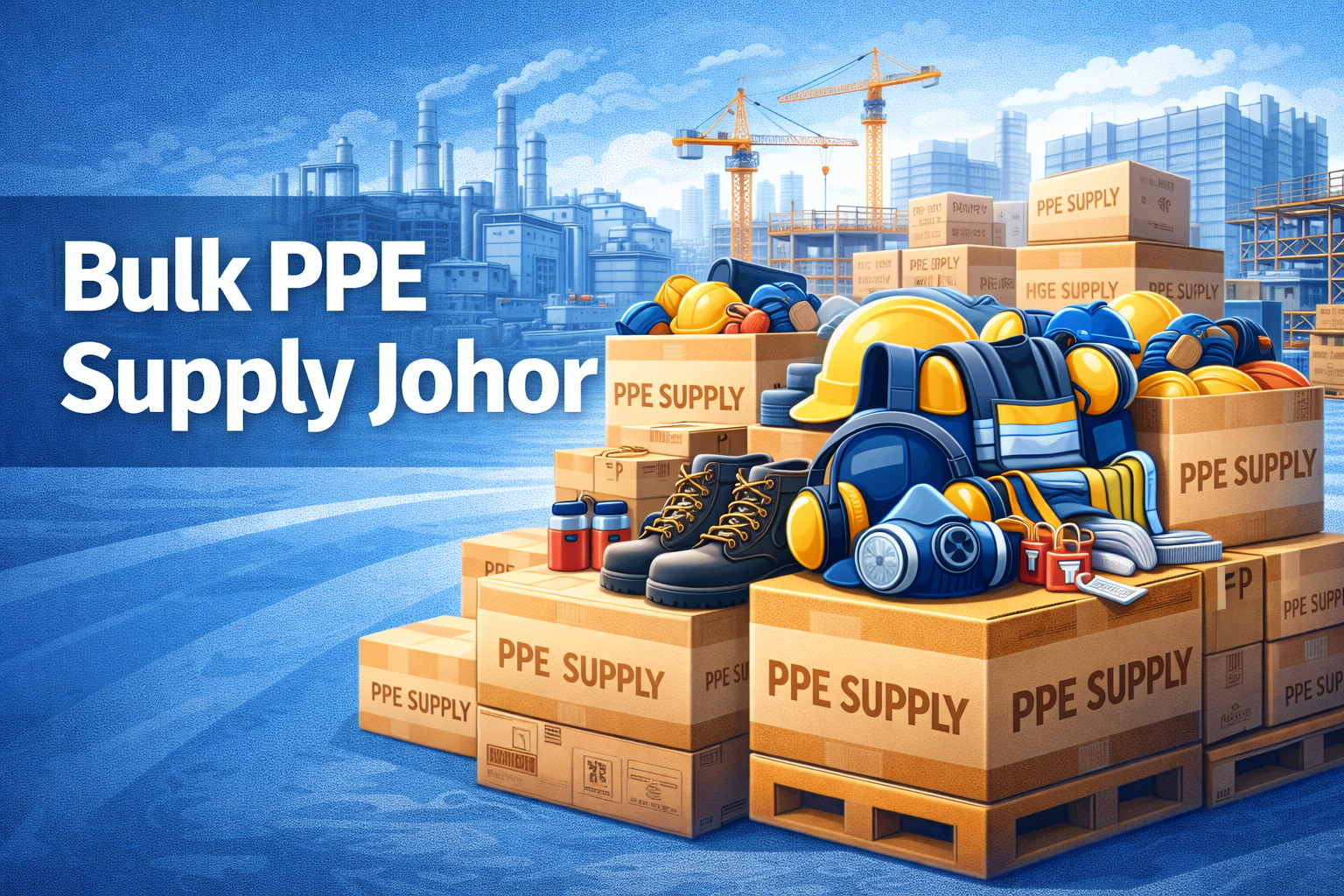
Johor’s industrial and construction sectors continue to expand across Senai, Pasir Gudang, Kulai, and Johor Bahru. As operations scale, so does the need for consistent protective equipment. Reliable bulk PPE supply Johor businesses can depend on is essential for maintaining safety compliance, reducing procurement delays, and controlling operational costs.
Whether you manage a factory, oversee a construction site, or handle procurement for multiple departments, understanding how bulk PPE supply in Johor works can significantly improve operational efficiency and workplace safety.
Why Bulk PPE Supply Johor Businesses Need Is Increasing
Workplace safety regulations in Malaysia require employers to provide adequate protection under the Occupational Safety and Health Act (OSHA 1994). Official guidance from the Department of Occupational Safety and Health (DOSH Malaysia) is available at DOSH reinforcing the importance of certified personal protective equipment.
As companies grow, purchasing PPE in small quantities becomes inefficient. That is why bulk safety equipment Johor procurement strategies are becoming standard practice across manufacturing plants and construction projects.
Bulk PPE supply Johor companies rely on helps reduce per-unit costs, prevent stock shortages, simplify procurement management, and ensure compliance across all work sites.
What Types of PPE Are Commonly Ordered in Bulk?
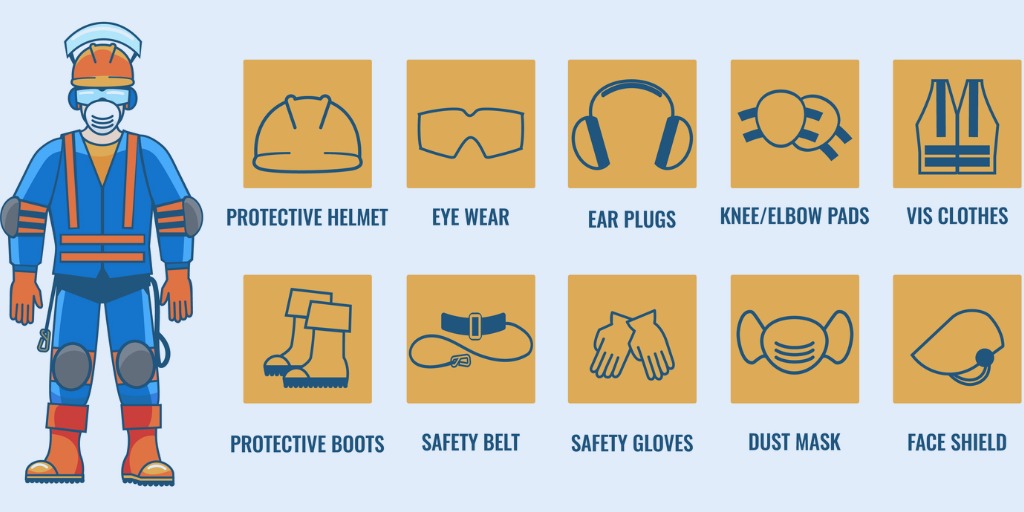
Businesses ordering bulk PPE supply Johor typically secure recurring inventory for high-usage items.
Safety Helmets
Construction and industrial projects require continuous helmet replacement due to wear, damage, and compliance requirements. Many contractors first evaluate suppliers through resources like https://www.haisar.com/blog/how-to-choose-the-right-ppe-supplier-in-johor-a-complete-buyer-s-guide to ensure certification, stock consistency, and long-term supply reliability before committing to bulk agreements.
Safety Shoes
Factory PPE Johor facilities depend on durable, compliant footwear. Steel-toe and slip-resistant safety shoes are commonly ordered in bulk to maintain uniform safety standards across departments. Businesses comparing footwear standards often refer to detailed guides such as https://www.haisar.com/blog/the-ultimate-guide-to-safety-shoes-in-johor to better understand material requirements and compliance expectations.
Industrial Gloves
Different industries require different glove types cut-resistant, heat-resistant, or chemical-resistant. Bulk PPE supply Johor contracts often include task-specific gloves to ensure each department receives appropriate protection.
High-Visibility Apparel
Construction PPE Johor contractors rely on includes reflective vests for road projects and infrastructure developments. Bulk ordering ensures consistent visibility standards across all workers.
Respiratory Protection
Manufacturing environments dealing with dust, fumes, or chemical exposure require steady respirator and mask inventory. Businesses looking to understand broader industrial protection systems beyond basic PPE can explore Haisar Blog to gain a deeper perspective on integrated safety solutions.
Who Should Consider Bulk PPE Supply Johor?
Bulk procurement is ideal for companies operating at scale.
Manufacturing plants in Senai and Pasir Gudang frequently establish bulk PPE supply Johor agreements to support shift-based production environments. Construction companies managing multi-phase developments rely on steady stock of helmets, gloves, and footwear to avoid project disruption. Those managing building sites may also benefit from reviewing Haisar Blog to align procurement strategies with site-specific risk factors.
Warehouse and logistics operators also depend on bulk safety equipment Johor sourcing to maintain safe material handling environments.
Cost Advantages of Bulk PPE Supply Johor Procurement
One of the strongest advantages of bulk PPE supply Johor agreements is cost efficiency. Purchasing in large volumes allows businesses to negotiate better pricing structures while reducing repeated shipping costs.
More importantly, bulk procurement prevents emergency purchases at inflated prices. Instead of reacting to shortages, companies can shift toward proactive inventory planning.
However, cost should never compromise certification. PPE must comply with recognized safety standards to ensure worker protection and legal compliance.
Compliance & Certification Requirements
Employers in Malaysia are legally obligated to provide certified safety equipment. Failure to comply can lead to fines, project delays, or regulatory action. Construction-related projects may also fall under CIDB Malaysia guidelines, which are accessible at CIDB.GOV.
Bulk PPE supply Johor contracts should always prioritize certified products and reliable suppliers to protect both workers and company reputation.
How to Choose the Right Bulk PPE Supply Johor Partner
Selecting a supplier requires more than comparing price lists.
First, verify product certification and compliance standards. Second, evaluate inventory stability to ensure consistent stock availability. Third, confirm the supplier offers a wide product range from helmets and footwear to fall protection and respiratory systems under one centralized inventory.
Businesses operating in Kulai and nearby industrial zones often prefer working with local suppliers to improve delivery speed and communication efficiency. Local support options can be explored through https://www.haisar.com/safety-equipment-supplier-kulai, which outlines available supply solutions within the region.
Companies reviewing full product availability and industrial coverage may also visit Haisar Supply to better understand complete safety equipment offerings across Johor.
Common Mistakes in Bulk PPE Supply Johor Procurement
Even experienced procurement teams sometimes make avoidable errors.
Some prioritize price over certification, risking compliance failures. Others fail to track usage rates accurately, leading to either stock shortages or over-ordering. Inconsistent product models across departments can also create confusion and reduce standardization.
Bulk safety equipment Johor planning requires structured forecasting and supplier consistency to maintain operational stability.
Inventory Planning for Bulk PPE Supply Johor Businesses
Smart organizations estimate PPE consumption based on operational intensity. For example, gloves may require weekly replenishment, while safety shoes may require quarterly replacement depending on working conditions.
Effective bulk PPE supply Johor strategies include scheduled restocking cycles, emergency buffer stock, and long-term supplier agreements. This approach prevents sudden shortages that could disrupt factory production or construction timelines.
Why Local Bulk PPE Supply Johor Matters
Johor’s industrial environment moves quickly. Delays in protective equipment delivery can halt operations and increase risk exposure.
Working with a local safety equipment supplier Johor businesses trust improves response time, communication clarity, and logistical efficiency. Long-term supplier partnerships also provide better understanding of site-specific safety requirements.
Bulk PPE supply Johor agreements built on reliability and consistent service strengthen workplace safety culture and operational resilience.
Frequently Asked Questions
What is bulk PPE supply Johor?
Bulk PPE supply Johor refers to large-volume procurement of personal protective equipment for factories, construction sites, and industrial operations.
Is bulk PPE supply more cost-effective?
Yes. Bulk purchasing reduces per-unit pricing and ensures consistent inventory management.
Can factories in Johor order PPE under long-term agreements?
Yes. Many suppliers offer structured bulk supply arrangements to support manufacturing and construction projects.
What industries require bulk PPE supply Johor contracts?
Manufacturing, construction, logistics, engineering, and chemical processing industries commonly require bulk procurement.
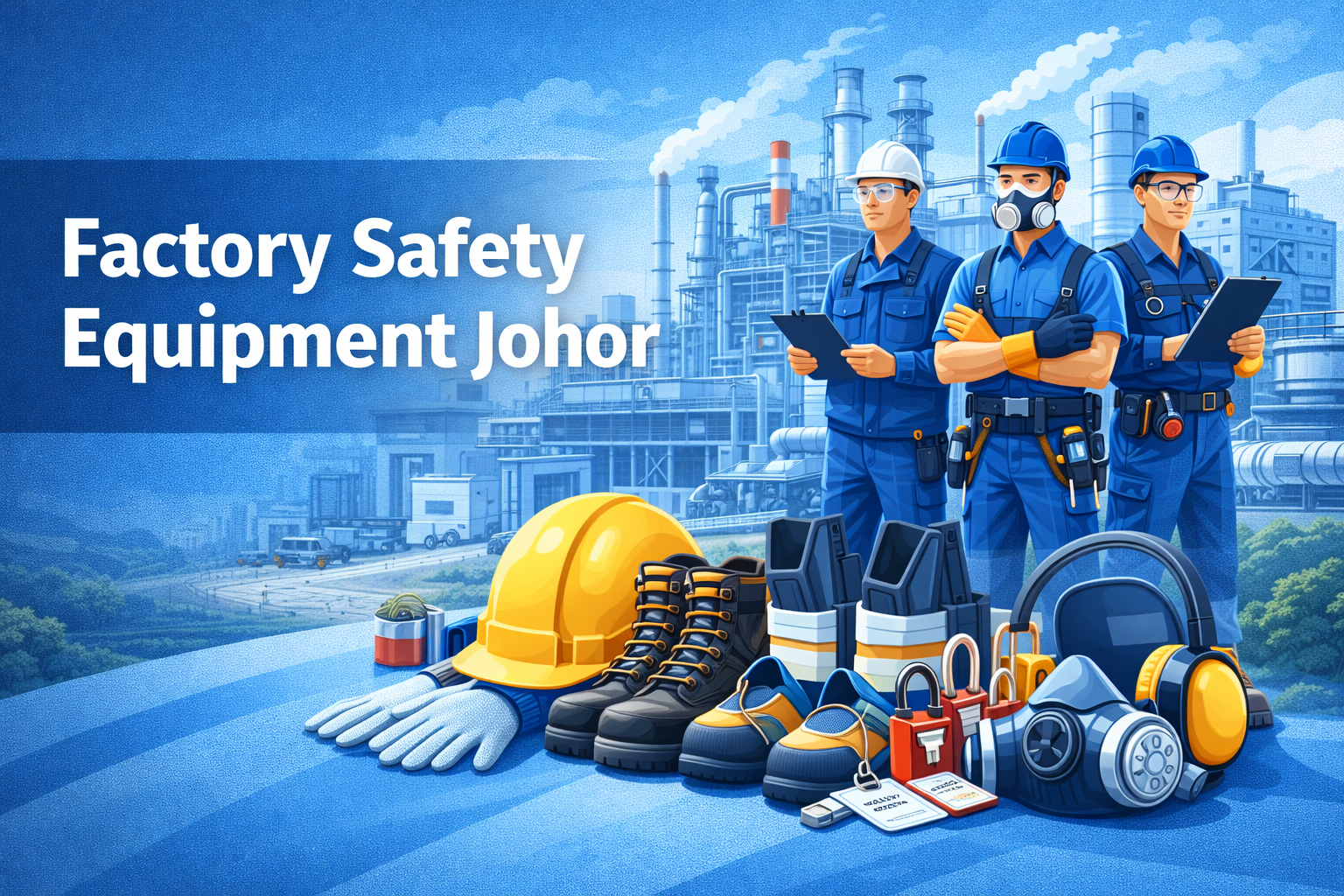
Johor is home to some of Malaysia’s most active industrial zones, including Senai, Pasir Gudang, and Kulai. Manufacturing plants operating in these areas face strict safety requirements. Having the right factory safety equipment Johor businesses rely on is essential for compliance, worker protection, and operational continuity.
Factories are high-risk environments, and safety equipment must be selected carefully to match operational hazards.
Why Factory Safety Equipment Johor Manufacturers Need Is Critical

Manufacturing facilities expose workers to:
- Heavy machinery
- Moving conveyor systems
- Electrical hazards
- Chemical exposure
- Sharp metal components
- Noise pollution
Under Malaysia’s Occupational Safety and Health Act (OSHA 1994), employers must provide adequate safety protection. Official guidelines can be reviewed via the Department of Occupational Safety and Health (DOSH Malaysia)
Investing in certified factory safety equipment Johor manufacturers depend on reduces accidents, improves compliance, and protects productivity.
Complete Factory Safety Equipment Johor Checklist
Below is a practical checklist for factories operating in Johor.
1. Head Protection
Industrial helmets are required in areas where overhead hazards exist. Even in manufacturing environments, head injuries can occur due to suspended tools or materials.
Factories sourcing reliable equipment often evaluate suppliers through resources such as our guide on How to Choose the Right PPE Supplier in Johor
2. Safety Footwear
Steel-toe and anti-slip footwear are essential factory safety equipment Johor facilities must enforce to prevent compression injuries and slips.
For more detailed comparison standards, refer to our article on Safety Shoes in Johor
3. Hand Protection
Cut-resistant gloves are necessary for handling metal components, while heat-resistant gloves are required in welding or fabrication units.
Factory safety equipment Johor manufacturing plants use must match specific task hazards.
4. Eye and Face Protection
Machining operations produce flying debris. Safety goggles and face shields are mandatory in fabrication, grinding, and welding areas.
5. Respiratory Protection
Factories dealing with dust, fumes, or chemicals require respirators and masks to prevent inhalation hazards.
6. Hearing Protection
Noise levels in manufacturing plants can exceed safe thresholds. Earplugs and earmuffs protect workers from long-term hearing damage.
7. Lockout/Tagout Systems
During machine maintenance, energy isolation procedures are critical. Lockout/tagout devices prevent accidental startup of machinery.
For a broader industrial overview, see our comprehensive guide on Industrial Safety Equipment Johor.
8. Fire Safety Equipment
Factories must install fire extinguishers, fire blankets, and emergency alarms. Compliance guidelines can be referenced through the Fire and Rescue Department of Malaysia (BOMBA)
Factory Safety Equipment Johor for Different Manufacturing Sectors
Different industries require different protection strategies.
Electronics Manufacturing
- Anti-static gloves
- Electrical-rated footwear
- Precision eye protection
Metal Fabrication
- Welding shields
- Heat-resistant gloves
- Heavy-duty footwear
Chemical Processing
- Chemical-resistant gloves
- Respirators
- Spill control kits
How to Choose a Factory Safety Equipment Supplier Johor Manufacturers Trust
Selecting the right supplier is as important as selecting the right equipment.
Certified Products
Ensure all factory safety equipment Johor suppliers provide meets recognized safety standards.
Bulk Procurement Capability
Factories require consistent stock availability. Bulk safety equipment Johor supply ensures smooth operations without interruption.
Local Support
Working with a Johor-based supplier improves delivery speed and communication efficiency.
Manufacturers operating in Kulai can explore localized support via our Safety Equipment Supplier in Kulai page (Internal – Local supply support).
For full product range access, businesses can also visit our Homepage.
Common Mistakes Factories Make in Safety Procurement
- Reusing damaged PPE
- Ignoring machine lockout procedures
- Buying low-cost uncertified products
- Failing to conduct regular inspections
Factory safety equipment Johor facilities rely on must be inspected routinely to maintain compliance.
Investing in Reliable Factory Safety Equipment Johor Businesses Require
Factory safety is an ongoing operational priority. Certified equipment reduces downtime, protects employees, and strengthens compliance records.
By selecting dependable factory safety equipment Johor manufacturers need, businesses protect their workforce and improve operational resilience.
Frequently Asked Questions
What factory safety equipment is required in Johor?
Helmets, gloves, safety shoes, respiratory protection, hearing protection, and lockout systems are commonly required.
Is factory safety equipment mandatory in Malaysia?
Yes. Employers must provide proper protective equipment under OSHA 1994.
Can factory safety equipment Johor manufacturers require be purchased in bulk?
Yes. Bulk procurement options are available for industrial and manufacturing facilities.
Where can factories in Johor source reliable safety equipment?
Factories can work with experienced local suppliers specializing in certified industrial safety solutions.
