Can't find what you're looking for? Get in touch!



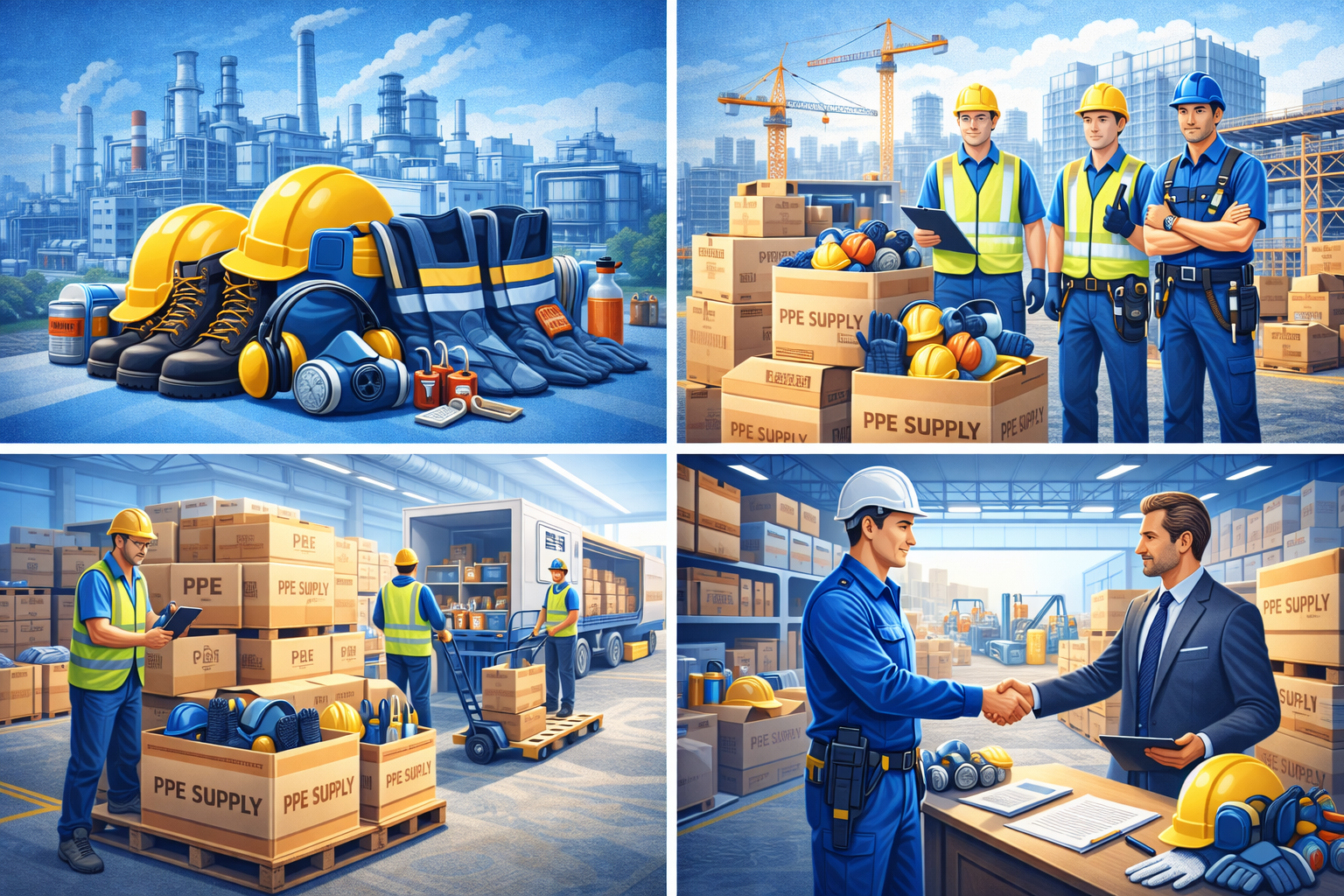
Finding the right personal protective equipment (PPE) supplier in Johor is more than just ticking a box. It's about making sure your team stays safe on the job, which is super important. You want gear that actually works and a supplier you can count on. This guide will help you figure out what you need, what to look for in certifications, and how to pick a good supplier in Johor. We'll cover everything from understanding hazards to building a solid, long-term relationship.
Key Takeaways
- Figure out exactly what dangers your workers face. This helps you pick the right kind of protection, like gloves for electrical work or sturdy boots for construction sites.
- Always check for certifications. Things like DOSH SIRIM approval in Malaysia, or standards like ASTM and IEC, show that the equipment meets safety rules.
- When looking for a PPE supplier in Johor, check their background. Make sure they have what you need, the quality is good, and the prices make sense, especially for bigger orders.
- Don't forget about the details. Think about things like how long it takes to get your order, what happens if something goes wrong, and if they can even make custom gear if you need it.
- Look for a supplier who cares about more than just making a sale. Consider if they offer eco-friendly options or have good customer service. Building a good relationship means better safety for everyone in the long run.
Understanding Your PPE Needs
Before you even start looking at suppliers, the most important step is figuring out exactly what kind of personal protective equipment, or PPE, your team actually needs. It sounds obvious, but you'd be surprised how many businesses skip this part. Getting this wrong means you might end up with gear that doesn't protect your workers properly, or worse, you might be spending money on stuff you don't even need. So, let's break down how to get this right.
Assessing Workplace Hazards
This is where you really need to put on your detective hat. What are the day-to-day risks your employees face? Think about everything from tripping hazards and falling objects to exposure to chemicals or extreme temperatures. A thorough hazard assessment is the bedrock of selecting the right PPE. It's not just about the obvious dangers; consider the duration of exposure and the specific environmental conditions. This will give you a clear picture of what hazards you need to protect against. For instance, if you have workers on a construction site, they'll need different protection than someone working in a cleanroom environment. Conducting a hazard assessment is the first, non-negotiable step.
Matching Protection to Specific Risks
Once you know the risks, you can match them with the right gear. It's like a puzzle. For example, if falling objects are a concern, you'll need safety boots with reinforced toe caps. If your team works with sharp materials, midsole protection is key. Slippery floors? Look for footwear with non-slip soles. It's all about direct correlation. Here’s a quick look at some common hazards and the type of protection that fits:
- Falling Objects: Reinforced toe caps.
- Sharp Objects: Midsole protection.
- Slippery Surfaces: Anti-slip soles.
- Extreme Temperatures: Heat-resistant soles.
- Chemical Exposure: Chemical-resistant materials.
Don't just grab the first thing you see. The right PPE is specific to the job. Mismatched gear can create a false sense of security, which is more dangerous than having no protection at all.
Industry-Specific Safety Requirements
Different industries have their own unique set of safety regulations and common risks. What's standard in manufacturing might be overkill or insufficient for healthcare. For example, the agriculture industry often requires protective toe caps, anti-static and anti-slip soles, and waterproof features. In contrast, the food and beverage sector might prioritize shock-absorbing heels and anti-slip soles for comfort and safety on wet floors. Always check if there are specific standards or common practices within your industry in Johor. This ensures your PPE choices align with both legal requirements and practical workplace needs.
|
Industry |
Key PPE Considerations |
|
Construction |
Steel toe caps, water-resistant stitching |
|
Healthcare |
Non-slip soles, shock-absorbing heels, comfortable fit |
|
Chemical |
Chemical resistance |
|
Oil & Gas |
Heat resistance, oil resistance, anti-slip, comfortable sole |
|
Logistics |
Protective toe caps, anti-slip, comfortable sole |
Key Certifications for Safety Equipment
When you're looking for safety gear, especially here in Johor, it's not just about how the stuff looks or how much it costs. You really need to pay attention to what makes it safe in the first place. That means looking for the right stamps of approval, the certifications that tell you this equipment has been tested and meets certain standards. It's like getting a report card for your safety gear – you want to see good grades.
Importance of DOSH SIRIM Approval
For many types of Personal Protective Equipment (PPE) used in Malaysia, you'll see references to DOSH and SIRIM. DOSH, which stands for the Department of Occupational Safety and Health, is the government body that oversees workplace safety. SIRIM, on the other hand, is a well-known standards and research institute. When PPE is approved by both, it means it has gone through rigorous testing to make sure it actually works as intended and protects the wearer.
- DOSH approval signifies that the product meets Malaysian safety regulations.
- SIRIM certification indicates that the product has been tested against specific standards for quality and performance.
Getting gear that has this dual approval gives you a solid level of confidence. It means the manufacturer has followed the rules and that the product is reliable for keeping your workers safe from common workplace hazards.
Understanding ASTM and IEC Standards
Beyond local approvals, many safety products also adhere to international standards. Two big ones you might encounter are ASTM and IEC.
- ASTM International develops and publishes voluntary consensus technical standards for a wide range of materials, products, systems, and services. For example, safety footwear often meets ASTM standards for impact and compression resistance.
- IEC (International Electrotechnical Commission) standards are particularly important for electrical safety equipment, like insulating gloves. These standards cover how electrical equipment should be designed, manufactured, and tested to prevent electrical hazards.
Looking for these international certifications shows that the product is designed to meet global safety benchmarks, which can be especially important if your business operates internationally or deals with equipment that follows these global norms.
Ensuring Product Reliability and Safety
Ultimately, all these certifications boil down to one thing: reliability. You need to know that the safety equipment you buy will perform when it's needed most. A supplier who can clearly show you the certifications for their products, explain what they mean, and provide documentation is a good sign.
Don't just take a supplier's word for it. Always ask to see the certification details. If a supplier is hesitant or can't provide proof, it's a red flag. Your workers' safety is too important to gamble on unverified equipment.
Here's a quick checklist when evaluating certifications:
- Verify the certification mark: Does it look legitimate?
- Check the product type: Does the certification apply to the specific item you're buying?
- Confirm the issuing body: Is it a recognized authority like DOSH, SIRIM, ASTM, or IEC?
- Ask for documentation: Can the supplier provide copies of the certificates or test reports if needed?
Evaluating Potential PPE Suppliers in Johor
So, you've figured out what kind of safety gear your team actually needs. That's a big step! Now comes the part where you find someone to actually sell it to you. Picking the right supplier in Johor isn't just about finding the cheapest option; it's about making sure you get reliable stuff that keeps your people safe. Let's break down how to do that.
Verifying Supplier Credentials
First things first, you need to know if the supplier is legit. You don't want to end up with a company that disappears after you pay or sells knock-off gear. Look for suppliers who have been around for a while and have a good reputation. Ask them for proof of their business registration and any industry-specific licenses they might hold. It's also a good idea to see if they have any certifications themselves, showing they know what they're doing when it comes to safety equipment.
Assessing Product Range and Quality
Does the supplier actually have the full range of PPE you need? It’s way easier if you can get most of your safety gear from one place. Check out their product catalog. Are the items clearly described? Do they meet the safety standards we talked about earlier (like DOSH SIRIM, ASTM, or IEC)? Don't be afraid to ask for samples, especially for critical items like gloves or safety footwear. You want to feel the quality yourself. A good supplier will be happy to show you their products and explain why they're a good choice.
Comparing Pricing and Bulk Order Benefits
Okay, price matters, no doubt about it. But remember, the cheapest option might not be the best in the long run if the quality is poor. Get quotes from a few different suppliers. See if they offer discounts for buying in larger quantities. Sometimes, a slightly higher price per item can be worth it if you're getting better quality and a supplier who's easier to work with. It's a balancing act between cost and safety.
When comparing prices, always look beyond the sticker price. Consider the total cost of ownership, which includes the lifespan of the product, potential replacement costs, and the impact of product failure on your operations and employee safety.
Here's a quick way to compare:
- Supplier A: Higher unit price, excellent quality, good warranty.
- Supplier B: Mid-range price, decent quality, standard warranty.
- Supplier C: Lowest unit price, questionable quality, limited warranty.
Which one sounds like a better bet for keeping your team safe?
Focusing on Specialized PPE Components
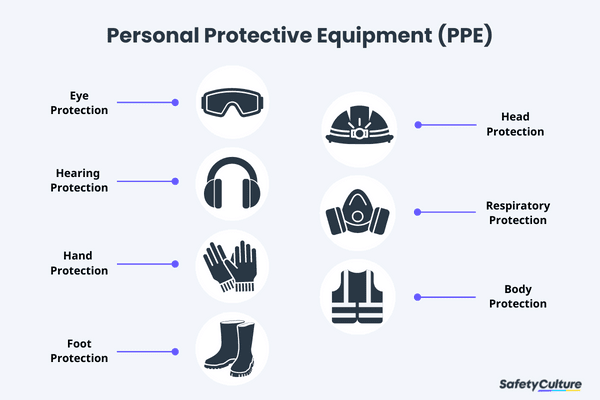
When you're kitting out your team, it's not just about the basics. Sometimes, the most critical protection comes from the specialized bits and pieces. Think about safety footwear and electrical insulating gloves – these aren't one-size-fits-all items. Getting these right means looking beyond the general catalog and really digging into what makes them effective for your specific jobs.
Selecting Durable Safety Footwear
Choosing the right safety shoes is more than just picking a sturdy-looking boot. You've got to match the shoe's features to the actual risks your workers face daily. For instance, if falling objects are a concern, you'll need boots with robust toe protection. If your team works around sharp debris, midsole protection becomes a big deal. Slippery floors? Look for soles designed for grip. It’s about preventing injuries before they happen.
Here’s a quick rundown of common hazards and the kind of protection to look for:
- Falling Objects: Toe cap protection is a must. Think heavy-duty boots.
- Sharp Objects: Midsole protection stops punctures. Again, heavy-duty is the way to go.
- Slippery Surfaces: Non-slip soles are key. Look for shoes specifically labeled as anti-slip.
- Wet Conditions: Waterproof and lightweight options, like PVC Wellingtons, can make a big difference.
- Chemical Exposure: You'll need shoes made with chemical-resistant materials.
Don't just assume any safety shoe will do. A quick chat with your supplier about the specific hazards in your workplace can help you pinpoint the footwear that offers the best defense.
Choosing Reliable Electrical Insulating Gloves
For anyone working with electricity, the right gloves are non-negotiable. These aren't your average work gloves; they're designed with high dielectric strength to prevent electrical currents from passing through. When you're looking for these, always check for certifications like ASTM D120 or IEC 60903. These standards mean the gloves have been tested and proven to offer a specific level of protection against electrical hazards. It’s also worth considering the voltage levels your team works with – gloves are rated for different voltage ranges, from low-voltage up to high-voltage applications.
Considering Customization Options
Sometimes, standard PPE just doesn't cut it. Maybe you have a unique work environment, or your team has specific needs that off-the-shelf products don't quite meet. This is where customization comes in. Some suppliers can modify existing PPE or even create bespoke items. This could mean adding extra padding to safety vests, adjusting the fit of gloves for better dexterity, or even incorporating specific branding. While it might cost a bit more upfront, custom solutions can lead to better comfort, improved safety, and higher worker acceptance of the gear. It’s about making sure the PPE works for your people, not against them.
Logistics and Supplier Support
When you're picking out safety gear, it's not just about the product itself. You've got to think about how you're going to get it, when you'll get it, and what happens if something goes wrong. This is where looking at a supplier's logistics and support really matters. It can make a big difference in keeping your operations running smoothly.
Confirming Lead Times and Delivery Schedules
Nobody likes waiting around for supplies, especially when they're needed to keep workers safe. It's important to get a clear picture of how long it will take for your order to arrive. Ask suppliers about their typical lead times for the items you need. Do they have stock readily available, or are things made to order? Also, find out about their delivery schedules. Do they deliver to your specific location in Johor regularly, or is it a special trip?
- Ask about stock levels for common items.
- Understand their delivery routes and frequency in Johor.
- Inquire about any potential delays due to holidays or local events.
Sometimes, suppliers might offer part deliveries if a full order isn't ready. While this can get you some of what you need sooner, make sure you understand how it affects the rest of your order and any potential extra shipping costs.
Understanding After-Sales Service
What happens after the delivery truck pulls away? Good suppliers don't just disappear. They should have a plan for what happens next. This includes how they handle returns if something isn't right, or if you've ordered the wrong thing by mistake. Check their policy on returns – do you need a special number? Are the goods expected to be in their original packaging? Also, think about warranties. If a piece of equipment breaks down, who fixes it, and how quickly?
It's wise to have a clear process for handling any issues that pop up with your PPE. Knowing who to call and what steps to take can save a lot of hassle down the line.
Evaluating Supplier Communication
Communication is key, right? You need to be able to reach your supplier easily when you have questions or need to make changes. How do they prefer to communicate? Is it email, phone, or a dedicated portal? A supplier that communicates clearly and promptly is usually a sign of a well-organized business. If you're trying to get a quote or track an order, how responsive are they? Do they keep you in the loop about any changes to your order or delivery? It's also good to know if they can provide training on how to use certain types of PPE, though this is often an extra cost unless specified otherwise.
Building a Sustainable Safety Partnership
Choosing the right personal protective equipment (PPE) supplier is more than just a transaction; it's about building a relationship that supports your company's long-term safety and ethical goals. As businesses become more aware of their environmental and social impact, so too does the demand for sustainable and ethically produced safety gear. This means looking beyond just price and availability to consider the broader implications of your purchasing decisions.
Exploring Eco-Friendly Material Options
It's becoming increasingly common for companies to seek out PPE made from more sustainable materials. This isn't just about looking good; it's about reducing your company's environmental footprint. Think about gloves made from recycled plastics or footwear incorporating plant-based components. While these options might sometimes come with a slightly higher initial cost, the long-term benefits for the planet and potentially for your brand image can be significant. It’s worth asking suppliers about their material sourcing and what eco-friendly alternatives they can provide. Some manufacturers are even starting to offer recycled content options in their products.
Partnering with Ethical Manufacturers
Beyond materials, the ethics behind how PPE is made are also gaining importance. This involves looking into labor practices, fair wages, and safe working conditions for the people manufacturing the equipment. A truly sustainable partnership means working with suppliers who are transparent about their supply chains and demonstrate a commitment to ethical production. This might involve checking for certifications or asking direct questions about their manufacturing processes. It’s about ensuring that the safety of your workers isn't achieved at the expense of others.
Long-Term Supplier Relationships
Building a lasting relationship with your PPE supplier can bring many advantages. When a supplier understands your business, your specific needs, and your commitment to sustainability, they can become a true partner. This can lead to better service, more tailored solutions, and even proactive suggestions for improving your safety program. A good supplier will be invested in your success, not just in making a sale. They'll be there to help you navigate changes in regulations, introduce you to new safety technologies, and ensure you always have the right gear for the job.
- Prioritize suppliers who demonstrate transparency in their operations.
- Look for suppliers with a clear commitment to environmental responsibility.
- Consider suppliers who offer training or support on PPE usage and maintenance.
Building a sustainable safety partnership requires a shift in perspective. It's about viewing your PPE supplier not just as a vendor, but as an ally in creating a safer, more responsible workplace for everyone involved.
Wrapping Up Your Search for a PPE Supplier
So, you've gone through the steps, checked the certifications, and thought about what your team really needs. Choosing the right personal protective equipment supplier in Johor isn't just about buying stuff; it's about making sure your people are safe on the job. Don't rush this. Take your time, compare your options, and ask plenty of questions. A good supplier will be happy to help you find exactly what you need, and that peace of mind is worth a lot. Ultimately, the best choice is a supplier who provides reliable gear and stands behind their products, helping you keep your workplace secure and your workers protected.
Frequently Asked Questions
What kind of safety gear do I really need for my workers in Johor?
Think about the dangers at your workplace. Are there things that could fall on feet? Do workers handle electricity? Are there sharp objects or slippery floors? Knowing these risks helps you pick the right protection, like sturdy boots with toe caps or special gloves for electrical work.
How do I know if the safety equipment is actually good and safe?
Look for official stamps of approval! In Malaysia, you'll want to see if the gear is approved by DOSH and SIRIM. These approvals mean the products have been tested and meet important safety rules, like those from ASTM or IEC, which are recognized worldwide.
What makes a supplier in Johor a good choice?
A good supplier will have all the right certifications for their products. They should also have a wide selection of quality gear, offer fair prices, especially if you're buying a lot, and be able to tell you all about their products.
Are there special things to consider for safety shoes and electrical gloves?
For safety shoes, make sure they protect against the specific dangers you identified, like falling objects or sharp stuff. For electrical gloves, it's super important they are made for the right voltage and are certified for electrical safety. Some suppliers can even make custom gear if needed.
What if I need the safety gear quickly, or if something goes wrong later?
Before you buy, ask the supplier how long it will take them to deliver the gear. Also, find out what kind of help they offer after you buy, like if you need to return something or have questions. Good communication is key!
Can I find safety gear that's also good for the environment?
Yes, some suppliers are starting to offer gear made from eco-friendly materials. Choosing these suppliers shows you care about the planet as well as your workers' safety. Building a long-term relationship with a responsible supplier is a win-win.
