Can't find what you're looking for? Get in touch!



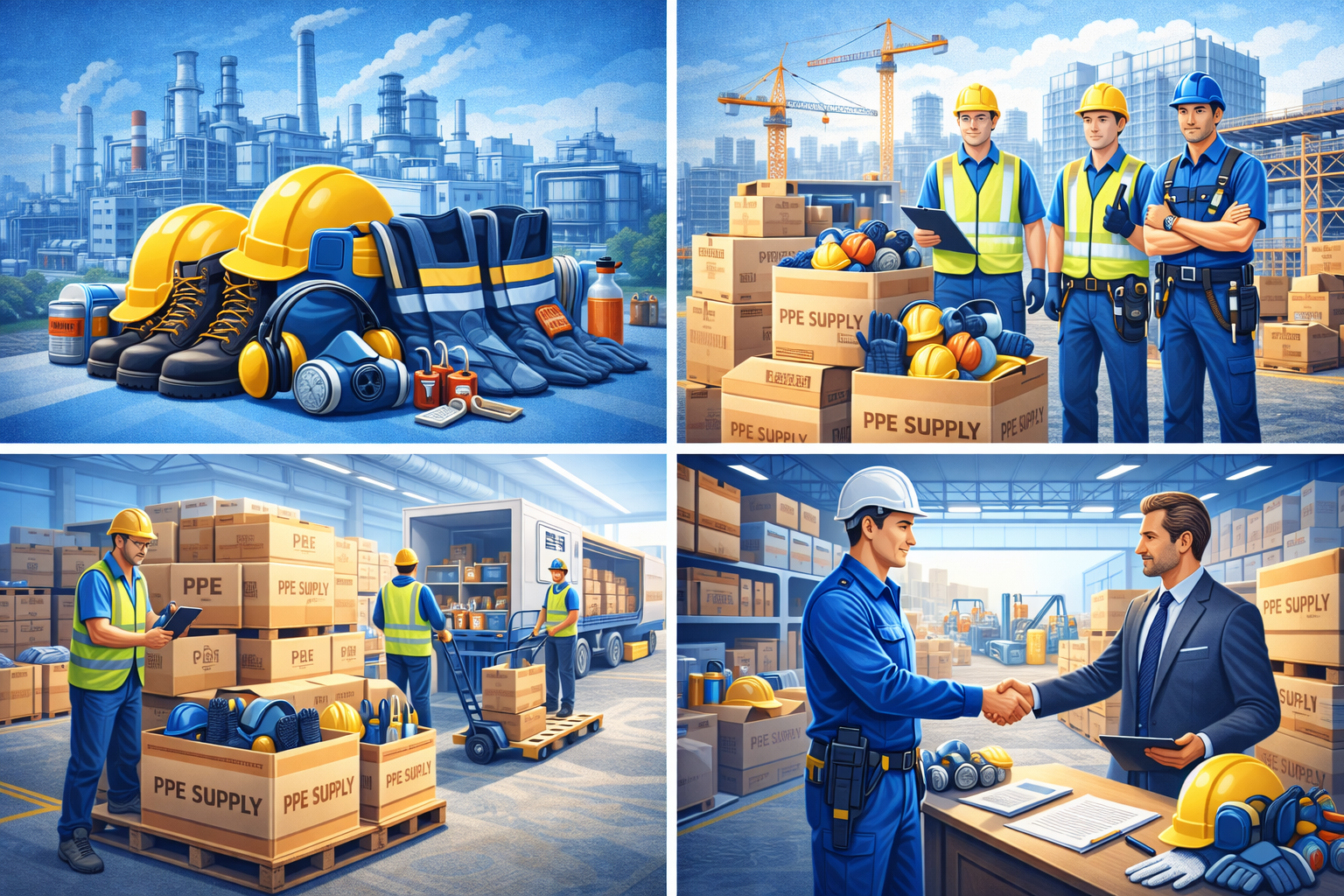
Workplace safety is a critical responsibility for companies operating in construction, manufacturing, engineering, and industrial sectors. One of the most essential pieces of personal protective equipment (PPE) used in these environments is the safety helmet. In Malaysia, safety helmets help protect workers from head injuries caused by falling objects, accidental impacts, and workplace hazards.
Industrial workplaces often involve heavy machinery, elevated work areas, and construction materials that may pose risks to workers. Without proper head protection, even minor accidents can result in serious injuries. Because of this, businesses must ensure that workers are equipped with high-quality safety helmets that meet recognized safety standards.
This guide explains everything companies need to know about safety helmets in Malaysia, including the different types available, safety standards, how to choose the right helmet, and why reliable suppliers play an important role in workplace safety.
Why Safety Helmets Are Essential in Industrial Workplaces

Safety helmets are designed to absorb impact and protect workers from head injuries in hazardous environments. Industries such as construction, manufacturing, and logistics frequently involve risks such as falling tools, moving machinery, and structural hazards.
When workers wear certified safety helmets, the helmet shell and suspension system help absorb shock from impacts and distribute force across the helmet structure. This reduces the risk of severe injuries and protects workers in high-risk environments.
Industrial safety equipment providers often emphasize the importance of proper PPE when developing workplace safety programs. Many businesses sourcing protective gear rely on suppliers that provide industrial safety equipment in Johor, ensuring that helmets and other protective equipment meet industry safety standards.
Using certified safety helmets significantly improves worker protection and helps companies maintain compliance with workplace safety regulations.
Common Types of Safety Helmets Used in Malaysia
Different industries require different helmet designs. Understanding these helmet types helps businesses choose equipment suitable for specific job roles.
Type 1 Safety Helmets
Type 1 helmets are designed to protect workers from impacts to the top of the head. They are commonly used in construction sites and industrial workplaces where falling objects may pose a risk.
These helmets are widely used by construction workers, engineers, and maintenance personnel. The design focuses on vertical impact protection, making them ideal for environments where materials or tools may fall from above.
Companies involved in infrastructure projects frequently rely on suppliers that specialize in construction safety equipment in Johor, ensuring workers receive helmets suitable for construction site hazards.
Type 2 Safety Helmets
Type 2 helmets provide protection from both top and lateral impacts. These helmets are designed for environments where workers may be exposed to side impacts from equipment or structural materials.
Although less common than Type 1 helmets, they are often used in high-risk industrial environments such as mining, heavy manufacturing, and engineering operations.
Because these helmets provide additional protection, they are sometimes recommended for specialized industrial environments where workers face multiple impact risks.
Full Brim Safety Helmets
Full brim helmets provide extended coverage around the entire helmet structure. The brim helps protect workers from sun exposure, rain, and debris.
These helmets are commonly used in outdoor environments such as construction sites, road maintenance projects, and infrastructure development.
Many construction companies prefer full brim helmets because they provide both impact protection and additional environmental protection for workers.
Vented Safety Helmets
Vented helmets include small openings that allow airflow through the helmet structure. These helmets improve comfort in hot environments, which is particularly important in tropical climates like Malaysia.
Workers performing physically demanding tasks often prefer vented helmets because they help reduce heat buildup during long working hours.
However, vented helmets should only be used in environments where electrical hazards are not present, as ventilation openings may reduce electrical protection.
Safety Helmet Materials
The materials used to manufacture safety helmets play a major role in determining durability and impact resistance.
Most safety helmets are made from high-strength thermoplastic materials such as polyethylene or polycarbonate. These materials provide excellent impact protection while remaining lightweight and comfortable for workers.
High-quality helmets also include internal suspension systems that help distribute impact forces across the helmet structure.
Businesses sourcing helmets often work with experienced PPE providers such as PPE supplier Johor, who help companies select helmets designed for their specific workplace environments.
Selecting helmets made from durable materials ensures workers receive reliable protection during daily operations.
Safety Helmet Standards in Malaysia
Safety helmets used in Malaysia must comply with recognized safety standards to ensure they provide adequate protection.
Common helmet standards include:
- ANSI safety standards
• EN European standards
• Malaysian occupational safety guidelines
Certified helmets undergo testing to ensure they can withstand impacts, penetration hazards, and electrical risks.
In Malaysia, workplace safety is regulated by the Department of Occupational Safety and Health (DOSH). Employers are responsible for ensuring workers receive appropriate PPE in hazardous environments.
Businesses can review workplace safety guidelines through the official DOSH website:
Following these standards helps companies ensure that workers receive helmets that meet proper safety requirements.
How to Choose the Right Safety Helmet
Selecting the right safety helmet requires understanding the hazards present in a workplace.
Companies should consider several factors when choosing helmets for their workforce.
Workplace Environment
Different workplaces require different helmet features. Construction sites may require helmets that protect against falling objects, while manufacturing facilities may need helmets that protect against electrical hazards.
Evaluating workplace risks helps companies choose helmets designed for their specific environment.
Comfort and Fit
Workers must wear helmets for long periods of time. Therefore, comfort and proper fit are essential.
Helmets should include adjustable suspension systems that allow workers to customize the fit. Proper ventilation and lightweight materials also improve comfort.
When workers feel comfortable wearing protective equipment, they are more likely to wear it consistently.
Compatibility with Other PPE
Safety helmets must often be used alongside other protective equipment such as face shields, ear protection, or respirators.
Choosing helmets that are compatible with additional PPE ensures workers can safely use multiple protective systems at the same time.
Many companies implementing workplace safety programs consult guides such as how businesses in Johor choose reliable safety equipment suppliers, which explains how experienced PPE providers help organizations select compatible protective gear.
Helmet Replacement and Maintenance
Safety helmets should be inspected regularly to ensure they remain in good condition. Helmets that show signs of cracks, dents, or structural damage should be replaced immediately.
Even helmets that appear undamaged should be replaced after prolonged use, as materials may degrade over time due to sunlight exposure or workplace conditions.
Regular inspections ensure helmets continue to provide reliable protection for workers.
Benefits of Using Certified Safety Helmets
Certified safety helmets offer several advantages for businesses and workers.
First, they significantly reduce the risk of head injuries in hazardous environments. Workers operating near machinery, elevated structures, or construction equipment benefit greatly from proper head protection.
Second, certified helmets help companies comply with workplace safety regulations, reducing liability risks and ensuring compliance with occupational safety laws.
Finally, reliable helmets improve worker confidence and morale, as employees feel safer when equipped with proper protective gear.
The Role of Reliable PPE Suppliers
Choosing the right PPE supplier plays a crucial role in ensuring businesses receive high-quality safety helmets.
Reliable suppliers provide certified equipment, consistent product availability, and professional guidance when selecting protective gear.
Businesses searching for trusted equipment providers often review resources such as where to get the best PPE in Johor, which highlights how companies can identify reliable safety suppliers in the region.
Working with experienced suppliers ensures companies receive helmets designed for industrial environments.
Conclusion

Safety helmets play a vital role in protecting workers from head injuries in industrial environments. In Malaysia, industries such as construction, manufacturing, and engineering rely on helmets to protect workers from falling objects, structural hazards, and workplace accidents.
Understanding the different types of helmets, safety standards, and selection criteria helps businesses choose equipment that provides reliable protection for their workforce.
By investing in certified helmets and working with experienced PPE suppliers, companies can build safer workplaces while ensuring compliance with Malaysian occupational safety regulations.
Protecting workers with proper safety equipment is not only a legal responsibility but also a commitment to maintaining safe and productive workplaces.
Frequently Asked Questions
What are safety helmets used for?
Safety helmets protect workers from head injuries caused by falling objects, impacts, and workplace hazards.
Are safety helmets required in Malaysian workplaces?
Yes. Employers must provide appropriate PPE, including safety helmets, when workers are exposed to head injury risks.
What is the difference between Type 1 and Type 2 safety helmets?
Type 1 helmets protect from impacts to the top of the head, while Type 2 helmets provide protection from both top and side impacts.
How often should safety helmets be replaced?
Helmets should be replaced if they show signs of damage or after several years of use depending on manufacturer guidelines.
Where can companies buy safety helmets in Johor?
Businesses can purchase helmets from trusted PPE suppliers that provide certified safety equipment for industrial workplaces.
