Can't find what you're looking for? Get in touch!

Image
Image
Image

Blog

High Visibility Safety Vests: Types, Standards & Buying Guide

1. Introduction 

A high visibility safety vest is one of the simplest yet most effective tools for preventing workplace accidents. In busy industrial and construction environments, high visibility safety vests help workers stand out before danger gets too close. When used correctly, they reduce risk, support compliance, and protect lives.

 WhatsApp us for a quick quote

  1. What Are High Visibility Safety Vests?

High Visibility Vest

A high visibility safety vest is a type of personal protective equipment designed to make the wearer clearly visible in both daylight and low-light conditions. These vests combine fluorescent colors for daytime visibility with reflective strips that shine when hit by artificial light.

You can think of them like road signs worn on the body. Just as a bright warning sign alerts drivers from a distance, a reflective safety vest alerts equipment operators and drivers that a person is present.

As part of a complete PPE range, high visibility safety vests are typically worn alongside helmets, gloves, and safety footwear to create layered protection in hazardous environments.

  1. Why High Visibility Safety Vests Are Critical for Workplace Safety 

High Visibility Safety Vest - Road Safety Equipment Supplier in Malaysia |  Tritech

Many workplace accidents happen not because workers act unsafely, but because they are not seen in time. Forklifts reversing, trucks entering loading bays, or machinery operating in tight spaces all create visibility risks.

A hi vis safety vest works like a constant visual warning. It signals presence instantly, even from a distance. This is why high visibility vests are considered essential PPE in high-risk industries.

In fact, high visibility clothing is often listed alongside helmets and safety shoes as essential PPE for workplaces where people and moving equipment interact. When visibility improves, reaction time improves and accidents drop.

  1. Key Regulations and Safety Standards for High Visibility Vests

High visibility safety vests are not just recommended; in many cases, they are legally required.

4.1 International Standards (ISO, EN, ANSI/ISEA)

Globally, safety vests are governed by standards such as ANSI/ISEA and ISO 20471. These standards define minimum brightness levels, reflective tape placement, and performance after washing.

4.2 Industry-Specific Compliance Requirements

Construction, logistics, and road work often require higher-class vests due to faster-moving vehicles and greater exposure to risk.

4.3 Employer Responsibilities and Legal Implications

Employers are responsible for providing compliant PPE and replacing worn-out vests. Failure to do so can lead to fines, project shutdowns, or liability after accidents.

  1. Types of High Visibility Safety Vests by Use Case

Importance of High Visibility Clothing for Worker Safety

High visibility safety vests are part of broader protective workwear, and different jobs require different designs.

5.1 Construction and Road Work Vests

Designed for high-speed traffic zones and heavy machinery environments.

5.2 Manufacturing and Warehouse Vests

Lightweight vests focused on forklift and pallet traffic visibility.

5.3 Logistics, Ports, and Transportation Vests

Built for wide-open areas, changing weather, and night operations.

5.4 Emergency and Night-Work Vests

Provide maximum reflectivity and 360-degree visibility.

  1. High Visibility Vest Classes Explained (ANSI/ISO) 

Safety vest classes define how visible a worker must be based on risk level.

6.1 Class 1: Low-Risk Environments

For controlled areas with slow-moving equipment.

6.2 Class 2: Moderate Traffic and Industrial Areas

Common in construction sites and busy industrial zones.

6.3 Class 3: High-Risk and High-Speed Environments

Vest Class Risk Level Typical Use
Class 1 Low Warehouses
Class 2 Medium Construction
Class 3 High Road & Night Work

Required for highway work, night work, and high-speed traffic exposure.

Choosing the wrong class is like wearing a helmet that doesn’t fit it looks fine, but it won’t protect you when it matters.

  1. Materials and Design Features That Impact Performance (≈180 words)

Not all high visibility safety vests perform the same.

7.1 Fabric Types and Durability

Mesh offers breathability, while solid fabrics offer higher durability.

7.2 Reflective Tape Quality and Placement

Low-quality tape fades quickly and reduces compliance.

7.3 Breathability, Weight, and Comfort

Comfort directly affects whether workers wear vests correctly and consistently.

  1. How to Choose the Right High Visibility Safety Vest for Your Workforce (≈240 words)

Choosing the right vest starts with understanding the worksite.

8.1 Assessing Worksite Risks

Consider vehicle speed, lighting, and environment.

8.2 Matching Vest Class to Job Role

Different roles require different visibility levels.

8.3 Climate and Environmental Considerations

Hot climates may require mesh; outdoor work may need durability.

8.4 Sizing, Fit, and Compatibility with Other PPE

For unique needs or branding, customised workwear can improve comfort, compliance, and identification without reducing safety performance.

  1. Benefits of Using Certified High Visibility Safety Vests (≈150 words)

Certified vests reduce risk, simplify inspections, and support a strong safety culture. Working with suppliers that demonstrate a clear safety commitment also strengthens long-term compliance and trust.

Certified PPE is not just about passing audits it’s about protecting people consistently.

    10. Common Mistakes Companies Make When Buying Safety Vests 

One of the most common mistakes is choosing a high visibility safety vest based on price instead of performance. Low-cost vests often fade quickly or lose their reflective properties after repeated washing, which can lead to non-compliance.

Another mistake is using the same vest for every role. A warehouse worker and a road maintenance worker face very different risks. Using the wrong vest class can create a false sense of safety.

Some organisations also overlook fit and comfort. If a hi vis safety vest is too tight, too loose, or uncomfortable, workers may wear it incorrectly or not at all. Finally, many teams fail to plan for replacement, continuing to use worn or damaged vests long after they stop providing proper visibility.

  1. Best Practices for Bulk Purchasing and Inventory Management (≈180 words)

Buying high visibility safety vests in bulk can reduce costs, but only when done strategically.

11.1 Standardizing PPE Across Teams

Standardising vest types and classes across similar roles makes training easier and ensures consistent compliance. Workers know exactly what to wear and when.

11.2 Cost vs. Quality Considerations

Cheaper vests often need replacing sooner. A durable, certified reflective safety vest usually offers better long-term value, even if the upfront cost is slightly higher.

11.3 Replacement Cycles and Stock Planning

Plan replacement cycles based on usage, washing frequency, and exposure to sunlight and chemicals. Keeping a small buffer stock helps avoid shortages when damaged vests need immediate replacement.

  1. Maintenance, Inspection, and Replacement Guidelines (≈150 words)

Regular inspection is essential to ensure a high visibility safety vest continues to perform as intended. Check vests for fading fabric, torn seams, and peeling reflective tape.

Washing should follow manufacturer instructions. Harsh detergents and high heat can damage reflective materials, reducing visibility over time.

A simple rule works well: if the vest no longer stands out clearly under light, it should be replaced. Visibility that is “good enough” during the day may fail at night or in bad weather. Treat worn vests the same way you would treat damaged helmets or gloves replace them without delay.

  1. Frequently Asked Questions 

13.1 What class of high visibility vest is required for construction sites?

Most construction sites require Class 2 or Class 3 high visibility safety vests, depending on traffic speed, equipment movement, and lighting conditions.

13.2 How often should high visibility vests be replaced?

There is no fixed timeline. Replace them when fabric fades, reflective tape loses brightness, or damage affects compliance.

13.3 Are reflective vests mandatory under workplace safety laws?

In many industries, yes especially where workers are exposed to vehicle or equipment movement. Requirements depend on local regulations and risk assessments.

13.4 What is the difference between ANSI and ISO standards?

ANSI standards are commonly used in North America, while ISO and EN standards are widely applied internationally. Both define visibility levels and performance requirements.

13.5 Can high visibility vests be customized with company logos?

Yes, as long as customization does not cover or reduce required reflective areas or affect compliance.

13.6 Do worn or faded vests still meet compliance requirements?

No. A vest that has lost visibility no longer meets safety standards, even if it is still structurally intact.

13.7 Are mesh vests suitable for heavy industrial environments?

Mesh vests are ideal for hot conditions but may not provide enough durability for all industrial settings. Always match vest type to worksite risk.


10 Essential Industrial Safety Equipment Categories for Malaysian Workplaces

Last reviewed: July 2026

Industrial safety equipment should never be selected from a generic shopping list. A construction site, chemical store, warehouse, electrical room and manufacturing line can all require different controls, even when they operate within the same company.

Under Section 18B of Malaysia’s Occupational Safety and Health Act 1994 employers, self-employed persons and principals must assess safety and health risks and implement controls where risks need to be eliminated or reduced. The practical starting point is therefore a documented HIRARC or another suitable risk-assessment process, followed by equipment selection based on the identified hazards.

This guide covers ten major categories of industrial safety equipment commonly required across Malaysian factories, construction projects, logistics operations, utilities, workshops and maintenance environments. It does not mean that every workplace needs every item. The correct equipment package depends on the work activity, exposure level, site conditions, legal requirements, client specifications and manufacturer instructions.

Need a consolidated quotation for a site or facility?
Browse Haisar’s complete safety and project-supply range or send your equipment list through WhatsApp.


Quick selection guide

Equipment category

Hazards addressed

Common examples

1. Head protection

Falling or flying objects, impact, overhead obstructions and selected electrical hazards

Industrial safety helmets, bump caps, chin straps and accessories

2. Eye and face protection

Dust, particles, liquid splash, chemicals, heat, radiation and impact

Safety glasses, goggles, face shields and welding protection

3. Hearing protection

Hazardous occupational noise

Earplugs, earmuffs and helmet-mounted hearing protection

4. Respiratory protection

Dusts, fumes, mists, gases and vapours

Disposable respirators, half masks, full-face respirators and PAPRs where justified

5. Hand protection

Cuts, abrasion, puncture, heat, chemicals and electrical contact

Cut-resistant, chemical-resistant, leather, coated and insulating gloves

6. Foot protection and workwear

Impact, penetration, slips, visibility, heat, flame, weather and contamination

Safety footwear, high-visibility clothing, coveralls, rainwear and arc-rated garments

7. Work-at-height and access

Falls from height and unsafe access

Guardrails, ladders, platforms, harnesses, lanyards, SRLs and rescue equipment

8. Electrical safety and isolation

Electric shock, arc flash and unexpected energisation

Insulating gloves, arc-rated PPE, mats, tools, detectors and LOTO equipment

9. Fire safety and emergency response

Fire, smoke, injury and evacuation emergencies

Extinguishers, signs, alarms, first-aid equipment, eyewash and rescue supplies

10. Chemical safety, gas detection and spill control

Chemical exposure, hazardous atmospheres and liquid releases

Chemical PPE, gas detectors, spill kits, absorbents and emergency showers


Start with HIRARC, not a product catalogue

The DOSH HIRARC guidelines provide a structured method for classifying work activities, identifying hazards, assessing risk and selecting controls. This matters because PPE and safety products are usually only part of the control system.

For example, a respirator may be necessary while an engineering control is installed, but local exhaust ventilation may provide the stronger long-term control. A harness may reduce the consequence of a fall, but a guarded work platform can prevent the fall. Hearing protection may be required, but quieter machinery and acoustic controls should also be considered.

Core principle
Select equipment only after defining the hazard, task, exposure, user, environment, required performance, compatible components and emergency arrangements.


1. Head protection

Head protection is commonly required where workers may be struck by falling or flying objects, hit their heads against fixed structures or encounter specific electrical hazards. The correct helmet should be selected according to the hazard and the applicable product standard—not simply by colour, appearance or price.

What to check

  • The intended protection: top impact, lateral impact, penetration, electrical performance or a combination of hazards.
  • A secure and adjustable suspension system that fits the user correctly.
  • Compatibility with chin straps, earmuffs, face shields, lamps or other accessories.
  • Clear product markings, traceability and the applicable test standard.
  • Manufacturer limits for service life, cleaning, storage and replacement.
  • Shell and suspension condition during every pre-use inspection.

Browse Haisar PPE and head-protection options. For role-specific selection, use the Haisar job-role PPE matrix.

2. Eye and face protection

Eye and face hazards include flying particles, grinding sparks, chemical splash, molten material, dust, ultraviolet or infrared radiation and high-pressure liquid release. Safety glasses, goggles and face shields perform different functions.

Protection type

Best suited to

Selection note

Safety glasses

General impact and flying-particle hazards

Use lenses and side protection appropriate to the hazard; ordinary spectacles are not safety eyewear.

Chemical or sealed goggles

Dust, mist and liquid splash

Ventilation type and material compatibility matter for chemical work.

Face shield

Additional face coverage against splash, particles or heat

A face shield usually supplements rather than replaces primary eye protection.

Welding protection

Optical radiation, sparks and hot particles

Shade and filter selection must match the welding or cutting process.


Choose eye and face protection that remains compatible with helmets, respirators and hearing protection. Equipment that interferes with another item can reduce the performance of the complete PPE system. View Haisar’s PPE range.

3. Hearing protection

Hearing protection should be selected from the findings of a noise risk assessment—not from a preference for the highest advertised attenuation. Malaysia’s Noise Exposure Regulations 2019 require employers to manage occupational noise exposure, while DOSH guidance emphasises engineering and administrative controls before relying only on personal hearing protection.

Common options

  • Disposable or reusable earplugs for suitable ear-canal fit and hygiene conditions.
  • Earmuffs for easier supervision, intermittent use or environments where plugs are unsuitable.
  • Helmet-mounted earmuffs where hearing and head protection must be integrated.
  • Dual protection where the assessed exposure and competent advice justify using plugs and muffs together.

Overprotection can make communication and warning signals difficult. The aim is adequate protection while preserving safe situational awareness. Browse Haisar hearing and general PPE solutions.

4. Respiratory protection

Respiratory protection cannot be selected only by choosing “a mask.” The contaminant, physical form, concentration, exposure duration, oxygen level, face fit and work rate all affect the required protection.

Selection questions

  • Is the hazard a dust, fume, mist, gas, vapour or combination?
  • What is the measured or expected concentration?
  • Is the atmosphere oxygen-deficient, immediately dangerous or unknown?
  • Is an air-purifying device permitted for the atmosphere?
  • Which filter or cartridge is specified for the contaminant?
  • Does the user require fit testing, medical assessment or facial-hair controls?
  • How will the respirator be cleaned, stored, inspected and maintained?

A powered air-purifying respirator can be valuable for specific work, but it is not automatically the best option for every workplace. It must be justified by the assessment and selected within its limitations. Air-purifying respirators must not be used in oxygen-deficient or unknown atmospheres unless the equipment is specifically designed and approved for that use.

Explore Haisar respiratory protection products.

5. Hand protection

No single glove protects against every hazard. A glove that performs well against abrasion may provide poor chemical resistance. A chemical-resistant glove may create dexterity problems around rotating equipment. Cut resistance does not automatically mean puncture, heat or impact protection.

Match gloves to the task

Hazard

Typical glove consideration

Important check

Cuts and sharp edges

Cut-resistant fibres or reinforced constructions

Required cut, puncture and abrasion performance

Oils and general handling

Coated work gloves

Grip, coating durability and chemical compatibility

Chemicals

Material selected for the specific chemical

Permeation, degradation and breakthrough-time data

Heat and welding

Heat-resistant or leather gloves

Temperature, flame, sparks, dexterity and cuff length

Electrical work

Voltage-rated insulating gloves with protectors where required

Class, test status, inspection and storage requirements


For chemical work, consult the safety data sheet, the exposure assessment and material-specific permeation data. The USECHH Regulations 2000 require suitable PPE and procedures for issuance, maintenance, inspection and training when PPE is used to control hazardous chemical exposure.

Browse Haisar hand-protection and chemical-safety equipment.

6. Safety footwear and protective workwear

Safety footwear and workwear should be specified by hazard. “Safety shoe” and “coverall” are broad labels, not complete specifications.

Footwear considerations

  • Toe-impact and compression protection.
  • Midsole penetration protection for sharp debris.
  • Slip resistance for the actual floor contamination and surface.
  • Chemical, oil, heat or water resistance where required.
  • Electrical or dielectric performance only where specifically tested and suitable.
  • Fit, ankle support, weight and compatibility with the work posture.

Workwear considerations

  • High visibility for vehicle and mobile-plant environments.
  • Flame-resistant or arc-rated protection for applicable thermal and electrical hazards.
  • Chemical splash protection matched to the substance and exposure form.
  • Rainwear and weather protection for outdoor operations.
  • Custom branding and identification without altering protective components or covering required markings.

High-visibility clothing is not automatically flame-resistant, and ordinary cotton coveralls are not arc-flash PPE. Check the exact tested performance required by the task. Browse Haisar PPE and customised workwear.

7. Work-at-height and safe-access equipment

Not every task at height should begin with a harness. The first questions are whether the work can be completed from ground level and whether collective protection—such as a guarded platform, scaffold or suitable mobile elevated work platform—can prevent the fall.

Personal fall-protection systems may include

  • A correctly fitted full-body harness.
  • A restraint lanyard, energy-absorbing lanyard or self-retracting lifeline selected for the system.
  • Compatible connectors and a verified anchorage.
  • Adequate fall clearance and control of swing-fall risk.
  • A rescue plan and equipment appropriate to the foreseeable event.

Fall-protection components must be treated as a complete system. A certified harness does not make an unsuitable anchor or insufficient clearance safe. See Haisar’s updated working-at-height regulations and equipment guide and browse working-at-height equipment.

8. Electrical safety and lockout/tagout equipment

Electrical safety equipment should support a safe electrical work system, not replace isolation. The Energy Commission’s Electrical Safety Management guidance applies the hierarchy of controls and includes permit-to-work, lockout/tagout and appropriate PPE as parts of a wider management programme.

Typical electrical safety equipment

  • Voltage-rated insulating gloves and compatible leather protectors where required.
  • Arc-rated clothing, face shields, hoods and other PPE selected from the assessed incident energy or task requirement.
  • Insulating mats and stools where specified for the installation and work method.
  • Insulated hand tools and correctly rated voltage-detection equipment.
  • Lockout devices, padlocks, hasps, tags and group-isolation equipment.
  • Barriers, signs and controlled work zones.

Before buying arc-flash PPE, define the voltage, task, equipment condition, incident-energy or PPE-category requirement, garment rating, sizing and complete ensemble. Browse Haisar electrical-safety equipment and read the electrical safety PPE guide.

9. Fire safety and emergency-response equipment

Fire and emergency equipment depends on the premises, occupancy, approved building design, hazards and emergency plan. A standard extinguisher package should not be copied from one facility to another without checking the fire risk and applicable JBPM requirements.

Common equipment groups

  • Portable fire extinguishers selected by fire class, rating and location.
  • Fire hose reels, alarms, detectors, emergency lighting, exit signs or fixed systems where required.
  • First-aid boxes, trauma equipment and first-aid-room supplies based on the risk profile.
  • Emergency eyewash and shower equipment where corrosive or harmful materials can contact the body.
  • Evacuation chairs, stretchers, rescue equipment and communication devices where the emergency plan requires them.
  • Emergency signage, equipment-location signs and clearly maintained access routes.

See Haisar’s BOMBA-approved fire-equipment guide for an explanation of product, installation and premises requirements. Browse Fire Safety & Rescue and Emergency Responder equipment.

10. Chemical safety, gas detection and spill control

Workplaces using hazardous chemicals need controls based on the substance, process and exposure route. Personal protective equipment is only one element alongside substitution, containment, ventilation, safe handling, storage, labelling, emergency response and training.

Chemical and hazardous-atmosphere equipment may include

  • Chemical-resistant gloves, suits, aprons, goggles and face protection matched to the substance.
  • Respiratory protection selected from the exposure assessment.
  • Emergency eyewash and safety showers positioned for the actual hazard area.
  • General-purpose, oil-only or chemical spill kits matched to the liquid.
  • Portable or fixed gas detectors for identified toxic, oxygen, combustible-gas or vapour hazards.
  • Confined-space tripods, retrieval systems, ventilation, communication and rescue equipment where applicable.
  • Chemical storage, secondary containment and safety signage.

The DOSH confined-space code of practice requires atmospheric testing and safe systems for confined-space work. Gas detectors must be suitable for the gases present and maintained according to manufacturer requirements, including the correct bump testing and calibration programme.

Browse Haisar chemical-safety products and read the guides on gas detector calibration versus bump testing and spill-kit selection.

Often overlooked: safety signage and site traffic controls

PPE alone cannot manage vehicle-pedestrian interaction, restricted areas or temporary work zones. Factories and project sites may also need traffic cones, barriers, delineators, warning lights, wheel chocks, floor markings and task-specific signs. These controls should follow the traffic-management plan and site risk assessment.

Browse Haisar Project Supplies & Equipment and read the workplace safety-signage guide.

How to build an industrial safety equipment list

  1. Define the work activities and identify the hazards through HIRARC, CHRA, noise risk assessment, electrical assessment, fire-risk review or other applicable process.
  2. Create a role-and-task matrix showing which equipment is required for each activity rather than issuing one generic PPE set to everyone.
  3. Specify the exact standard, class, rating, size, material, performance and compatibility required for each item.
  4. Confirm whether the product needs Malaysian registration, certification, testing, calibration or client approval.
  5. Plan sizing, fitting, user training and special needs before bulk procurement.
  6. Define pre-use checks, formal inspection, cleaning, storage, maintenance and replacement responsibilities.
  7. Record serial numbers, batch details, expiry dates, test dates or certificates where traceability is required.
  8. Plan minimum stock, replacement stock, consumables and lead times for project mobilisation or shutdown work.
  9. Verify that emergency equipment, rescue capability and supporting procedures are ready before high-risk work begins.
  10. Review the list whenever the process, material, equipment, layout, contractor scope or incident history changes.

Information to include in your RFQ or BOQ

Information

Why the supplier needs it

Task and hazard

Determines the required protection and whether a product is suitable.

Quantity and user sizes

Allows correct pricing, availability and fit planning.

Standard, class or rating

Prevents quotations for a visually similar but technically unsuitable product.

Brand or approved equivalent

Clarifies client and project restrictions.

Operating environment

Heat, chemicals, marine exposure, electrical hazards and weather can change product selection.

Required documents

Certificates, data sheets, test reports, calibration records or declarations may be needed.

Delivery location and deadline

Supports realistic lead-time and project-mobilisation planning.

Inspection or replacement requirement

Allows consumables, spare parts and lifecycle support to be included.


Common purchasing mistakes

  • Buying equipment before the hazard and required performance are defined.
  • Choosing the cheapest item without comparing protection, comfort, compatibility and total service life.
  • Using vague specifications such as “DOSH approved” or “SIRIM certified” without naming the applicable standard or evidence.
  • Assuming one glove, respirator, helmet or coverall is suitable for every task.
  • Mixing harness, connector, lifeline or respiratory components without checking manufacturer compatibility.
  • Buying electrical PPE without voltage, arc rating, test status or incident-energy information.
  • Ignoring user sizing, fit testing, training and maintenance requirements.
  • Purchasing advanced technology that the site cannot calibrate, maintain, support or integrate.
  • Failing to purchase spare filters, cartridges, batteries, absorbents or replacement units.
  • Treating a supplier quotation as a substitute for competent risk assessment or engineering design.

Procurement test
A suitable product is not simply one that looks protective. It must match the hazard, user, system, environment and evidence required for the job.


Industrial safety equipment by workplace type

Workplace

Typical priority categories

Construction and project sites

Head, eye, hand and foot protection; high visibility; work at height; traffic controls; fire and first aid.

Manufacturing facilities

Machine-related PPE; hearing and respiratory protection; chemical controls; LOTO; emergency response.

Warehouses and logistics

High visibility; footwear; vehicle-pedestrian controls; fire safety; spill response; first aid.

Electrical rooms and utilities

Electrical isolation; voltage-rated PPE; arc-flash protection; rescue and fire equipment.

Chemical stores and laboratories

Chemical PPE; ventilation and containment; eyewash/showers; spill kits; gas detection where justified.

Marine and confined-space work

Gas detection; respiratory and retrieval systems; fall protection; communication; rescue and emergency equipment.


How Haisar supports industrial buyers

Haisar Supply & Services Sdn Bhd supports contractors, HSE teams, procurement departments, factories and project operations with PPE, fire safety, electrical safety, emergency response, chemical-safety equipment, customised workwear and broader project supplies.

To receive a useful quotation, share the task, hazard, product specification, quantity, sizes, required documents, delivery location and deadline. Haisar can then propose products that match the procurement specification and confirm availability or lead time. Final risk assessment, system design, installation approval, fit testing, rescue planning and regulated inspection should be completed by the appropriate competent persons.

Request a quotation
View the full Haisar product catalogue | Submit an online quotation request | WhatsApp +60 12-570 7015


Frequently asked questions

What industrial safety equipment is legally required in Malaysia?

There is no single universal list for every workplace. Required controls are determined by the hazards, risk assessment, specific regulations, approved building requirements, client rules and applicable standards. Section 18B of OSHA 1994 requires risk assessment and implementation of controls where risks need to be eliminated or reduced.

Does every safety product need SIRIM certification?

No single certification rule applies to every product category. Some products are subject to Malaysian certification, registration, testing or authority requirements, while others are specified against recognised Malaysian or international standards. Ask for the exact standard and evidence applicable to the product rather than relying on a general claim.

Can one PPE set be used for every worker?

Usually not. PPE should be based on the worker’s tasks and exposures. Electricians, welders, chemical handlers, riggers, visitors and warehouse staff can require different equipment or ratings.

How often should industrial safety equipment be replaced?

Replacement depends on manufacturer instructions, damage, contamination, service life, inspection results, exposure conditions and whether the item has been involved in an incident. A universal annual replacement rule is not suitable for every product.

What should I send Haisar for a bulk quotation?

Send the product list or BOQ, quantity, size breakdown, technical specification, required standard or approved brand, documentation requirement, delivery location and required date. For specialised PPE, also describe the task and hazard.

Is PPE enough to make a workplace compliant?

No. PPE is normally used together with elimination, substitution, engineering controls, safe systems of work, training, supervision, inspection and emergency arrangements.

Official references

General information notice
This article provides general procurement and workplace-safety guidance. It does not replace a site-specific risk assessment, competent technical advice, manufacturer instructions, legal advice or requirements issued by the relevant Malaysian authorities.


Guide to Safety Products in Malaysia | Certified PPE Supplier Haisar

Choosing the right safety products in Malaysia is one of the most important decisions any business can make. The quality of your PPE directly impacts worker safety, regulatory compliance, and project continuity. Yet, many companies still rely on uncertified or unsuitable equipment, often realizing the risks only after an incident occurs.

If you are responsible for sourcing certified PPE in Malaysia, this guide will help you avoid costly mistakes. You will learn how to select the right PPE, evaluate suppliers, and purchase industrial safety equipment that meets Malaysian standards.

For immediate assistance or a fast quotation, contact Haisar Supply & Services today and secure your PPE before your next project deadline. Our certified products ensure compliance, durability, and worker protection.

 WhatsApp us for a quick quote

What Are Safety Products and Why They Matter in Malaysia

List of Industrial Safety Equipment | Safety tools and ...

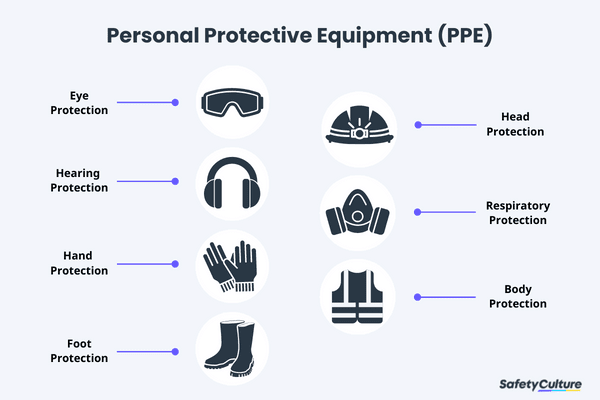
Safety products in Malaysia also known as Personal Protective Equipment (PPE) protect workers from hazards that could cause injury, illness, or long-term health issues. Industries like construction, manufacturing, oil and gas, and logistics rely on PPE not just for compliance but also for operational efficiency and workforce confidence.

High-quality safety products in Malaysia help:

  • Reduce workplace accidents and injuries
  • Ensure compliance with DOSH Malaysia regulations
  • Boost workforce morale and confidence
  • Prevent downtime due to accidents or safety violations

By choosing the right industrial safety equipment, companies can protect employees, reduce liability, and maintain productivity.

Common Types of Safety Products in Malaysian Worksites

Head Protection

Safety helmets and hard hats protect against falling objects, impact injuries, and electrical hazards. Essential for construction and industrial facilities. Browse Haisar helmets and head protection

Eye and Face Protection

Safety goggles, face shields, and welding masks safeguard workers from dust, sparks, chemicals, and debris.

Respiratory Protection

Masks and respirators protect workers from airborne particles, fumes, and hazardous substances. Using certified PPE in Malaysia ensures compliance with SIRIM standards.

Hand Protection

Industrial gloves protect against cuts, heat, chemicals, and abrasions. Choosing gloves suitable for your industry is critical.

Foot Protection

Safety shoes and boots protect against heavy objects, sharp debris, slips, and electrical risks.
Internal Link: Explore our safety footwear collection

Body Protection

Coveralls, flame-resistant clothing, and high-visibility vests provide full-body protection and visibility.

Fall Protection

Harnesses, lanyards, and lifelines are essential for working at heights, especially in construction and maintenance industries.

Infographic / Table: PPE vs Industries

PPE Type

Const

Manuf

Oil & Gas

Logis

Data.C

Helmets

Safety Shoes

Gloves

Eye Protection

Respiratory PPE

Fall Protection

High-Visibility Clothing


What Makes Quality Safety Products

Certifications and Standards

Ensure PPE complies with:

Certified safety products in Malaysia provide peace of mind and guarantee real-world protection.

Durability and Materials

High-quality PPE lasts longer, performs better, and protects consistently. Inferior materials compromise safety and increase long-term costs.

Comfort and Fit

Comfortable PPE encourages consistent use. Quality industrial safety equipment allows mobility and prolonged wear without discomfort.

Industries That Rely on Safety Products in Malaysia

  • Construction: Helmets, safety shoes, harnesses
  • Manufacturing: Gloves, eye protection, respiratory PPE
  • Oil & Gas: Flame-resistant clothing, gas masks
  • Warehousing & Logistics: High-visibility vests, safety footwear
  • Data Centres: Electrical safety PPE and footwear

Learn more about Haisar’s industry-specific PPE

Where to Buy Quality Safety Products in Malaysia

Trusted Local Suppliers

Benefits of buying from local suppliers:

  • Certified PPE
  • Immediate stock availability
  • Faster delivery in Johor and Malaysia
  • Technical guidance for choosing PPE

Haisar Supply & Services offers a wide range of PPE and compliance-ready safety solutions.

Online Marketplaces

Convenient but verify certification. Always ensure safety products in Malaysia meet legal standards.

Evaluating a Supplier

Choose suppliers that:

  • Provide certification documentation
  • Have industry experience
  • Maintain consistent stock
  • Support bulk orders

How to Choose the Right Safety Products

  1. Identify Workplace Hazards – falls, chemical exposure, electrical risk
  2. Match PPE to Risk – use certified PPE in Malaysia for each hazard
  3. Verify Compliance – SIRIM, DOSH, international standards
  4. Consult an Expert Supplier Haisar Supply & Services

Buying Tips

  • Always request certification
  • Avoid uncertified imports
  • Purchase based on environment, not price
  • Standardize PPE for all teams
  • Plan ahead for bulk procurement

Callout Box (Expert Tip)

Expert Tip: Always confirm that PPE is SIRIM and DOSH certified before purchase. Using uncertified products can result in fines, accidents, or downtime.

FAQs 

What safety products are required in Malaysia?

Helmets, gloves, safety shoes, eye protection, high-visibility clothing, and specialized PPE depending on the industry.

How can I verify PPE certification?

Look for SIRIM, DOSH, or international compliance marks. Learn more about SIRIM safety standards.

Is it better to buy locally?

Yes. Local suppliers provide faster delivery, better support, and compliance assurance.

Can SMEs buy PPE in bulk?

Yes. Many suppliers of safety products in Malaysia offer bulk pricing and project-based procurement options.

Conclusion

Investing in certified safety products in Malaysia protects your workforce, ensures compliance, and maintains productivity. Choosing high-quality PPE and working with trusted local suppliers like Haisar Supply & Services ensures your team stays safe.

Request a quotation today and secure your certified PPE in Johor don’t risk delays or non-compliance on your next project.


Safety Shoes Supplier Johor: How to Choose the Right Partner (and the Right Pair)

1. Why finding a reliable safety shoes supplier in Johor matters

In Johor, projects move fast. When schedules tighten, small problems become expensive problems especially when they involve safety. Safety shoes are not “just footwear.” They are PPE that protects your people from slips, sharp objects, heavy drops, and site conditions that change by the hour.

A reliable safety shoes supplier helps you do two things at once: reduce injury risk and keep work moving. The right supplier also saves you from last-minute “size-not-available” panic, inconsistent models, and paperwork that does not stand up to audits.

This guide walks you through what to look for both in the shoes and in the supplier so you can buy once, standardize well, and avoid repeat issues.

 WhatsApp us for a quick quote

1.1 Who this guide is for

What are S1, S2, S3, S4 and S5 safety shoes? - DASSY® workwear

If you are responsible for safety footwear decisions whether for a small crew or multiple sites this is for you. You already know the basics of PPE and compliance. What you usually need is practical clarity:

  • Which safety ratings match which hazards
  • Which shoe types work for Johor’s common site conditions
  • How to buy for teams without sizing chaos
  • How to compare suppliers beyond “cheapest price”

Think of this as a field guide: short explanations, clear checklists, and buying steps you can apply immediately.

1.2 Common buying mistakes in Johor projects

Most problems come from a few repeat mistakes:

Mistake 1: Buying by price only. A cheaper pair that fails early (or causes discomfort) can cost more through replacements, downtime, and complaints.

Mistake 2: Not matching hazards to the rating. Many teams buy “any safety shoe,” then discover it is wrong for wet floors, sharp debris, or outdoor work.

Mistake 3: No sizing plan. Bulk buying without fit trials leads to exchanges, delays, and wasted stock.

Mistake 4: Mixing too many models. When everyone wears a different shoe, reorders become messy and inconsistent.

Mistake 5: Weak documentation. If the supplier cannot provide clear compliance info, it creates audit headaches later.

  1. What a safety shoes supplier does

A good safety shoes supplier is more than a store that sells boots. In practice, the supplier should help you:

  • Translate hazards into specifications (rating, outsole type, toe cap, midsole protection, water resistance)
  • Offer the right categories and sizes consistently (so you can standardize)
  • Support bulk purchasing (fit trials, exchanges, reorder planning)
  • Deliver fast and reliably across Johor locations
  • Back the product with warranty guidance and after-sales support
  • Provide documentation you can keep for safety files and procurement records

If you want a quick starting point for available options, browse the Feet Protection category to see typical safety footwear ranges and types.

  1. Key industries in Johor that need safety shoes

Johor’s economy is built on active worksites each with different “foot risks.” The right supplier understands these environments and can recommend models that match them.

3.1 Construction and infrastructure

Construction sites often combine: uneven ground, wet patches, sharp debris, and heavy tools. Shoes usually need strong grip, toe protection, and puncture resistance, plus ankle support if the ground is rough.

3.2 Manufacturing and factories

Factories can involve: smooth floors, oil exposure, machine edges, and long standing hours. Comfort matters here because fatigue leads to mistakes. You typically need slip resistance, durable uppers, and good cushioning.

3.3 Warehousing and logistics

Warehouses involve: fast movement, pallet handling, and repetitive walking. Footwear needs to feel light but still protect from falling loads and slippery zones especially near loading bays.

For deeper role-by-role guidance, you can link readers to a supporting reference like By Industry.

  1. Benefits of buying from a local Johor supplier

Buying locally is not only about convenience. It reduces operational risk.

4.1 Faster delivery and stock availability

Local supply means fewer “waiting days” when something runs out. If a site expands headcount, you can restock faster. This matters because safety shoes are not optional if you cannot issue proper footwear, work slows down or stops.

A local supplier also tends to understand which sizes move fastest and can keep practical stock levels, not just “display items.”

4.2 On-site sizing and fitting support

Sizing is where bulk orders succeed or fail. Two people can wear the same size number but need different width or fit style. A supplier that supports fit trials helps you avoid a painful cycle of returns.

A good approach is simple:

  • Run a short sizing session for each crew group
  • Test 1–2 approved models
  • Confirm comfort after a few hours of wear

It is like choosing a helmet: it must fit properly, or it becomes a problem instead of protection.

4.3 Easy warranty and replacement process

Footwear is used hard. If a sole separates, stitching tears, or defects appear early, you want a clean process: clear warranty terms, quick assessment, and fast replacement.

Local support usually means you can resolve issues without long shipping delays or back-and-forth arguments. This reduces friction for both procurement and site supervisors.

4.4 Better support for urgent site needs

When a project timeline shifts, you may need extra pairs immediately—especially common sizes. A nearby supplier can often support urgent top-ups and help you avoid site delays.

  1. How to choose the right safety shoes for your work

Selecting safety shoes is like selecting a tool: you match the tool to the job. Below is a simple, repeatable method.

If you want an additional reference for features and selection tips, link to a broader guide such as Safety Shoes Guide.

5.1 Step 1: Match shoes to site hazards

Start with hazards, not brands. Ask:

  • Are floors often wet or oily?
  • Is there sharp debris like nails, metal scraps, or rebar?
  • Do workers face heavy drops or rolling objects?
  • Is work mostly outdoor or indoor?
  • Are there hot surfaces, welding sparks, or heat exposure?

Then translate hazards into features:

  • Wet/oily floors → high slip resistance, suitable outsole compound
  • Sharp debris → puncture-resistant midsole
  • Heavy drops → toe protection and strong upper
  • Outdoor works → durable build and water resistance
  • Hot work → heat-resistant outsole when required

A practical tip: walk the site. If your shoes slip during a quick check, your team will slip during a long shift.

5.2 Step 2: Choose the right safety rating (S1, S1P, S2, S3)

Safety ratings help you standardize. In simple terms:

  • S1: Basic protection (often includes toe protection and anti-static features) for drier indoor environments.
  • S1P: S1 + puncture resistance (useful for sites with sharp debris).
  • S2: Adds water resistance (often better for wet conditions, depending on design).
  • S3: Stronger all-round choice for many sites—commonly includes toe protection, puncture resistance, and better outsole properties.

Think of ratings like vehicle categories: a sedan can handle city roads, but you do not send it into a muddy construction zone when you need a 4x4.

5.3 Step 3: Pick toe protection (steel vs composite)

Toe protection is often non-negotiable.

  • Steel toe: Classic choice, strong and widely used.
  • Composite toe: Lighter and does not conduct electricity the same way steel can; often preferred when weight and comfort are priorities.

Selection is usually about site needs and comfort expectations, not “which is better.” If workers complain about weight and fatigue, composite toe options can reduce resistance to wearing the shoes properly.

5.4 Step 4: Check outsole needs (slip, oil, heat)

Outsoles are your “tire grip.” If the outsole fails, the shoe fails.

Key checks:

  • Slip resistance for smooth floors, rain, and oily zones
  • Oil resistance for workshops and industrial areas
  • Heat resistance for hot work conditions (when applicable)
  • Tread pattern that suits the environment (deep tread for rough ground; stable tread for smooth surfaces)

A simple analogy: you would not use racing tires on a muddy road. Same idea.

5.5 Step 5: Prioritize comfort for long shifts

Comfort is not a luxury comfort is compliance. If shoes are painful, workers will loosen laces, swap footwear, or stop wearing them properly.

Look for:

  • Good cushioning and support
  • Breathable materials for humid days
  • Correct sizing and width options
  • Weight that suits long walking/standing roles

A good supplier helps you test fit and choose models that people will actually wear.

  1. Types of safety shoes commonly supplied in Johor

Production of Industrial Safety Leather Shoes. Safety Shoes Manufacturing  Project. Safety Footwear Production Plant. | PPTX

Most suppliers in Johor offer these practical categories. Choosing the right type helps you standardize and simplify reorders.

6.1 Low cut safety shoes

Best for many indoor roles: factories, warehouses, and logistics. Low cut shoes often feel lighter and allow easier movement. They are useful when:

  • The ground is mostly even
  • The job involves lots of walking
  • Ankle support is not the main concern

They can still include toe protection and puncture resistance, depending on model and rating.

6.2 Mid cut safety shoes

Mid cut options balance flexibility and ankle support. They often fit mixed environments some indoor work, some outdoor walking. Mid cut is popular when:

  • Floors vary (smooth inside, rough outside)
  • Work includes carrying loads and climbing
  • You want added ankle stability without “heavy boot” fatigue

6.3 High cut safety boots

High cut boots are common for heavy-duty and outdoor work. They provide stronger ankle support and often pair well with rough terrain. They suit:

  • Construction and infrastructure sites
  • Outdoor maintenance work
  • Wet or uneven ground conditions

High cut does not automatically mean “better,” but it often means “more support” for challenging ground.

6.4 Waterproof and outdoor safety boots

For outdoor sites during rainy periods, waterproof boots reduce discomfort and skin issues caused by constant wet socks. Look for:

  • Water-resistant uppers
  • Sealed seams (when available)
  • Outsole grip designed for wet ground

Be realistic: “water resistant” is not always “fully waterproof.” A good supplier should explain the difference clearly.

6.5 ESD and anti-static safety shoes

These are important in environments with sensitive electronics or where static control matters.

  • Anti-static helps reduce static build-up in general environments.
  • ESD footwear is designed for more controlled static discharge conditions.

If you see searches like “ESD safety shoes Johor” or “anti-static safety shoes Malaysia,” it usually signals controlled work areas or electronics-related processes.

  1. What to check before you buy (quality checklist)

Before you commit especially for bulk purchases use this checklist. It reduces surprises after delivery.

7.1 Certification and compliance labels

Ask for clear, consistent information:

  • Safety rating (S1/S1P/S2/S3)
  • Slip resistance markings (where applicable)
  • Any ESD/anti-static identification
  • Product documentation that matches the model delivered

A practical rule: if the supplier cannot explain the rating simply, treat it as a red flag.

7.2 Material quality and stitching

Look at the shoe like you would look at a safety harness details matter:

  • Clean stitching without gaps
  • Strong bonding between upper and sole
  • Durable toe area protection
  • Material that matches the environment (e.g., tougher uppers for rough sites)

7.3 Midsole puncture protection (steel vs fabric)

If your site has nails, sharp metal, or debris, puncture resistance matters.

  • Steel midsole: traditionally strong; can add weight.
  • Fabric/kevlar-type midsole: lighter; can improve comfort, depending on design.

Either can work if it matches the hazard profile and the shoe rating.

7.4 Grip test: outsole pattern and compound

Do a simple, practical check:

  • Press the outsole; it should not feel overly hard and slippery
  • Look at tread pattern; does it fit your floor type?
  • Consider where the job happens (oil, rain, smooth epoxy floors)

It is like checking a ladder’s feet: if the base slips, the rest does not matter.

7.5 Size accuracy and fitting policy

For bulk orders, confirm:

  • Size chart consistency across models
  • Exchange process (time window, conditions)
  • Whether the supplier supports fit trials
  • How they handle odd sizes and special requests

A supplier with a clear exchange process saves you time and reduces friction with site teams.

  1. How to compare suppliers in Johor

Supplier comparison should be more than “who is cheapest.” Use a balanced scorecard: range, reliability, support, and speed.

8.1 Stock range and brand options

A good supplier can offer:

  • Low/mid/high cut options
  • Common safety ratings
  • Multiple fit styles (to suit different feet)
  • Continuity for repeat orders (same model availability)

A wide range matters because one shoe does not fit every job role.

8.2 Pricing: contract vs retail

Ask for clarity:

  • Retail vs bulk pricing tiers
  • Contract pricing for repeat orders
  • What is included (delivery, exchange support, documentation)

Sometimes the best deal is not the lowest unit price—it is the lowest total friction.

8.3 Delivery coverage (JB, Kulai, Pasir Gudang, Pontian, etc.)

Delivery is where plans succeed or fail. Confirm:

  • Delivery cut-off times
  • Typical lead times by location
  • Options for urgent restocks
  • Packaging and labeling (helpful for distribution to crews)

8.4 After-sales support and returns

Support matters after the invoice is paid. Check:

  • Warranty handling
  • Exchange process
  • Responsiveness to issues
  • Clear communication (no guessing games)

8.5 Ability to handle bulk orders

Bulk capability is a real difference-maker. Ask if they can:

  • Support fit trials
  • Consolidate sizes and labeling
  • Provide reorder support
  • Keep steady stock for your approved models

If you want supporting context for evaluating broader PPE supply reliability, a relevant internal reference is PPE Supplier.

  1. How to buy safety shoes for a team (bulk purchase guide)

Bulk buying can be smooth or painful. Here is a process that keeps it smooth.

9.1 Step 1: Collect job roles and hazard profiles

Group people by work type:

  • Heavy site work (construction/outdoor)
  • Indoor production/factory work
  • Warehouse/logistics
  • Mixed role supervisors

Then match each group to hazard needs. This helps you avoid buying one “average” shoe that fits no one.

9.2 Step 2: Run a sizing day and fitting trial

Do a short fitting session:

  • Confirm size and width
  • Let workers walk and bend
  • If possible, trial for a few hours

This reduces exchange rates and complaints. It also shows you respect comfort and compliance both matter.

9.3 Step 3: Standardize 2–3 approved models

Aim for a short approved list:

  • Model A for heavy outdoor work
  • Model B for indoor production
  • Model C for warehouse/light duty (optional)

This makes reorders simple. It also helps with consistent appearance and predictable budgeting.

9.4 Step 4: Plan for spares and replacements

Plan spares like you plan spare helmets:

  • Keep a buffer of common sizes
  • Set a replacement rule (e.g., heavy wear roles replace earlier)
  • Track issues (sole wear, toe damage, upper tears)

9.5 Step 5: Set a reorder system

Set a simple system:

  • Who approves reorders
  • Minimum stock level by size
  • Monthly or quarterly review
  • Preferred delivery schedule

This turns footwear into a controlled supply chain item, not a last-minute scramble.

  1. Delivery, lead times, and service expectations in Johor

Delivery is part of safety performance. If footwear arrives late, compliance suffers.

10.1 Same-day vs next-day delivery scenarios

Same-day delivery may work when:

  • The supplier has local stock
  • The sizes are common
  • The request is placed early

Next-day is more realistic for:

  • Larger quantities
  • Multiple site locations
  • Mixed sizes and models

Clarify cut-off time. A “fast supplier” is one that gives clear timelines, not vague promises.

10.2 Typical lead times for special sizes

Special sizes or less common models may require extra time. Plan ahead for:

  • Very small or very large sizes
  • Extra wide fits
  • Specialty footwear (ESD-specific, certain materials)

If you standardize models early, lead times become predictable.

10.3 How to avoid project delays

Three simple habits prevent delays:

  1. Keep a buffer stock for common sizes
  2. Standardize models and document specs
  3. Reorder before stock hits zero (set a minimum level)

If you treat safety shoes like critical spare parts, downtime drops.

  1. Care and maintenance to extend shoe lifespan

Safety shoes last longer when teams care for them properly simple habits make a big difference.

11.1 Daily cleaning routine

A quick routine:

  • Brush off debris
  • Wipe with a damp cloth
  • Clean soles to maintain grip
  • Check for cuts, loose stitching, and sole separation

Five minutes a day can prevent early failure.

11.2 Drying and storage

Dry shoes properly:

  • Do not leave them soaked in a corner
  • Avoid direct extreme heat that can damage materials
  • Use a ventilated space
  • Rotate pairs when possible in heavy wet work

11.3 When to replace safety shoes

Replace when you see:

  • Worn-out grip (slip risk increases)
  • Sole separation
  • Toe cap exposure
  • Deep cracks or tears
  • Loss of cushioning causing pain and fatigue

A worn outsole is like a bald tire. It might still “work,” but it is no longer safe.

11.4 Common damage causes and how to prevent them

Common causes: dragging toes, chemical exposure, poor drying, and using the wrong shoe for the job. Prevention is mostly matching the right type to the environment and keeping basic care habits.

  1. Price guide: what affects safety shoe cost in Johor

Prices vary, and the reasons are usually predictable.

12.1 Safety rating and materials

Higher ratings and stronger materials often cost more because they add:

  • Better midsoles
  • Stronger uppers
  • More durable outsoles
  • More protective components

12.2 Comfort features and weight

Lightweight shoes, better cushioning, and breathable designs may cost more. But they can reduce complaints and improve wear compliance often worth it for long shifts.

12.3 Brand, warranty, and support

Reliable warranty handling and consistent stock come with cost. What you are really paying for is reduced risk: fewer failures, fewer delays, and fewer disputes.

12.4 Bulk discount expectations

Bulk discounts often depend on:

  • Quantity per model
  • Standardized sizes
  • Repeat ordering
  • Contract terms

The best savings usually come from standardization, not from negotiating one-time discounts.

  1. Frequently asked questions (FAQ)

13.1 Which rating is best for construction sites?

For many construction environments, S1P or S3 is often a practical starting point because puncture resistance matters when sharp debris is common. If the site is frequently wet or muddy, choose options that handle water exposure better and provide strong grip. Always match the rating to real hazards, not assumptions.

13.2 Steel toe vs composite: which is better?

Neither is “always better.” Steel toe is widely used and strong. A composite toe is often lighter and can feel more comfortable for long shifts. Choose based on work conditions, comfort needs, and whether weight reduction improves compliance for your team.

13.3 How do I know if shoes are genuine and compliant?

Ask for clear product identification and documentation that matches the exact model delivered. Check rating markings and consistency across cartons, labels, and product information. A reliable supplier can explain the rating and provide supporting details without hesitation.

13.4 Do you provide size exchange for bulk orders?

A good bulk process includes an exchange plan. Confirm the exchange window, the condition requirements, and whether the supplier supports fit trials before the full order. Fit trials reduce exchanges dramatically and keep the rollout smooth.

13.5 How fast can you deliver in Johor?

Delivery speed depends on stock, order size, and location. Many suppliers can deliver quickly for common sizes if the order is placed early and stock is available. For mixed sizes or larger quantities, next-day delivery is more realistic. Always confirm cut-off time and delivery coverage.

13.6 What is ESD and who needs it?

ESD footwear helps control static discharge in sensitive environments, especially where electronics, components, or static-sensitive processes are involved. If your workplace has ESD zones or static control requirements, ESD footwear is often part of the overall control plan. If not, standard anti-static footwear may be sufficient depending on the site policy.

  1. Conclusion: quick checklist + next steps

Choosing a safety shoes supplier in Johor is not only about buying boots. It is about building a reliable supply line that keeps teams protected and projects moving.

14.1 5-point buying checklist recap

Use this quick checklist before you commit:

  1. Hazard match: shoe features match site risks (slip, puncture, wet, heat)
  2. Correct rating: S1/S1P/S2/S3 chosen with clear reasoning
  3. Fit plan: sizing day or fit trial before full bulk order
  4. Supplier readiness: stock continuity, delivery coverage, clear timelines
  5. After-sales clarity: warranty and exchange process is simple and written

If you follow these five points, you reduce the most common causes of delays, complaints, and non-compliance.

14.2 request quote / site support

If you are ready to standardize models, plan a bulk purchase, or confirm availability for Johor sites, the fastest next step is to request a quotation with your specs and quantities. Use the Get Quote page to share your requirements (rating, type, toe cap preference, sizes, delivery location), and get back a clear proposal you can act on quickly.

frequently asked questions (FAQs)

1) Which safety rating is best for construction sites in Johor (S1P or S3)?

For most construction sites, S1P or S3 is a safe starting point because sharp debris is common. S1P focuses on puncture resistance for dry-to-mixed sites. S3 is often chosen when the site is more demanding (mixed ground, wet areas, rough outdoor conditions). The best choice depends on your hazard list and ground conditions.

2) What is the difference between S1, S1P, S2, and S3 safety shoes?

Think of ratings like “levels” of protection. S1 suits drier indoor work with basic protection. S1P adds puncture resistance (useful if nails and sharp scraps are present). S2 adds stronger water resistance for wet environments. S3 usually combines puncture resistance plus better outsole features for tougher, mixed site conditions.

3) Steel toe vs composite toe: which one should we choose for our team?

Both protect the toes, but they feel different. Steel toe is a classic, strong option used widely. Composite toe is usually lighter and can be more comfortable for long shifts. If your team walks and stands for many hours, composite toe may reduce fatigue and complaints. Choose based on job demands, comfort goals, and site rules.

4) Do we need puncture-resistant midsoles for our site (and what types exist)?

If your site has nails, rebar tie wire, metal scraps, or sharp debris, puncture resistance is strongly recommended. It helps prevent “through-the-sole” injuries, which are painful and disruptive. Common options include steel midsoles (durable, slightly heavier) and fabric/kevlar-style midsoles (often lighter and more flexible). Pick what fits your environment and comfort needs.

5) What slip-resistance features should we look for on wet or oily floors?

Start with the outsole: slip resistance depends on rubber compound + tread pattern, not looks alone. For wet or oily areas (workshops, loading bays, factories), choose shoes designed for oil/slip conditions and avoid overly hard, smooth soles. A simple test is practical too: if the outsole feels like hard plastic, it often performs worse on slick floors.

6) What is ESD safety footwear, and who needs ESD shoes?

ESD footwear helps control static discharge in controlled areas. It is common in electronics, assembly, testing labs, and sensitive production zones. If your workplace has marked ESD areas or requires static control, ESD shoes help protect components and reduce risk. If you do not have ESD requirements, standard anti-static footwear may be sufficient depending on policy.

7) How can we verify the shoes are genuine and compliant (labels, docs, certifications)?

Ask for clear product identification that matches what you receive: model name/number, safety rating, and consistent labeling on the shoe, box, and invoice. A reliable supplier should be able to explain the rating and provide supporting documents or product info. If details are vague or inconsistent, treat it as a red flag before you place a bulk order.

8) Can we arrange sizing and fitting trials before a bulk purchase?

Yes this is one of the best ways to reduce problems later. A fitting trial helps you confirm size accuracy, width comfort, and real-world feel during movement. Even a short on-site session can cut exchanges and complaints. It also helps you choose 2–3 models that most workers will accept, making standardization and reordering much easier.

9) Do you provide size exchange for bulk orders, and what are the rules?

A good supplier should have a clear exchange policy. Before ordering, confirm the exchange window, whether shoes must be unused, and how they handle mixed sizes in bulk orders. The goal is to prevent delays during rollout. If the exchange process is unclear, run a fit trial first and order a smaller batch for confirmation.

10) How fast can you deliver across Johor (JB, Kulai, Pasir Gudang, Pontian), and what are the lead times for special sizes?

Delivery speed depends on stock availability, order size, and cut-off time. For common sizes in stock, local delivery may be same-day or next-day. For large quantities, special sizes, or specific models, lead time may be longer. To avoid delays, standardize your models early and keep a small buffer stock of fast-moving sizes.


Full Body Harness in Johor: How to Choose, Wear, and Maintain the Right One

1. Introduction

If you manage work at height in Johor, you already know this feeling: one small shortcut can turn into a big incident. A full body harness isn’t just “another PPE item.” It’s more like a seatbelt for height work simple, but it only works when it fits, connects correctly, and gets used the right way.

Johor sites can be fast-moving: maintenance jobs, construction, factory work, roof access, scaffolding, tanks, and shutdown projects. That’s why many teams search for full body harness Johor, safety harness Johor Bahru, or even safety harness JB when they need quick stock, the right specs, and a clean full body harness quotation process.If you’re browsing options, a good shortcut is to start from a category page like Safety Harness and filter by job type. Haisar

 WhatsApp us for a quick quote

1.1 Who needs it and where it’s used

Safety Harnesses: The ultimate guide to working at height!

A working at heights harness is commonly used for roof work, scaffolding, tower climbing, maintenance on platforms, and certain confined space tasks that involve vertical entry. You’ll also see it in factories with overhead crane walkways, mezzanines, loading areas, or anywhere a worker can fall from an edge. DOSH guidance emphasizes avoiding height work where possible, and using proper prevention or protection measures when it’s not. Dosh

1.2 What this guide will help you choose

In this guide, I’ll break down what a harness is, what to look for (fit, parts, standards), how to wear it step-by-step, and how to buy smarter in Johor—without wasting time on the wrong model.

  1. What Is Full Body Harness?

A full body safety harness (also called a safety harness or fall arrest harness) is a wearable system of straps designed to catch and hold the body safely if a fall happens. It spreads force across stronger parts of the body thighs, pelvis, shoulders so the load isn’t focused on one dangerous point.

In most workplaces, when people say “tali keselamatan” or “harness keselamatan,” they mean the full body type used for fall arrest. That’s different from a simple belt or “tali pinggang keselamatan” used only for positioning. A proper fall arrest harness is typically built to meet standards like EN 361, which covers requirements and testing for full body harnesses used in fall arrest situations. satra.com

Think of it like this: a helmet protects your head from impact. A full body harness protects your whole body from a fall but only when it’s part of a complete fall protection system (harness + connector + anchorage + plan).

  1. Why Full Body Harness Matters for Working at Height

Falls don’t “warn” you. A wet boot sole, a loose plank, a rushed step backward suddenly you’re off balance. A good fall protection harness gives you a second chance when everything goes wrong in one second.

3.1 Common fall hazards at job sites

Here are the usual trouble spots I see in real projects:

  • Roof edges and fragile skylights (roof work safety harness scenarios)
  • Scaffolding gaps and incomplete decking (scaffolding safety harness needs)
  • Ladders and temporary access where 3-point contact gets ignored
  • Platforms and mezzanines with missing guardrails during maintenance
  • Tank tops / confined areas where entry/exit is vertical and tight
  • Loading bays and raised dock edges, especially during rain

DOSH highlights avoiding height work where possible, and if not, using proper systems to prevent falls or reduce risk. Dosh

3.2 What can go wrong with the wrong harness

A cheap or wrong-spec harness can fail in quiet ways:

  • Wrong D-ring used → body position becomes unsafe during arrest
  • Poor adjustment → you can slip out or suffer higher arrest forces
  • Weak stitching or worn webbing → hidden failure risk
  • No energy absorber → the stopping force becomes harsh on the body

A harness isn’t the place to “try luck.” In purchasing terms: one wrong selection can cost far more than the savings.

  1. Key Parts of a Full Body Harness

A harness looks simple, but every part has a job. Knowing the basics helps you choose faster and train users better.

4.1 D-ring positions and what they do

What are the different D-rings or loops on a harness used for? — jspsafety  Support

  • Dorsal (back) D-ring: the most common attachment point for fall arrest.
  • Sternal (front/chest) D-ring: often used for certain climbing systems or vertical setups (depending on system design).
  • Side D-rings: usually for work positioning—not fall arrest unless the system specifically allows it.
  • Rescue/shoulder loops (some models): can support assisted rescue or vertical handling.

If you remember one rule: attach to the correct point for the job, not the closest point.

4.2 Straps, buckles, and padding

  • Shoulder straps + leg straps hold the body in a safe shape.
  • Chest strap keeps shoulder straps positioned correctly.
  • Buckles (tongue or quick-connect) affect speed and consistency.
  • Padding improves comfort and reduces “hot spots” during long shifts.

Comfort isn’t luxury if it hurts, people loosen it, and then it fails its purpose.

4.3 Lanyards, lifelines, and connectors

A harness is only one part. You also need:

  • Lanyard (often with an energy absorber lanyard)
  • Connectors/hooks (including large hook lanyard options)
  • Anchorage point / lifeline / SRL depending on the task
    Energy absorbers are commonly covered under standards like EN 355, which defines requirements for energy absorbers in fall arrest systems. satra.com
  1. Types of Full Body Harness

Essential Safety Harness Guide: Choosing The Right One For Your Needs

Not all harnesses are built for the same work. Here’s a simple way to sort them.

5.1 Basic construction harness

This is the “daily driver” for many sites. Usually a dorsal D-ring, simple buckles, and basic padding. Good for general construction safety harness use where the work is straightforward and training is consistent.

5.2 Tower and scaffolding harness

For tower climbing and frequent movement, look for:

  • Better padding
  • Easy-adjust buckles
  • Compatibility with climbing systems
    This supports tower climbing harness and scaffolding work where workers move a lot and need stable attachment options.

5.3 Confined space harness

A confined space harness often includes features that support vertical entry and retrieval. The goal is safer handling during entry/exit and rescue assistance (based on your rescue method).

5.4 Rescue harness

Rescue-focused harnesses support controlled lifting/lowering and safer body positioning during recovery. If your sites have vertical hazards, rescue planning should not be optional.

  1. How to Choose the Right Full Body Harness in Johor

Buying in Johor often comes down to speed + correctness. Here’s the checklist I’d use if I had to choose today.

6.1 Match the harness to your job type

Start with the task:

  • Roof edge work → fall arrest focus, comfortable long wear
  • Scaffolding → movement-friendly and easy adjustment
  • Tower climbing → climbing compatibility and reduced snag points
  • Confined space → harness suited to entry/retrieval plan

If you’re browsing options, a good shortcut is to start from a category page like Safety Harness and filter by job type. Haisar

6.2 Choose the correct size and fit

Sizing mistakes are common especially when ordering in bulk.

  • Choose a size range that fits your workforce (S–XL is not “one size fits all”).
  • Make sure leg straps sit correctly (snug, not cutting).
  • Chest strap should sit mid-chest, not up at the neck.

Quick field test: you should fit a flat hand under straps, but not a fist.

6.3 Comfort features that matter for long hours

If your team wears it for hours, prioritize:

  • Shoulder/leg padding
  • Breathable webbing design
  • Quick-connect buckles for consistent fit
  • Lightweight hardware (without losing strength)

Comfort is like a good pair of safety shoes: the best ones disappear while you work.

6.4 Weight rating and load limits

Check the manufacturer’s user weight range (including tools carried). This is where procurement can prevent silent non-compliance especially for heavier users or tool-heavy tasks.

6.5 Certification and compliance checklist

Ask for clear proof, not vague claims:

  • Harness standard: EN 361 full body harness marking/documentation satra.com
  • Lanyard/absorber standard: EN 355 lanyard / energy absorber satra.com
  • Traceability: model, batch/serial, manufacturer instructions
  • Documentation: datasheet, inspection guidance, user manual
  • If you’re sourcing locally, many buyers also ask about SIRIM safety harness documentation where applicable (or supplier support for compliance paperwork). Haisar+1

If you want a real product example to compare against your spec sheet, see a listing like Full body. Haisar

  1. Benefits of Using a Quality Harness

A quality harness does more than “tick the PPE box”:

  • Reduces incident risk by improving reliability and correct use
  • Improves compliance readiness (documents are easier to organize)
  • Cuts downtime because teams work with confidence
  • Increases adoption because workers don’t fight the gear
  • Supports standardization across sites (same model, same training)

In short: better harnesses often reduce the “hidden costs” of rework, replacements, and arguments on site.

  1. How to Wear a Full Body Harness Correctly (Step-by-Step)

Wearing a harness is like tying a parachute simple steps, zero room for guessing.

8.1 Pre-wear inspection

Before every use:

  • Check webbing for cuts, frays, burns, chemical damage
  • Inspect stitching (look for broken threads)
  • Check buckles and D-rings for cracks, corrosion, deformation
  • Confirm labels are readable (standards + ID)

If something looks off, tag it out. Don’t “try one more time.”

8.2 Put it on in the right order

  1. Hold the dorsal D-ring and shake the harness to untangle straps.
  2. Slip on shoulder straps like a vest.
  3. Fasten chest strap (not too high).
  4. Pull leg straps through and buckle each side.
  5. Check straps are not twisted.

Pro tip: twisted straps reduce comfort and can affect loading during a fall.

8.3 Adjust for a secure fit

  • Tighten leg straps so they’re snug but allow movement
  • Shoulder straps should sit flat (no gaps)
  • Keep extra strap tails tidy (use keepers)

If it feels “loose like a jacket,” it’s too loose.

8.4 Final safety check before climbing

  • Confirm correct attachment point (usually dorsal D-ring for fall arrest)
  • Confirm connector is locked and compatible
  • Confirm anchorage is suitable for fall arrest
  • Confirm clearance below (avoid hitting levels/structures)
  • Confirm rescue plan exists

A harness without a plan is like a fire extinguisher with no exit route.

  1. Harness Inspection and Maintenance

A harness can look “fine” and still be unsafe. Your system needs both daily checks and scheduled inspections.

9.1 Daily checks before use

Keep it simple:

  • Webbing + stitching + hardware + labels
  • Check lanyard/absorber condition
  • Ensure hooks close and lock properly
  • Confirm no contamination (oil, paint, harsh chemicals)

9.2 Weekly/monthly inspection routine

Set a routine based on usage and environment:

  • High-use / harsh sites → more frequent formal checks
  • Record results (date, inspector, findings, action)
  • Track serial numbers to avoid “mystery harnesses”

This is especially helpful when you manage multiple Johor sites.

9.3 Cleaning and storage tips

  • Clean with mild soap and water (follow manufacturer guidance)
  • Dry away from direct sunlight/heat
  • Store in a clean bag or cabinet
  • Keep away from chemicals, sharp edges, and welding sparks

9.4 When to retire a harness

Retire it if:

  • It arrested a fall
  • Labels are unreadable
  • Webbing is cut/burned/chemically damaged
  • Hardware is deformed or won’t lock

When in doubt, retire it. The cost is small compared to the risk.

  1. Common Mistakes to Avoid

Small mistakes repeat because they “seem fine”… until they’re not.

10.1 Wrong D-ring use

Using side rings for fall arrest (when not designed for it) is a classic error. Match the attachment point to the system and task.

10.2 Loose straps and poor adjustment

Loose harnesses increase movement during arrest and can cause injury. Train users to fit it consistently.

10.3 Using damaged lanyards or hooks

A damaged double hook lanyard or worn absorber can fail when it matters most. If you need 100% reliability, the inspection habit must be 100% too.

10.4 Skipping training and rescue planning

Even the best industrial fall protection gear fails if users don’t know how to wear it or what to do after a fall.

  1. Training and Rescue Planning Basics

Fall arrest is not the end of the story. After a fall, rescue speed matters.

11.1 Why rescue planning is necessary

A suspended worker can’t wait “until later.” Have a rescue method ready and practiced. DOSH guidance focuses on preventing falls and using proper controls—rescue planning supports that by closing the loop when prevention fails. Dosh

11.2 Basic rescue kit checklist

Common items (based on your site system):

  • Rescue lanyard/rope system
  • Suitable connectors
  • Knife (for emergency cutting where approved)
  • Communication plan
  • First-aid readiness
  • Trained team roles

11.3 Simple site rescue plan template

Keep it 1 page:

  1. Hazard area + access points
  2. Anchors available
  3. Rescue method (lowering/raising)
  4. Who does what (names/roles)
  5. Emergency contacts + nearest medical route
  6. Practice schedule
  1. Where to Buy Full Body Harness in Johor

If you’re searching “buy full body harness Johor” or comparing safety harness price Johor, here’s how to buy without regret.

12.1 What to check before purchasing

  • Stock availability + lead time
  • Correct standards and documents
  • Spare parts / replacement availability
  • Ability to standardize models across sites
    A helpful starting point is a curated page like Working at Heights so you’re not hunting item-by-item. Haisar

12.2 Questions to ask suppliers

Ask these before issuing a PO:

  • “Is this EN 361, and can you share documentation?”
  • “Which lanyard works with this harness (EN 355)?”
  • “What’s the user weight range?”
  • “What’s the warranty and inspection guidance?”
  • “Can you support sizing for our workforce?”

If you need pricing fast, go straight to a form like Get Quote and include model, quantity, site, and delivery timing. Haisar

12.3 Delivery, sizing support, and after-sales service

The best suppliers help you use the product, not just buy it:

  • Size recommendations and trials
  • Quick replacements and consistent stock
  • Documentation for audits/tenders
    For a broader buyer guide on Johor suppliers, you can also reference a page like PPE guide. Haisar
  1. FAQ: Full Body Harness Johor

13.1 How long can a harness last?

It depends on use and environment. Heavy daily use, heat, chemicals, and UV shorten life. Follow manufacturer guidance, keep inspection records, and retire it after any fall arrest.

13.2 Can one harness be shared between workers?

It can, but it’s not ideal. Fit varies, comfort drops, and accountability becomes messy. If sharing is unavoidable, control sizing, sanitize properly, and track who used it.

13.3 What’s the difference between harness and safety belt?

A full body harness is designed for fall arrest and spreads load across the body. A belt is often for positioning and may not be safe for fall arrest unless it’s part of a rated system.

13.4 Do I need a shock absorber lanyard?

For many fall arrest setups, yes. An energy absorber helps reduce arrest forces. Standards like EN 355 cover energy absorbers used in fall arrest systems. satra.com

13.5 How often should inspection be recorded?

Do a quick visual check every use, and record formal inspections on a schedule (often monthly/quarterly depending on risk and usage). High-risk work should have tighter control.


How to choose the best Safety Equipment Supplier In Malaysia: Avoid RM500k Fines

  1. Introduction

Looking for a safety equipment supplier in Malaysia? Learn what suppliers do, the latest OSHA (Act 514) compliance updates, penalties, and how to choose reliable PPE and industrial safety products plus tips for quotes and tenders. If you manage safety or procurement, you already know this: safety gear isn’t “extra.” It’s the seatbelt of your workplace. A reliable safety equipment supplier in Malaysia helps you protect people, pass audits, and keep projects moving without last-minute panic buying or compliance gaps.

 WhatsApp us for a quick quote

  1. What Is a Safety Equipment Supplier in Malaysia?

A safety equipment supplier is a business that sources, stocks, and supports workplace protection products things like PPE, fall arrest systems, eye/face protection, respiratory gear, and safety signage. Many suppliers also do the “behind-the-scenes” work that matters just as much: helping you pick the right spec, providing documentation, and advising on standards.

Think of a supplier like a good mechanic not just selling parts, but making sure the parts actually fit your “machine” (your site, your hazards, your workforce, your SOPs). A strong safety gear supplier Malaysia typically supports multiple industries and understands local compliance expectations, so you don’t end up with the wrong glove rating, the wrong respirator filter, or missing paperwork during inspection.

  1. Why Businesses Need Reliable Safety Equipment Suppliers

Two male workers in safety helmets and reflective vests having discussion in  industrial factory setting, with machinery and equipment in background,  conveying teamwork and safety awareness 69692114 Stock Photo at Vecteezy

A reliable supplier saves you from three painful problems:

  1. Risk: Wrong or low-quality gear can fail at the worst moment.
  2. Delays: Out-of-stock PPE can stop work, especially for high-risk tasks like confined space entry or work at height.
  3. Non-compliance: Missing certificates, unclear standards, or poor documentation can turn a small issue into a big penalty.

In practice, many teams don’t just need a shop. They need a partner who can support purchases across sites, provide consistent brands and sizing, and respond fast when a project ramps up. That’s why companies often look for a ppe distributor Malaysia with both product depth and technical support—especially when they must meet tender requirements or internal audit standards.

  1. Malaysia-Specific Workplace Safety Laws & Penalties

Amendments to Occupational Safety and Health Laws | Donovan & Ho

Malaysia’s workplace safety framework has become stricter and broader in recent years, especially with updates tied to the Occupational Safety and Health Act 1994 (Act 514) and the Occupational Safety and Health (Amendment) Act 2022 (Act A1648).

4.1 OSHA updates apply broadly

One of the biggest shifts: the amended OSHA applies to all places of work throughout Malaysia, including public services and statutory authorities, with limited exceptions. osh-isis.com+1

Just as important: the Amendment Act was set to come into operation on 1 June 2024 (not “someday later”). Skrine - Advocates & Solicitors+1

What this means on the ground:
Even if your workplace used to sit outside the “usual” industrial list, the baseline duties (policy, hazard control, training, cooperation, PPE use) now matter across the board. So the supplier you choose can’t be “just a store”—they need to understand compliance expectations across different work environments.

Also, enforcement is not theoretical. Malaysia’s Department of Occupational Safety and Health (DOSH) carries out enforcement activities to ensure safety and health at work. Dosh

4.2 Mandatory safety roles and risk assessments

Two practical requirements that often affect purchasing and documentation:

  1. A) Risk assessment is now explicitly required
    Under Section 18B, employers, self-employed persons, or principals must conduct a risk assessment for safety and health risks and implement controls where needed. The Act even defines risk assessment as evaluating hazards and deciding control measures. osh-isis.com

This matters for procurement because your risk assessment should drive your PPE and safety equipment choices. For example:

  • If you identify splash risk from chemicals, you may need chemical goggles + face shield + chemical-resistant gloves (not basic cotton gloves).
  • If your assessment flags silica dust exposure, you may need a respirator program and the right filter class—plus fit testing where applicable.
  1. B) Safety roles: SHO, OSH Coordinator, and Safety & Health Committee
  • Some workplaces must appoint a Safety and Health Officer (SHO) under Section 29, depending on class/type published by the Minister. osh-isis.com
  • If your workplace is not in the class that requires an SHO, and you have five or more employees, you must appoint an Occupational Safety and Health Coordinator (Section 29A). osh-isis.com
  • If you employ 40 or more persons, you must establish a Safety and Health Committee (Section 30), or if directed by the Director General. osh-isis.com

A good supplier supports these requirements by providing training guidance, product selection aligned to hazards, and documentation you can use in committee discussions or audits.

4.3 Designated plants require Certificates of Fitness

If you operate certain higher-risk “plants” (think boilers, pressure equipment, hoisting systems), the law now expects a tighter control approach.

The amended OSHA includes provisions to prescribe plant requiring a Certificate of Fitness (CF) (Section 27B) and rules that you must not operate prescribed plant without a CF (Section 27D). osh-isis.com

In practice, suppliers often support this area by providing compliant accessories, inspections support contacts, and correct specification for parts that affect safety (like pressure relief components, safety hooks, harness anchor devices, etc.). DOSH resources also highlight CF needs for equipment like steam boilers and pressure vessels and outline the CF process. Health and Safety Department+1

4.4 Penalties for non-compliance are stricter

This is where many companies get surprised.

  1. A) Core duty breaches can be very costly
    If a person contravenes key duty sections (including sections 15, 16, 17, 18, 18A, or 18B), the penalty can be a fine up to RM500,000 or imprisonment up to two years, or both (Section 19). osh-isis.com
  2. B) Ignoring official notices can add daily fines
    Failing to comply with an improvement or prohibition notice can bring up to RM500,000 and/or up to two years’ imprisonment, plus a further RM2,000 per day for continuing offences. osh-isis.com
  3. C) Plant operation without compliance can escalate
    Operating prescribed plant without a CF can be an offence and if you ignore a prohibition notice related to plant operation, penalties can reach the same RM500,000 / two years osh-isis.com

Bottom line: compliance isn’t just “paperwork.” It’s operational. A supplier that understands documentation, standards, and audit-readiness becomes a real business advantage.

  1. Industries That Rely on Safety Equipment Suppliers in Malaysia

What is the difference between infrastructure and construction?

5.1 Construction and Infrastructure

Construction teams need consistent PPE, high-visibility gear, head protection, and strong fall protection systems especially with frequent contractor movement and changing site hazards.

5.2 Manufacturing and Industrial Facilities

Manufacturing sites often deal with machine hazards, noise, chemicals, hot work, and repetitive tasks. Reliable restocking and correct specs matter because one wrong glove or visor can disrupt production.

5.3 Oil, Gas, and Energy Sector

Higher-risk environments demand tighter PPE control: flame-resistant clothing, gas detection support, respiratory protection, and strict compliance documentation for audits and client requirements.

5.4 Warehousing, Logistics, and Transportation

These workplaces often need safety shoes, cut-resistant gloves, high-vis vests, and traffic safety controls. Because turnover can be high, you need easy sizing, quick delivery, and training support.

  1. Types of Safety Equipment Supplied in Malaysia

Personal Protective Equipment (PPE) Market Outlook, 2023-2030

6.1 Personal Protective Equipment (PPE)

PPE is your “last line of defense,” like an umbrella in heavy rain it helps, but you still need hazard controls. A good supplier helps you match PPE to hazards, not preferences.

For a quick checklist of what most workplaces should have, see PPE essentials.

If you want to browse product categories directly, explore a full PPE range.

6.2 Head, Eye, and Face Protection

Helmets, safety goggles, face shields, welding shields these protect against impact, splash, and flying particles. The key is choosing the right rating and fit for real work conditions.

6.3 Hand and Foot Protection

Gloves and safety footwear come in many grades. A reliable supplier won’t just ask “size?” they’ll ask “what hazard?” (chemical, cut, heat, vibration, slip risk).

6.4 Respiratory Protection Equipment

Respirators are not one-size-fits-all. You must match filters to hazards (dust vs. organic vapors vs. acid gases). A supplier can help you avoid costly “wrong filter” mistakes.

6.5 Fall Protection and Height Safety Gear

Working at height needs harnesses, lanyards, lifelines, anchor points, and rescue planning not just a harness. If you handle height work, check dedicated fall protection solutions.

  1. Safety Standards and Certifications in Malaysia

7.1 DOSH and Malaysian Regulatory Requirements

DOSH is central to workplace safety enforcement and compliance support in Malaysia. Dosh
In practice, your supplier should help you maintain records like product datasheets, certificates, and traceability so you can show that your PPE is suitable for the hazards identified.

7.2 International Standards (ISO, ANSI, EN)

Many safety products in Malaysia align with international standards:

  • ISO standards (often management systems and product-specific standards)
  • ANSI standards (common in eye/face and other protective equipment)
  • EN standards (common in gloves, footwear, fall protection, respirators)

You don’t need to memorize every code. You just need a supplier who can explain, in plain language, what the standard means for protection and whether it fits your job risks.

7.3 Product Testing and Compliance Documentation

This is where strong suppliers stand out. They can provide:

  • Certificates and test reports (where applicable)
  • Product datasheets and usage limitations
  • Guidance on storage, expiry, and replacement planning

This support is especially valuable during safety equipment tender supplier Malaysia evaluations, where documentation often decides who passes pre-qualification.

  1. Benefits of Working With a Local Safety Equipment Supplier

A local partner usually gives you:

  • Faster delivery when urgent PPE runs low
  • Better support for on-site needs (sizing, trials, substitutions)
  • Local compliance familiarity (common DOSH expectations, audit patterns)
  • Easier communication for quotation revisions, tender timelines, and emergency restocking

If your teams work across multiple sites, a local supplier can also standardize brands and specs so workers don’t get a different glove type every month.

  1. How to Choose the Right Safety Equipment Supplier in Malaysia

9.1 Product Quality and Certification

Ask for product documentation and clarity on standards. If a supplier avoids documentation questions, treat that as a red flag.

9.2 Industry Experience and Track Record

Suppliers who understand your industry can recommend practical options (e.g., heat-resistant gloves that still allow dexterity, or safety shoes suited for oily floors).

9.3 Range of Products and Custom Solutions

The best suppliers support both daily PPE and specialized items. This reduces vendor juggling and improves consistency.

9.4 Stock Availability and Delivery Capability

Stock is a compliance issue. If your respirators are out of stock when needed, work may stop or worse, people work unprotected. Ask about lead times and backup options.

9.5 Technical Support and After-Sales Service

A good supplier helps with product training, correct use, and replacements. This is also where you’ll get smoother safety equipment quotation Malaysia workflows because the supplier already knows your specs and usage patterns.

  1. Common Mistakes When Selecting a Safety Equipment Supplier

10.1 Focusing Only on Price

Cheap gear can become expensive fast through frequent replacement, worker complaints, or injury risk. Focus on value, not sticker price.

10.2 Ignoring Compliance and Documentation

In audits and tenders, missing documents can disqualify you even if the product is “good.” Build documentation into your buying process.

10.3 Overlooking Supplier Support and Training

PPE fails when people don’t wear it properly. Supplier-led toolbox talks and user guidance reduce misuse and improve adoption.

  1. How Safety Equipment Suppliers Support Workplace Compliance

Strong suppliers support compliance by:

  • Aligning product recommendations with your risk assessment (Section 18B). osh-isis.com
  • Providing documentation for audits and tenders
  • Helping standardize PPE rules across contractors and sites
  • Advising on replacement cycles (so expired items don’t slip into use)
  • Supporting critical categories like prescribed plant compliance and CF-related requirements where relevant osh-isis.com
  1. Trends in the Malaysian Safety Equipment Market

12.1 Smart and Connected PPE

Some sites now use smart helmets, connected gas detectors, and wearables that track exposure or fatigue—helpful for high-risk operations.

12.2 Increased Focus on ESG and Worker Welfare

Safety is increasingly tied to ESG reporting and client expectations. Staying compliant is not only about avoiding penalties—it’s about reputation and worker retention.

12.3 Demand for Industry-Specific Safety Solutions

Instead of “generic PPE,” companies want solutions tailored to tasks: chemical handling kits, hot work sets, confined space packages, height safety systems, and more.

  1. Cost Considerations When Purchasing Safety Equipment

Cost is more than the unit price. Consider:

  • Replacement frequency (durability matters)
  • Fit and comfort (poor fit reduces usage)
  • Training time and misuse reduction
  • Downtime risk from stockouts

A good supplier helps you control total cost by standardizing specs and forecasting usage. When you need a clean comparison for management, request a detailed safety equipment quotation Malaysia that breaks down standards, pack sizes, and lead times.

  1. How to Build a Long-Term Partnership With a Safety Equipment Supplier

Treat your supplier like part of your safety system:

  • Share your hazard profile and risk assessment outcomes
  • Standardize preferred brands and specs
  • Schedule quarterly reviews (usage, incidents, new site needs)
  • Keep documentation organized for audits and tender submissions

This makes future purchases faster and more consistent especially when projects scale up suddenly.

  1. Why Choose Haisar Supply and Services as Your Safety Equipment Supplier in Malaysia

If you want a supplier that can support both day-to-day PPE and project-based needs, Haisar Supply and Services is positioned as a practical option especially if you value clear product categories, compliance-friendly documentation, and fast quotation support.

When you’re ready to price a bundle, tender list, or restock plan, you can get a quote and request the items by category (PPE, working at height, etc.). This is helpful for teams who need a quick turnaround for procurement approvals or tender submissions.

  1. Frequently Asked Questions

16.1 What certifications should safety equipment have in Malaysia?

Look for products that clearly state the relevant standard (ISO/EN/ANSI, depending on the category) and come with supporting documentation (datasheets, test reports where applicable). For regulated areas like prescribed plant, follow DOSH requirements and official processes. Dosh+1

16.2 Is imported safety equipment acceptable under Malaysian law?

Imported products can be acceptable if they are fit for purpose, meet relevant standards, and you can support them with proper documentation. The key is suitability to hazard and traceable compliance not where the product was made.

16.3 How often should PPE be replaced in industrial settings?

It depends on usage and hazard level. Disposable items (like many masks) may be daily/weekly. Helmets, harnesses, and respirators follow manufacturer guidance, inspection schedules, and wear conditions. A supplier can help you build a replacement plan tied to site reality.

16.4 Can safety equipment suppliers provide on-site assessments?

Many suppliers can support walk-throughs or basic needs assessments, especially for PPE selection and standardization. For formal risk assessment duties, ensure your internal team or competent persons handle requirements under Section 18B. osh-isis.com

16.5 What is the difference between PPE distributors and manufacturers?

Manufacturers produce the equipment. Distributors (including many suppliers) source and supply multiple brands, keep stock, and provide after-sales support. A strong distributor adds value through selection advice and compliance documentation.

16.6 How do suppliers ensure product compliance with DOSH standards?

They typically provide standards-based product specs, documentation, and guidance aligned to audit needs. DOSH enforces and promotes compliance across workplaces. Dosh

16.7 Are customized PPE solutions available for specific industries?

Yes common examples include custom sizes, branding, chemical-specific glove programs, or industry-specific PPE sets (hot work, confined space, height safety kits).

16.8 What factors affect the cost of safety equipment in Malaysia?

Quality grade, standard ratings, durability, certification/documentation, order volume, and lead time all affect cost. Bundled purchasing and standardization often reduce overall spend.

What is the Act 514 law of Malaysia?

Act 514 is the Occupational Safety and Health Act 1994, Malaysia’s core law for workplace safety and health. It sets out duties for employers, employees, and others to protect safety and health at work. legal.usm.my

What are the safety legislation and regulation in Malaysia?

Malaysia’s OSH framework includes Acts (like OSHA), plus regulations, orders, and guidelines under DOSH oversight. DOSH also publishes lists of regulations under Act 514 and carries out enforcement activities. Dosh+1

Who is responsible for providing safety equipment?

Under OSHA’s self-regulation approach, employers (and relevant responsible parties) must protect workers and manage risks including providing appropriate protective equipment and controls as part of safe work arrangements. legal.usm.my+1

What is the OSHA policy in Malaysia?

In Malaysia, “OSHA policy” usually refers to your workplace safety and health policy. Under Section 16, employers and self-employed persons must prepare and review a written safety and health policy statement and communicate it to employees (with certain exceptions as may be prescribed). legal.usm.my


Arc Flash Suits

Arc Flash Suit in Johor, Malaysia: A Complete Guide to Electrical Safety PPE

If you are looking for an arc flash suit in Johor, Malaysia, it means your work involves serious electrical hazards where safety cannot be compromised. Arc flash incidents are among the most dangerous risks faced by electrical workers, capable of causing severe burns, injuries, and even fatalities within milliseconds. Selecting the correct arc flash PPE is not just about compliance it is about protecting lives, reducing downtime, and ensuring safe operations.

This guide explains what an arc flash suit is, how arc flash ratings work, who needs this protection, and how to choose the right arc flash suit supplier in Johor, Malaysia.

 WhatsApp us for a quick quote

What Is an Arc Flash and Why Is It Dangerous?

An arc flash occurs when electrical current leaves its intended path and travels through the air due to a fault. This sudden discharge releases massive energy that can reach temperatures hotter than the surface of the sun.

An arc flash can cause:

  • Extreme thermal burns to skin and body
  • Ignition of clothing and surrounding materials
  • Molten metal and debris propelled at high speed
  • Intense pressure waves and loud explosions
  • Serious eye and hearing damage

Arc flash hazards commonly arise during work on switchboards, electrical panels, MCCs, transformers, and substations. In Malaysia’s industrial environment where continuous operations, aging infrastructure, and high humidity are common these risks are especially relevant, check our Arch Flash suits.

What Is an Arc Flash Suit?

Tab 12B Electric Arc-Flash Protection – Substation Malaysia

An arc flash suit is specialized electrical safety PPE designed to protect workers from thermal energy released during an arc flash event. The suit is made from arc-rated fabrics that resist ignition and reduce the severity of burns.

A complete arc flash PPE system may include:

  • Arc flash jacket and pants or coverall
  • Arc flash hood for head, face, and neck protection
  • Arc-rated face shield or visor
  • Arc-rated gloves and leather protectors
  • Safety helmet and hearing protection (as required)

An arc flash suit is not everyday workwear it is selected based on the specific electrical risk level and must match the task being performed.

Arc Flash Suit Ratings Explained: ATPV and NFPA 70E

What Is ATPV?

ATPV (Arc Thermal Performance Value) measures the amount of thermal energy (cal/cm²) a fabric can withstand before there is a 50% probability of second-degree burns.

In simple terms:

  • Higher ATPV = higher protection
  • Protection must always exceed the expected incident energy

Arc Flash PPE Categories

Many organizations refer to NFPA 70E guidelines when selecting arc flash PPE. While not a Malaysian law, it is widely accepted as a best-practice standard in industrial electrical safety.

Arc Flash Category Typical Rating (cal/cm²) Common Applications
Category 2 8 cal/cm² Panel and control work
Category 3 25 cal/cm² Industrial switchgear
Category 4 40+ cal/cm² High-risk substations

A Category 4 arc flash suit is required for high-energy environments where the consequences of an arc flash are severe.

Who Needs Arc Flash Suits in Johor, Malaysia?

Johor is one of Malaysia’s most active industrial regions, making arc flash PPE essential for many sectors, including:

  • Electrical contractors and service technicians
  • Manufacturing and industrial plants
  • Power distribution and substations
  • Data centers and critical facilities
  • Oil & gas and chemical processing plants
  • Facility maintenance and engineering teams

Any task involving energized electrical equipment, testing, troubleshooting, or switching should be assessed for arc flash risk and protected accordingly.

How to Choose the Right Arc Flash Suit

Choosing the correct arc flash suit ensures safety without unnecessary cost or discomfort.

1. Conduct a Risk Assessment

Start with:

  • Equipment type and voltage level
  • Fault current and clearing time (if available)
  • Arc flash labels or study results

Always base PPE selection on risk data, not assumptions.

2. Select the Correct Arc Rating

Your arc flash suit must have an ATPV rating equal to or higher than the calculated incident energy. Underrated PPE can result in catastrophic injuries.

3. Ensure Full System Protection

Higher-risk tasks require:

  • Arc flash hood instead of a simple face shield
  • Neck and head protection
  • Compatibility with helmet and hearing PPE

4. Consider Comfort and Usability

In Malaysia’s climate, comfort affects compliance. Look for:

  • Proper sizing and mobility
  • Breathable arc-rated fabrics
  • Clear visibility in visors and hoods
  • Durable closures and stitching

5. Buy From a Trusted Local Supplier

Working with an arc flash suit supplier in Johor, Malaysia offers:

  • Faster delivery and replacement
  • Better sizing support for teams
  • Local knowledge of industrial requirements

Electrical Safety and Compliance in Malaysia

In Malaysia, employers have a responsibility to ensure workplace safety under occupational safety principles enforced by authorities such as DOSH (Department of Occupational Safety and Health). While specific arc flash standards may vary by organization, conducting proper risk assessments and providing suitable PPE is a core duty of care.

Arc flash suits form part of a broader electrical safety system that includes training, procedures, labeling, and maintenance.

Common Mistakes When Buying Arc Flash Suits

Avoid these costly errors:

  • Assuming FR clothing is sufficient: Not all flame-resistant clothing is arc-rated for arc flash hazards.
  • Ignoring head and face protection: Burns often occur above the shoulders.
  • Choosing based on price alone: Inadequate protection can cost far more in injuries and downtime.
  • No inspection or replacement plan: Damaged or contaminated PPE must be removed from service.

Maintenance and Inspection of Arc Flash Suits

Inspection Before Use

Check for:

  • Tears, holes, or damaged seams
  • Contamination with oils or chemicals
  • Cracked or damaged visors
  • Missing or unreadable rating labels

Cleaning and Storage

  • Follow manufacturer washing instructions
  • Avoid harsh detergents or bleach
  • Store in a clean, dry area away from sunlight

When to Replace

Replace arc flash suits if they are damaged, exposed to an arc event, contaminated, or no longer fit properly.

Arc Flash Suit Supplier in Johor, Malaysia

Selecting the right supplier is as important as selecting the right suit. When sourcing an arc flash suit in Johor, Malaysia, look for a supplier that can provide:

  • Certified arc-rated PPE
  • Multiple protection categories and sizes
  • Consistent stock availability
  • Technical guidance for proper selection
  • Long-term support for industrial clients

If you are unsure which arc flash suit rating is suitable for your workplace, professional guidance can help you make a safe and cost-effective decision.

Frequently Asked Questions (FAQ)

What arc flash suit rating is required in Malaysia?
The required rating depends on the incident energy level identified through risk assessment or arc flash studies. There is no single universal rating.

Is NFPA 70E applicable in Malaysia?
NFPA 70E is not Malaysian law, but it is widely used as a best-practice reference for arc flash protection.

How often should an arc flash suit be replaced?
Replace it when damaged, contaminated, or after exposure to an arc flash event, or if inspection shows degradation.

What is the difference between arc flash suits and FR clothing?
Arc flash suits are specifically tested for arc thermal protection, while generic FR clothing may not offer sufficient arc flash resistance.

Conclusion

Choosing the right arc flash suit in Johor, Malaysia is a critical step in protecting electrical workers from life-threatening hazards. By understanding arc flash risks, selecting the correct ATPV rating, maintaining PPE properly, and working with a reliable local supplier, organizations can significantly reduce injury risks and improve electrical safety outcomes.

If you are equipping a team or upgrading your electrical safety PPE, selecting the right arc flash suit today can prevent serious incidents tomorrow.

1. What arc flash suit rating is required in Malaysia?

There is no single mandatory arc flash suit rating for all workplaces in Malaysia. The required rating depends on the incident energy level (cal/cm²) identified through an arc flash risk assessment or equipment labeling. Employers are responsible for ensuring that arc flash PPE provides protection equal to or greater than the identified hazard.

2. Is NFPA 70E applicable in Malaysia?

NFPA 70E is not a legal requirement in Malaysia, but it is widely used as an international best-practice reference for arc flash safety. Many industrial organizations in Malaysia follow NFPA 70E guidelines when selecting arc flash PPE and defining safe electrical work practices.

3. What is the difference between an arc flash suit and FR clothing?

An arc flash suit is specifically tested and rated to withstand arc flash thermal energy, measured in cal/cm².
FR (flame-resistant) clothing may resist ignition but does not always provide sufficient protection against arc flash hazards unless it is arc-rated and tested for arc thermal performance.

4. When is a Category 4 arc flash suit required?

A Category 4 arc flash suit is required when the calculated incident energy exceeds lower protection levels, typically 40 cal/cm² or higher. These suits are commonly used for high-risk tasks involving large switchgear, substations, or high fault current environments.

5. How often should an arc flash suit be inspected?

Arc flash suits should be inspected before every use. Inspections should check for fabric damage, contamination, damaged closures, cracked visors, and missing labels. Regular inspections ensure the PPE remains effective and safe to use.

6. When should an arc flash suit be replaced?

An arc flash suit should be replaced if it:

  • Has been exposed to an arc flash incident
  • Shows signs of tearing, burning, or fabric degradation
  • Is contaminated with flammable substances
  • Has unreadable or missing rating labels
  • No longer fits properly or restricts safe movement

7. Can arc flash suits be washed?

Yes, arc flash suits can be washed, but only according to the manufacturer’s instructions. Improper washing methods, harsh detergents, or bleach can reduce the protective performance of arc-rated fabrics.

8. Who should wear arc flash suits in Johor, Malaysia?

Arc flash suits are required for electrical workers such as:

  • Electrical technicians and contractors
  • Maintenance and engineering teams
  • Workers handling energized switchboards or panels
  • Personnel working in substations or industrial electrical rooms

Any task involving potential arc flash exposure should be evaluated for proper PPE requirements.

9. Why is it important to buy arc flash suits from a local supplier in Johor?

A local supplier in Johor can provide faster delivery, correct sizing, technical guidance, and ongoing support, ensuring arc flash PPE is available when needed and suitable for local industrial conditions.

10. Is arc flash PPE required if equipment is switched off?

Even when equipment is switched off, arc flash PPE may still be required during testing, verification, or when the risk of unexpected energization exists. PPE requirements should always follow the site’s risk assessment and safety procedures.

Safety Equipment Inspection Checklist: The 2026 PPE Replacement Guide Every Workplace Must Follow

Safety equipment does not remain compliant simply because it is still on site. Helmets can become brittle, gloves can lose chemical resistance, respirator cartridges can expire, harness webbing can be damaged, and fire extinguishers can become overdue for inspection. A proper safety equipment inspection checklist helps Malaysian employers identify worn, expired, damaged or unsuitable equipment before it fails during real work.

This guide gives HSE officers, procurement teams, factory managers, contractors and project teams a practical inspection and replacement framework for PPE and emergency equipment used in Malaysian workplaces. It should be used together with a site-specific HIRARC, manufacturer instructions, product certification documents and any client or project requirements.

WhatsApp Haisar for a quick PPE replacement quotation or browse the Haisar PPE product range.

Quick Answer: What Should a PPE Inspection Checklist Cover?

A workplace PPE inspection checklist should cover the condition, suitability, certification, expiry, storage and user fit of each item. It should also record what was inspected, who inspected it, the inspection date, the result and the corrective action taken.

  1. Identify the hazard and task the equipment is meant to control.
  2. Confirm the PPE type is suitable for the task and exposure.
  3. Check the product label, certification mark, model, size and expiry or service-life information.
  4. Inspect for physical damage, contamination, deformation, wear and missing parts.
  5. Confirm that the user can fit, adjust and use the item correctly.
  6. Remove failed equipment from service immediately and record the action.
  7. Plan replacement stock before the site runs out of compliant equipment.

Why Inspection Matters Under Malaysian OSH Duties

Malaysia’s Occupational Safety and Health Act 1994 places a general duty on employers to ensure, so far as is practicable, the safety, health and welfare of employees. The updated text also includes the duty to conduct and implement risk assessment under Section 18B. For PPE management, this means employers should not only issue PPE once; they must ensure the selected equipment remains suitable, usable and supported by the right procedures, training and replacement controls.

A checklist therefore becomes part of the safety-management system. It supports HIRARC, site audits, client inspections, incident investigations and procurement planning. The DOSH HIRARC guideline also emphasises documented hazard identification, risk assessment and risk control, including personal protective equipment where residual risks remain after higher-level controls.

Start With HIRARC, Not a Shopping List

A good inspection programme begins with the hazard, not the product. The same glove, helmet or respirator may be suitable for one task and unsuitable for another. Before deciding whether to replace like-for-like, confirm the actual hazard exposure.

Work activity

Key hazards to review

Equipment categories to check

Construction and project sites

Falling objects, vehicle movement, sharp materials, dust, noise, work at height

Helmet, footwear, hi-vis, gloves, eye protection, hearing protection, harnesses

Factories and workshops

Machine hazards, cuts, heat, chemical splash, noise, forklifts, electrical work

Gloves, safety glasses, face shields, footwear, respirators, arc-flash PPE, LOTO equipment

Warehouses and logistics

Vehicle movement, manual handling, pallet damage, slips, falling items

Hi-vis clothing, safety shoes, gloves, helmets, signage, first aid and spill kits

Chemical handling areas

Skin contact, vapour, splash, spills, incompatible chemicals

Chemical gloves, goggles, face shields, aprons, respirators, spill kits, eyewash equipment

Electrical rooms and switchgear

Arc flash, shock, burns, poor visibility, emergency rescue needs

Arc-flash clothing, face shield, insulated gloves, dielectric boots, insulating mats, LOTO kits


Inspection Frequency: Practical Framework

There is no single inspection frequency that fits every item in every workplace. Use manufacturer instructions, legal requirements, project rules, exposure level and actual usage conditions. The framework below is a practical starting point.

Inspection level

Who usually does it

When to do it

Purpose

Pre-use check

Worker or user

Before each use or shift

Catch obvious damage, contamination, missing parts, expired filters or unsafe fit.

Supervisor check

Supervisor, line leader or site safety representative

Weekly or monthly depending on risk and usage

Confirm workers are checking equipment and remove repeated problem items.

Formal inspection

HSE officer, competent person or appointed person

Scheduled according to risk, manufacturer instructions and site procedure

Document condition, serviceability, replacement actions and traceability.

Event-based inspection

HSE officer or competent person

After a fall, impact, chemical exposure, fire event, electrical incident, flood or suspected damage

Quarantine and assess equipment before any possible reuse.

Annual replacement review

HSE, procurement and management

Before budget and project mobilisation cycles

Plan bulk replacement, stock buffers and documentation requirements.


Core PPE Inspection Checklist

Use the following checklist as a practical audit tool. Add site-specific items based on your HIRARC, SDS, permit-to-work system and client requirements.

PPE / equipment

Inspect for

Remove from service if

Haisar link

Safety helmets and bump caps

Cracks, deformation, brittle shell, fading, missing suspension, damaged chin strap, illegible label, expiry or manufacturer service life.

The shell is cracked, heavily faded, impacted, chemically damaged, modified, missing suspension or past the manufacturer replacement condition.

Head Protection / Safety Helmets

Safety glasses and goggles

Scratched lenses, cracked frame, weak strap, poor seal, chemical residue, fogging that affects visibility.

Vision is impaired, frame is cracked, seal fails, strap is loose, or chemical contamination cannot be cleaned safely.

Eye Protection

Face shields

Cracked visor, cloudy lens, loose headgear, incompatible visor material, missing brow guard.

Visibility is reduced, headgear cannot hold position, visor is cracked or contaminated.

Face Protection

Safety gloves

Cuts, holes, thinning, coating loss, chemical swelling, stiffness, loss of grip, wrong glove material for chemical.

Any hole, chemical degradation, loss of grip, contaminated interior or unsuitable material is found.

Hand Protection

Safety footwear

Worn outsole, exposed toe cap, sole separation, puncture, damaged midsole, poor grip, chemical or water penetration.

Toe protection is exposed, sole separates, slip resistance is lost, or the boot no longer supports the wearer.

Feet Protection

High-visibility clothing

Reflective tape brightness, faded fabric, tears, oil contamination, missing fasteners, incorrect class for site traffic risk.

Reflective tape no longer performs, garment is torn or heavily contaminated, or class is not suitable for the work area.

Protective Workwear

Respirators and masks

Facepiece cracks, valve operation, straps, seal, filter expiry, cartridge type, hygiene, fit-test status where required.

Filter is expired, seal fails, valves are damaged, facepiece is deformed or cartridge type does not match the exposure.

Respiratory Protection

Hearing protection

Earplug contamination, earmuff cushion condition, headband tension, cracked cups, correct SNR/NRR for noise exposure.

Cushions are cracked, headband is loose, plugs are dirty, or protection rating is inadequate.

Hearing Protection

Harnesses and lanyards

Webbing cuts, burns, stitching, buckles, D-rings, labels, energy absorber, hooks, fall event history.

Any fall event, unknown history, damaged webbing/stitching, deployed absorber, missing label or incompatible component exists.

Working at Heights

Arc-flash PPE

ATPV/cal rating label, tears, contamination, cleaning history, visor condition, glove class, rubber glove test status.

The label is missing, rating is unsuitable, garment is damaged, visor is cracked or gloves are out of required test/service condition.

Electrical Safety

Chemical PPE and spill kits

Glove compatibility, goggles, aprons, suits, respirators, spill absorbents, neutralisers, SDS match, kit completeness.

Chemical compatibility is unknown, PPE is degraded, spill kit is incomplete or absorbents are contaminated/wet.

Working with Chemical

Fire extinguishers and emergency equipment

Accessibility, pressure gauge, hose/nozzle, seal, corrosion, eFEIS/inspection status, signage, location.

Unit is discharged, damaged, obstructed, overdue for servicing or missing required inspection identification.

Fire Safety & Rescue


1. Safety Helmet Inspection and Replacement

Safety helmets are frequently exposed to sunlight, heat, impact, dust, chemicals and rough storage. A helmet that looks acceptable from a distance may no longer provide reliable impact or penetration protection.

  • Check the helmet shell for cracks, dents, brittleness, chalking, fading and deformation.
  • Inspect the suspension system, sweatband, ratchet, chin strap and attachment points.
  • Confirm the certification mark, model, date code and manufacturer instructions are still legible.
  • Remove the helmet from service after a significant impact, even if damage is not obvious.
  • Do not drill holes, paint, heat, sticker-cover or modify helmets unless the manufacturer permits it.

For more detailed guidance, link this section to the updated Safety Helmets Malaysia pillar article and the Head Protection category.

2. Safety Glove Inspection and Replacement

Gloves fail in different ways depending on the hazard. Cut-resistant gloves may lose coating and grip. Chemical gloves may swell or become stiff. Disposable gloves may tear or become contaminated during short tasks.

  • Inspect for holes, cuts, punctures, thinning, torn cuffs and coating loss.
  • Check whether the glove material still matches the chemical or mechanical hazard.
  • Replace gloves that are contaminated internally, have unknown chemical exposure or no longer grip safely.
  • Do not use a glove for chemical handling unless compatibility has been checked against the SDS and supplier data.

Relevant internal links: Hand Protection, Chemical Handling / USECHH Guide.

3. Safety Footwear Inspection and Replacement

Safety footwear should be inspected for both protection and slip resistance. A boot may still have a toe cap but fail because the outsole is worn smooth, the sole has separated or the upper allows water or chemicals to penetrate.

  • Check outsole tread, heel wear, midsole puncture resistance and sole separation.
  • Inspect toe cap area for exposure, deformation or heavy impact damage.
  • Check laces, zips, stitching and ankle support.
  • Replace footwear that has lost grip, allows water or chemical penetration, or no longer fits securely.

Relevant internal link: Feet Protection.

4. Eye and Face Protection Inspection

Eye and face protection must remain clear, correctly fitted and suitable for the hazard. Scratched lenses, loose straps and poor seals reduce protection and can also cause workers to remove the equipment during the task.

  • Check lenses for scratches, cracks, chemical staining and loss of visibility.
  • Check goggle seals and straps for elasticity and fit.
  • Use the right protection for the hazard: impact, chemical splash, dust, welding arc, grinding or face splash.
  • Replace immediately where visibility or fit is compromised.

Relevant internal links: Eye Protection, Face Protection.

5. Respiratory Protection Inspection

Respiratory protective equipment should be treated as a controlled item, not a general consumable. The cartridge or filter must match the hazard, the facepiece must seal, and expired filters must not remain in use. For chemical exposure, respiratory protection should be selected based on the CHRA, SDS and exposure-control strategy.

  • Check the facepiece for cracks, deformation, missing valves and hygiene condition.
  • Verify filter or cartridge type, expiry date and service-life indicators where provided.
  • Check straps and head harness elasticity.
  • Confirm storage is clean, dry and away from chemicals, heat and dust.
  • Remove RPE from service where the seal fails, cartridge is expired or exposure is unknown.

Relevant internal links: Respiratory Protection, Working with Chemical.

6. High-Visibility Clothing and Workwear Inspection

High-visibility clothing is critical in traffic, forklift, yard, logistics and construction environments. The main inspection issue is not only fabric damage; reflective performance and colour contrast must remain effective under the site lighting conditions.

  • Check reflective tape for brightness, peeling, cracking and contamination.
  • Inspect fabric for fading, oil, chemical contamination, tears and missing fasteners.
  • Confirm the garment class is suitable for the work area and vehicle movement risk.
  • Replace garments that no longer provide clear visibility or cannot be cleaned safely.

Relevant internal link: Protective Workwear.

7. Safety Harness, Lanyard and Working-at-Height Equipment Inspection

Fall-protection equipment should be inspected before use and formally controlled through an inspection register. A harness, lanyard or connector with unknown history should not be used for fall arrest.

  • Inspect webbing for cuts, burns, chemical damage, abrasion and UV damage.
  • Check stitching, D-rings, buckles, hooks, gates and adjusters.
  • Confirm labels, serial numbers and inspection records are legible.
  • Remove any equipment involved in a fall-arrest event from service immediately.
  • Confirm compatibility between harness, lanyard, connectors, anchor points and fall clearance.

Relevant internal links: Working at Heights category, Working at Height Malaysia guide, Safety Harness Inspection Checklist.

8. Electrical Safety and Arc-Flash PPE Inspection

Electrical PPE must be selected and inspected according to the energy level, task, switching activity and client requirements. Arc-flash clothing, insulating gloves, face shields, dielectric boots and insulating mats should not be treated as ordinary PPE because damage or wrong rating may have severe consequences.

  • Check arc rating labels, garment integrity, visor condition and manufacturer cleaning instructions.
  • Inspect rubber insulating gloves for cuts, swelling, ozone cracking, contamination and test status.
  • Check dielectric boots, insulating mats, rescue hooks and LOTO kits for condition and traceability.
  • Replace or quarantine items with missing labels, uncertain test history or visible damage.

Relevant internal link: Electrical Safety products.

9. Chemical PPE, Spill Kits and Emergency Equipment

Chemical PPE inspection should be connected to the site chemical register, SDS and USECHH/CHRA controls. The correct question is not only whether the PPE is damaged, but whether it is compatible with the chemical and exposure route.

  • Check chemical-resistant gloves, aprons, sleeves and suits against SDS and compatibility data.
  • Inspect goggles, face shields and respirators for splash and vapour exposure suitability.
  • Check eyewash bottles or stations for access, expiry, cleanliness and readiness.
  • Confirm spill kits are complete, dry, labelled and located near the hazard.
  • Replace absorbents, neutralisers and PPE after use or contamination.

Relevant internal links: Working with Chemical products, Chemical Handling / USECHH Guide.

10. Fire Extinguishers, First Aid and Emergency Response Items

Emergency equipment must be visible, accessible, complete and within its inspection or service requirements. For portable fire extinguishers in Malaysia, eFEIS is used by JBPM for fire extinguisher inspection and management.

  • Check extinguisher access, pressure gauge, hose, nozzle, safety pin, seal, corrosion and inspection status.
  • Check fire blankets for packaging condition, access and contamination.
  • Check first aid kits for contents, expiry dates, sterile items and restocking records.
  • Check emergency showers, eyewash stations, spill kits, stretchers and rescue equipment according to site risk.
  • Do not block emergency equipment with storage, pallets, machinery or temporary works.

Relevant internal links: Fire Safety & Rescue, Fire Extinguisher Types Malaysia.

Remove From Service: Red-Flag Conditions

Condition found

Immediate action

Missing or illegible label, model, certification mark or serial number

Quarantine the item and verify documentation before reuse. Replace if traceability cannot be confirmed.

Item has expired or passed manufacturer service-life limits

Remove from service and replace. Do not extend use without manufacturer-approved basis.

Significant impact, fall-arrest event, electrical incident or chemical exposure

Remove from service immediately. Do not reuse until competent assessment and manufacturer instructions allow it.

PPE modified by drilling, cutting, painting, unauthorised accessories or improvised repairs

Remove from service. Modified PPE may no longer meet its approval or performance rating.

PPE does not fit the wearer or is uncomfortable enough that workers remove it during use

Replace with correct size, model or alternative specification after reviewing task requirements.

Item is correct in appearance but wrong for the hazard

Stop use and replace with equipment selected through HIRARC, SDS, CHRA or competent advice.


PPE Replacement Planning for Procurement Teams

Many safety failures are procurement failures. The inspection system should connect directly to stock planning so that failed equipment can be replaced without delay.

  1. Create a PPE register by product type, brand, model, size, issue date, user or department and inspection status.
  2. Group high-turnover PPE such as gloves, disposable masks, earplugs and vests separately from longer-life equipment such as harnesses and helmets.
  3. Keep minimum buffer stock for critical PPE based on headcount, shift pattern and project risk.
  4. Collect certificates, datasheets and approval documents during purchase, not after site inspection.
  5. Review failed-item trends monthly. Repeated failures may mean the wrong product is being used for the job.
  6. Use a bulk RFQ for scheduled replacements instead of emergency buying after an audit failure.

Simple PPE Inspection Record Template

Field

What to record

Inspection date

Date and shift or project phase

Location / department

Area, site, warehouse, project or work package

Equipment type

Helmet, gloves, harness, respirator, footwear, fire extinguisher, etc.

Brand / model / serial

Traceability information from label or issue register

User or assigned team

Individual worker, visitor kit, emergency station or department

Inspection result

Pass, action required, removed from service or replaced

Defect found

Damage, expiry, missing label, contamination, poor fit or wrong specification

Corrective action

Replaced, repaired by authorised party, quarantined, restocked or escalated

Person responsible

Worker, supervisor, HSE officer, procurement PIC or competent person

Evidence

Photo, checklist number, service tag, eFEIS record, certificate or delivery note


Common Mistakes to Avoid

  • Using one checklist for every site without adapting it to the actual hazard profile.
  • Keeping failed PPE in the same cabinet as usable stock.
  • Replacing only visibly damaged items and ignoring expired filters, labels and service records.
  • Buying cheaper substitutes without checking certification, compatibility or client requirements.
  • Treating PPE as the first control instead of the last line after elimination, substitution and engineering controls.
  • Failing to update internal links and article references after replacing or consolidating old website content.

When to Request a Replacement Quotation

Request a quotation when inspection records show repeated failure, expired equipment, upcoming mobilisation, new hazards, increased workforce size or client audit requirements. For faster quotation, send Haisar the following information:

  • Equipment category and intended task.
  • Quantity, sizes and preferred brand or standard.
  • Required certification or approval documentation.
  • Worksite location and required delivery date.
  • Photo of current equipment label where replacement like-for-like is needed.
  • Any client specification, BOQ, HIRARC or SDS requirement.

WhatsApp Haisar for a quick quotation or browse Haisar safety equipment products.

Frequently Asked Questions

Is a PPE inspection checklist legally required in Malaysia?

OSHA 1994 requires employers to manage workplace safety and health risks, while Section 18B requires risk assessment and implementation of controls where needed. A PPE inspection checklist is a practical way to document that PPE remains suitable and serviceable, although the exact inspection document may depend on industry, client and site requirements.

How often should PPE be inspected?

Workers should check PPE before use. Higher-risk or high-use PPE should also be checked through scheduled supervisor or formal inspections. Follow manufacturer instructions, site risk assessment, client requirements and any applicable legal or standard requirements.

Should PPE be replaced based only on age?

No. Age matters, but replacement should also consider damage, impact history, exposure to chemicals or UV, manufacturer service life, inspection records and whether the item remains suitable for the task.

Can PPE that looks new still fail inspection?

Yes. PPE may have expired filters, missing labels, unknown impact history, chemical contamination or internal material degradation that is not obvious from appearance alone.

Who should remove failed PPE from service?

Any worker who identifies a serious defect should stop using the item and report it. Supervisors, HSE officers or appointed persons should quarantine the item, record the issue and arrange replacement.

Can damaged PPE be repaired?

Only if the manufacturer allows repair and the repair is completed by an authorised or competent party. Improvised repairs should not be used for protective equipment.

Does this checklist replace manufacturer instructions?

No. Manufacturer instructions, product datasheets, certification documents and site risk assessments must always take priority for detailed inspection and replacement decisions.

How can Haisar help?

Haisar Supply & Services supplies PPE, fall-protection products, electrical safety equipment, chemical safety equipment, fire safety equipment and emergency-response items for workplaces and project sites across Malaysia. The team can support quotations, bulk replacement planning and product documentation requests.

Source Safety Equipment from Haisar

Haisar Supply & Services Sdn Bhd supplies safety equipment and project procurement support for contractors, factories, warehouses, HSE teams and industrial facilities across Johor and Malaysia. Available categories include PPE, head protection, hand protection, safety footwear, respiratory protection, fall protection, electrical safety, fire safety, emergency response, chemical safety and project-site consumables.

To prepare a replacement quotation, send your checklist findings, quantities, sizes, preferred standards and delivery location to Haisar.

WhatsApp: +60 12-570 7015 | Contact Haisar | Browse Products

Disclaimer: This article provides general guidance only. It does not replace site-specific risk assessment, manufacturer instructions, competent technical advice, legal advice, client requirements or instructions issued by Malaysian authorities.

Official References 

  1. Occupational Safety and Health Act 1994, updated text as at 1 June 2024
  2. DOSH Guidelines for Hazard Identification, Risk Assessment and Risk Control (HIRARC) 2008
  3. DOSH Malaysia: Personal Protective Equipment (PPE) approval information
  4. SIRIM QAS: Guideline on Certification of Personal Protective Equipment
  5. DOSH Malaysia: USECHH Regulations information
  6. JBPM/BOMBA: eFEIS Electronic Fire Extinguisher Inspection System

Danger in the Downpour: Is Your Factory Ready for Johor’s Monsoon Season?

Is your Johor factory ready for the monsoon season? Learn how anti-slip safety boots, industrial raincoats, and DOSH safety compliance help prevent accidents and downtime.

Free Industry Steel Mill photo and picture

Industrial factory in Johor under heavy monsoon rain clouds – Safety Equipment Supplier Johor

 WhatsApp us for a quick quote

Johor’s monsoon season is not just about heavier rain-it brings real operational risks to factories across Kulai, Pasir Gudang, and surrounding industrial zones. Sudden downpours, flash floods, slick surfaces, and reduced visibility can quickly turn a normal workday into a serious safety incident.

For factory owners, plant managers, and safety officers, the question is not if the monsoon will disrupt operations but whether your facility is properly prepared.

As a trusted Safety Equipment Supplier Johor industries rely on, Haisar Supply has seen firsthand how proactive safety planning can prevent injuries, equipment damage, and costly downtime. Below are three critical safety upgrades every Johor factory should prioritise before and during the monsoon season.

1. Combat Slips and Falls with Anti-slip Safety Boots

When rainwater blows into loading bays, production floors, or walkways, slip-and-fall accidents become the most immediate threat to workers. Wet concrete, oil residue, and muddy surfaces create a dangerous combination—especially in low-lying factory areas near drains.

Standard footwear often loses grip in these conditions, turning a short walk into a serious injury risk.

The Risk

  • Pooling water on concrete floors and ramps
  • Increased foot traffic during deliveries and shift changes
  • Higher injury rates leading to lost man-hours and compensation claims

The Solution

Equip your workforce with Anti-slip Safety Boots designed for wet industrial environments.

Look for boots featuring:

  • SRC-rated outsoles for superior traction on wet and oily surfaces
  • Reinforced toe protection for industrial impact risks
  • Durable materials that maintain grip even during prolonged exposure to water

1,794 Safety Boots Walking Stock Photos - Free & Royalty-Free Stock Photos  from Dreamstime - Page 2

Worker wearing anti-slip safety boots on wet factory floor to prevent accidents

Investing in the right footwear is one of the fastest and most cost-effective ways to reduce monsoon-related injuries.

2. Stay Seen and Stay Dry with Industrial Raincoat Malaysia Standards

Heavy rain doesn’t only affect footing-it significantly reduces visibility. During a downpour, forklift operators, truck drivers, and machine operators may struggle to see workers moving across yards or between buildings.

If your employees work outdoors securing equipment, inspecting tanks, managing logistics, or handling deliveries, visibility becomes a life-saving factor.

Why Industrial Rainwear Matters

  • High Visibility: Reflective strips ensure workers remain visible in low light and heavy rain
  • Weather Protection: Waterproof materials keep workers dry and focused
  • Reduced Errors: Dry, comfortable workers are less distracted and less prone to mistakes

Ensure your team is equipped with Industrial Raincoat Malaysia–approved PPE that meets workplace safety expectations and performs reliably during extended rainfall.

3. Electrical Safety and DOSH Safety Compliance During Monsoon

Water and electricity are a deadly combination-and monsoon season dramatically increases the risk. Rising humidity, roof leaks, and floodwater intrusion can expose wiring, sockets, and machinery to moisture, creating serious hazards.

Maintaining DOSH Safety Compliance during the wet season requires extra vigilance.

Essential Electrical Safety Measures

  • Inspect Connections: Schedule regular inspections by a qualified electrician, especially for outdoor or semi-exposed wiring
  • Seal and Protect: Ensure all electrical connections are watertight and properly insulated
  • Replace Immediately: Damaged cables or exposed wiring must be fixed without delay

Flood Prevention Tip

Where possible, elevate electrical panels and critical machinery onto raised platforms. Even a few inches of elevation can prevent expensive damage during flash floods and help maintain safe operations.

Prepare Now-Don’t Get Caught Off Guard

Proactive monsoon planning helps factories stay compliant, productive, and accident-free. Simple upgrades—such as slip-resistant footwear, high-visibility rainwear, and electrical safety checks—can significantly reduce workplace incidents during the wet season.

As dark clouds gather and rain becomes more frequent across Johor, workplace safety should never be an afterthought. Monsoon preparation is not an expense it is an investment in productivity, compliance, and human life.

By upgrading PPE, improving drainage awareness, and reinforcing electrical safety, factories can avoid injuries, prevent shutdowns, and maintain operational continuity throughout the wet season.

Don’t wait for the first accident to force action.

Need Reliable Monsoon Safety Gear?

From high-grip anti-slip safety boots to industrial rainwear and essential PPE, Haisar Supply is your dependable Safety Equipment Supplier Johor businesses trust.

Contact us today for a quotation and get your factory monsoon-ready.

Frequently Asked Questions (FAQ)

Why is monsoon preparation important for factories in Johor?

Johor experiences heavy rainfall and flash flooding during the monsoon season, increasing risks such as slips, poor visibility, and electrical hazards. Proper preparation reduces accidents, downtime, and non-compliance issues.

What safety footwear is best for wet factory environments?

Anti-slip safety boots with SRC-rated outsoles provide the best grip on wet and oily surfaces commonly found in factories during heavy rain.

Are industrial raincoats required for factory workers?

For outdoor or semi-outdoor work, high-visibility industrial raincoats help protect workers from rain while ensuring they remain visible to vehicle and forklift operators.

How does monsoon season affect DOSH safety compliance?

Increased moisture raises electrical and slip hazards. Regular inspections, waterproofing, and proper PPE are essential to maintain DOSH safety compliance during the wet season.

ENHANCE WORKPLACE SAFETY WITH OUR COMPREHENSIVE SOLUTIONS

EXPLORE OUR RANGE OF SAFETY EQUIPMENT FOR YOUR BUSINESS NEEDS

Image

We provide top-tier safety equipment and solutions tailored to meet the diverse needs of their clients.

Contact Us

7501, Jalan Enggang 19, Bandar Putra, 81000, Kulai, Johor, Malaysia.

Image
Image