Can't find what you're looking for? Get in touch!



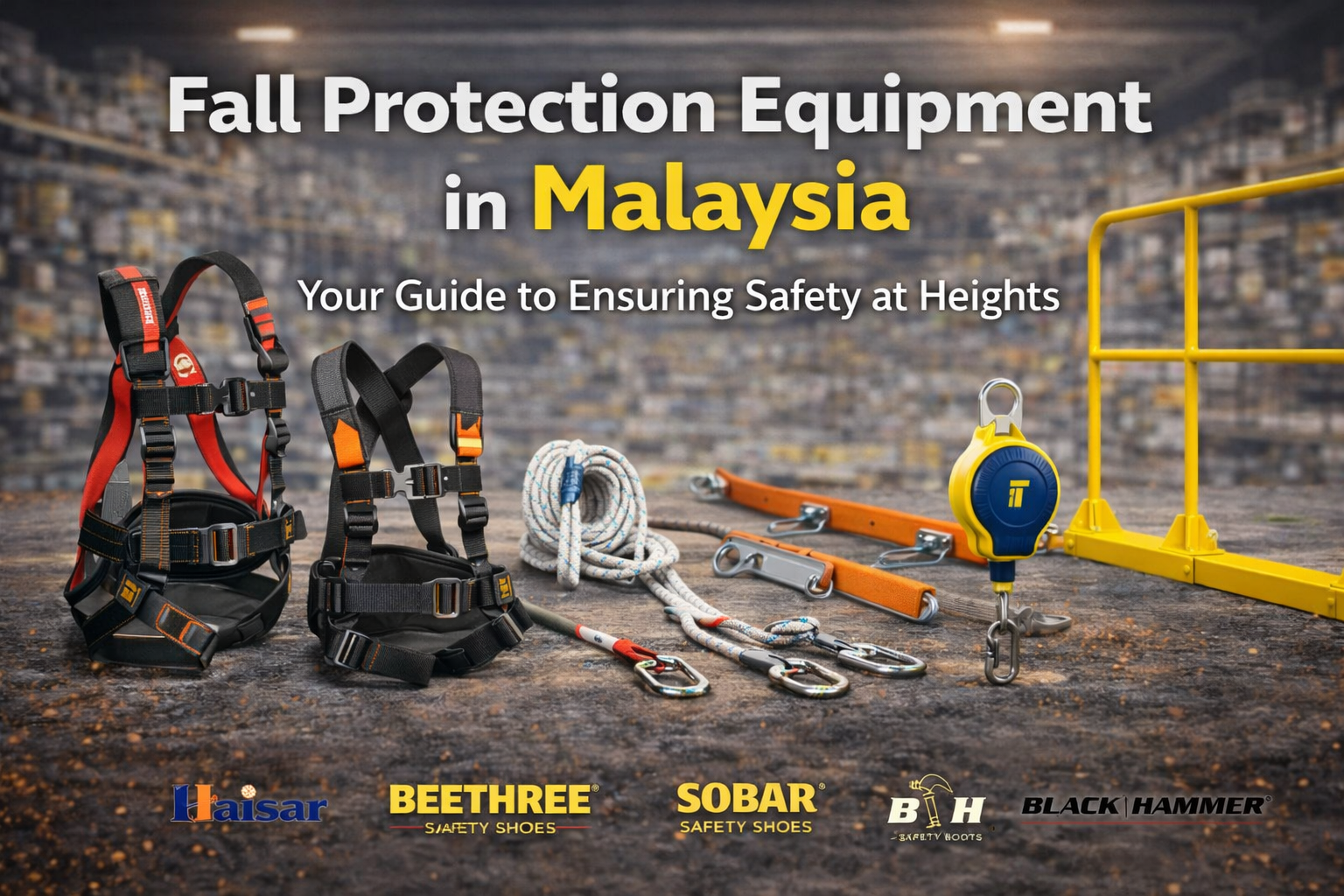
Fall protection equipment in Malaysia is essential for any workplace where employees work at height, whether in construction, manufacturing, or offshore industries. From the bustling construction sites in Johor Bahru to the Kuala Lumpur industrial sectors, the importance of reliable fall protection cannot be overstated. In Malaysia, complying with DOSH regulations and ensuring worker safety is crucial for preventing accidents and reducing injuries.
Investing in high-quality fall protection systems like safety harnesses, lanyards, and lifelines ensures workers' protection, reduces downtime, and helps maintain productivity in hazardous work environments.
What is Fall Protection Equipment?
Fall protection equipment refers to personal protective equipment (PPE) designed to prevent or mitigate falls from heights. This equipment includes safety harnesses, lanyards, lifelines, and anchor systems used in industries like construction, maintenance, and offshore operations.
Proper fall protection systems not only prevent falls but also reduce the severity of injuries in case of an accident. Each piece of equipment plays a specific role in keeping workers safe while working at height, ensuring compliance with local safety standards.
Why Fall Protection Equipment is Crucial in Malaysia’s Industrial Sectors
In industrial regions like Johor Bahru, Pasir Gudang, and Kuala Lumpur, fall-related injuries remain one of the leading causes of workplace accidents. Fall protection equipment helps prevent these accidents by providing the necessary safeguards when working on elevated surfaces or near hazardous areas.
Malaysia’s Department of Occupational Safety and Health (DOSH) requires businesses to provide appropriate fall protection systems to ensure compliance with local regulations. Investing in reliable fall protection equipment from an experienced PPE supplier in Johor will reduce safety risks and support safer work practices in any high-risk environment.
Types of Fall Protection Equipment in Malaysia
There are several types of fall protection equipment, each designed for specific applications and risks. Here are the most common ones:
1. Safety Harnesses
Safety harnesses are an essential piece of equipment for workers at height. They work by distributing the forces of a fall across the body and preventing the worker from hitting the ground. A safety harness is typically used in conjunction with lanyards and lifelines.
2. Lanyards and Lifelines
Lanyards and lifelines provide fall arrest by connecting the worker’s harness to an anchor point. These systems are designed to stop or slow a fall by absorbing the shock and reducing impact.
3. Anchor Points and Arrest Systems
Anchor points are secure structures to which fall protection equipment is attached. Fall arrest systems ensure that a worker does not fall to the ground if they lose their balance or footing.
4. Guardrails and Safety Nets
Guardrails and safety nets are passive fall protection systems used in construction and other work at height areas. They provide continuous protection around edges and platforms.
5. Rope Access Systems
Rope access systems are typically used in specialized industries like offshore drilling, maintenance, and high-rise building cleaning. They allow workers to move freely and safely while performing tasks at significant heights.
How to Choose the Right Fall Protection Equipment in Malaysia
Choosing the appropriate fall protection equipment depends on several factors, including the type of work, environment, and level of risk. Here's how you can make an informed decision:
1. Identify the Work Environment
Determine whether you are working in construction, manufacturing, offshore, or any other sector. The nature of the work will dictate the level of protection required. For example, offshore workers often require marine-grade fall protection, while construction workers may need durable harnesses for daily use.
2. Consider the Tasks and Risks
Different tasks require different safety measures. High-risk tasks such as welding, electrical work, or scaffold work require additional fall protection like shock-absorbing lanyards and full-body harnesses.
3. Fit and Comfort
Ensure that the fall protection equipment fits correctly and comfortably. Proper fit enhances protection and ensures that workers are more likely to wear the equipment properly for long hours. Haisar offers size guides and expert advice to help you select the right gear.
4. Ensure Compliance
Make sure your fall protection equipment meets the necessary local safety standards. Look for certified products that comply with DOSH regulations.
Top Fall Protection Suppliers in Malaysia
When selecting a fall protection supplier, it’s essential to choose a provider who understands local needs and offers high-quality, compliant equipment. Haisar is a trusted PPE supplier in Johor, offering a wide range of fall protection gear suitable for industries across Malaysia. Our products meet global safety standards and ensure your workplace remains safe and compliant.
Common Mistakes When Choosing Fall Protection Equipment
Choosing the wrong fall protection equipment can have severe consequences. Here are some common mistakes to avoid:
- Opting for low-cost solutions over quality: Quality fall protection equipment ensures safety and durability.
- Incorrect sizing and fit: Ill-fitting equipment can compromise safety. Always choose the correct size and have it regularly checked.
- Not considering the task requirements: Make sure the fall protection system matches the s pecific tasks and risks of the job.
Consult with experts like Haisar to avoid these mistakes and ensure you’re choosing the right fall protection solutions for your workplace.
Benefits of Investing in Quality Fall Protection Equipment
Investing in high-quality fall protection equipment provides long-term benefits:
- Improved safety for workers
- Better compliance with safety regulations
- Fewer accidents and reduced downtime
- Long-term cost savings from fewer injuries and insurance claims
Choose Haisar for reliable, durable, and compliant fall protection equipment.
Frequently Asked Questions (FAQs) about Fall Protection Equipment in Malaysia
1. What is fall protection equipment used for?
Fall protection equipment is designed to protect workers from falling from heights, preventing injuries or fatalities.
2. Is fall protection equipment mandatory in Malaysia?
Yes, fall protection is required by law in high-risk workplaces such as construction and offshore sectors.
3. How often should fall protection equipment be inspected?
Regular inspection is required to ensure fall protection equipment remains in safe working condition. DOSH guidelines recommend frequent checks.
4. What types of fall protection systems are required in Malaysia?
Common systems include safety harnesses, anchor points, and fall arrest systems, depending on the work environment.
Choosing the right fall protection equipment in Malaysia is essential for ensuring workplace safety and complying with local safety standards. By selecting the appropriate gear and working with a trusted supplier like Haisar, you protect both your workers and your business from the risks associated with working at height.
