01 / SAFETY EQUIPMENT INSPECTION

Safety Equipment Inspection Checklist Malaysia: PPE Replacement Guide

Quick answer: inspect safety equipment for suitability, condition, traceability, fit, contamination, storage, service history and manufacturer replacement criteria not simply whether it still “looks okay.” There is no universal annual replacement rule for all PPE. Replace or quarantine equipment when the manufacturer's limits are reached, after specified impact / fall-arrest / electrical or chemical events, when required markings or traceability are lost, or when inspection shows damage, contamination or loss of function.

Get Replacement QuoteWhatsApp HaisarThis email address is being protected from spambots. You need JavaScript enabled to view it.

This rebuild makes this the main Haisar page for PPE inspection, replacement decisions, maintenance records and replenishment planning.

Research reviewed: 29 September 2026 · Malaysia · Haisar Supply & Services Sdn Bhd

02 / MALAYSIA SAFETY BASIS

Inspection starts with the hazard the equipment is meant to control

Malaysia's Occupational Safety and Health Act 1994 provides the current general workplace-safety duties, while Section 18B requires risk assessment and implementation of risk controls. DOSH's HIRARC guideline treats PPE as a residual-risk control after higher-level measures and emphasises documented hazard identification, assessment and control.

Inspection is therefore more than a damage check. An item can be physically intact but still wrong for the current hazard, incompatible with other PPE, past its manufacturer service limit or missing the certification / model information needed to confirm suitability.

Use this checklist together with the site HIRARC, CHRA / SDS where chemicals are involved, electrical / PTW procedures where applicable, manufacturer instructions and project / client requirements.

03 / 7-POINT INSPECTION FRAMEWORK

Seven checks before you decide “pass, quarantine or replace”

1 · SuitabilityIs this still the correct PPE / equipment for the current task, hazard, exposure and performance requirement?
2 · TraceabilityCan you still identify the model, rating, certification / standard, size, date code or serial / asset number where applicable?
3 · Physical conditionCheck cracks, cuts, deformation, corrosion, worn coatings, damaged straps, loose fittings, damaged seals and missing parts.
4 · ContaminationLook for chemical, oil, paint, dust or other contamination that can damage material or prevent safe cleaning / reuse.
5 · Function & fitDoes it adjust, seal, lock, latch, buckle, ratchet or fit the user correctly?
6 · HistoryCheck impact, fall-arrest, electrical / chemical exposure, repairs, laundering, testing / calibration and previous inspection history.
7 · Service lifeCompare age / condition with the manufacturer's retirement, expiry, inspection, filter-change or retest requirements.

No universal “replace PPE every year” rule: different PPE categories fail differently. Use the product's own instructions and the event / exposure history rather than applying one replacement period to everything.

04 / CORE PPE CHECKLIST

Core PPE inspection and replacement checklist

Common PPE → inspect → replacement trigger
PPEInspectRemove / replace when
Safety helmetCracks, dents, brittleness, fading / UV damage, suspension, ratchet, chinstrap, labels / date codeRemove after significant impact or when damaged / modified / outside manufacturer retirement criteria.
Safety glasses / gogglesScratched or cracked lens, frame damage, loose temples / strap, poor seal, contamination, visibilityReplace if vision, impact protection, seal or fit is compromised.
Safety footwearToe / midsole damage, outsole wear, separation, puncture, slip performance, upper condition, fitReplace when protective structure, sole grip, fit or required electrical / chemical properties are compromised.
Work / cut glovesCuts, holes, worn coating, loss of grip / dexterity, contamination, hardening / swellingReplace when the glove can no longer provide the required mechanical / chemical / thermal protection.
Hi-vis workwearFading, dirt, torn fabric, damaged / detached reflective tape, poor fitReplace when required conspicuity / garment integrity can no longer be maintained.
Hearing protectionCushion / plug damage, headband tension, hygiene, compatibility, attenuation selectionReplace damaged / contaminated components or when the selected protector no longer matches the exposure / wearer.
Respiratory PPEFacepiece condition, valves, straps, seal area, cartridge / filter type, expiry / change scheduleRemove damaged facepieces; change cartridges / filters according to the approved change schedule / manufacturer criteria.

05 / SPECIALIST PPE

Height, electrical and chemical equipment need event-based controls

Specialist equipment inspection
EquipmentInspectCritical replacement / quarantine trigger
Full-body harness / lanyardWebbing cuts / abrasion / chemical damage, stitching, labels, D-rings, buckles, connectors, energy absorber, fall-event historyRemove from service after a fall-arrest event and follow manufacturer / competent inspection requirements before any possible return to service.
Arc-rated clothing / face PPEFabric / garment damage, contamination, closures, labels / arc rating, face shield condition and complete ensembleRemove when the required arc rating / traceability or physical integrity cannot be confirmed.
Rubber insulating glovesCuts, punctures, ozone / surface damage, contamination, class / test information and retest statusRemove if damaged or outside the required electrical test / inspection regime.
Chemical PPEMaterial swelling / hardening / cracking, permeation / contamination, seams, closures, SDS / compatibilityReplace when chemical compatibility, contamination control or barrier integrity cannot be assured.
LOTO devicesPadlock / key function, hasps, breaker / valve devices, tags, identification, device fitReplace damaged / illegible devices and reassess when isolation-point hardware changes.
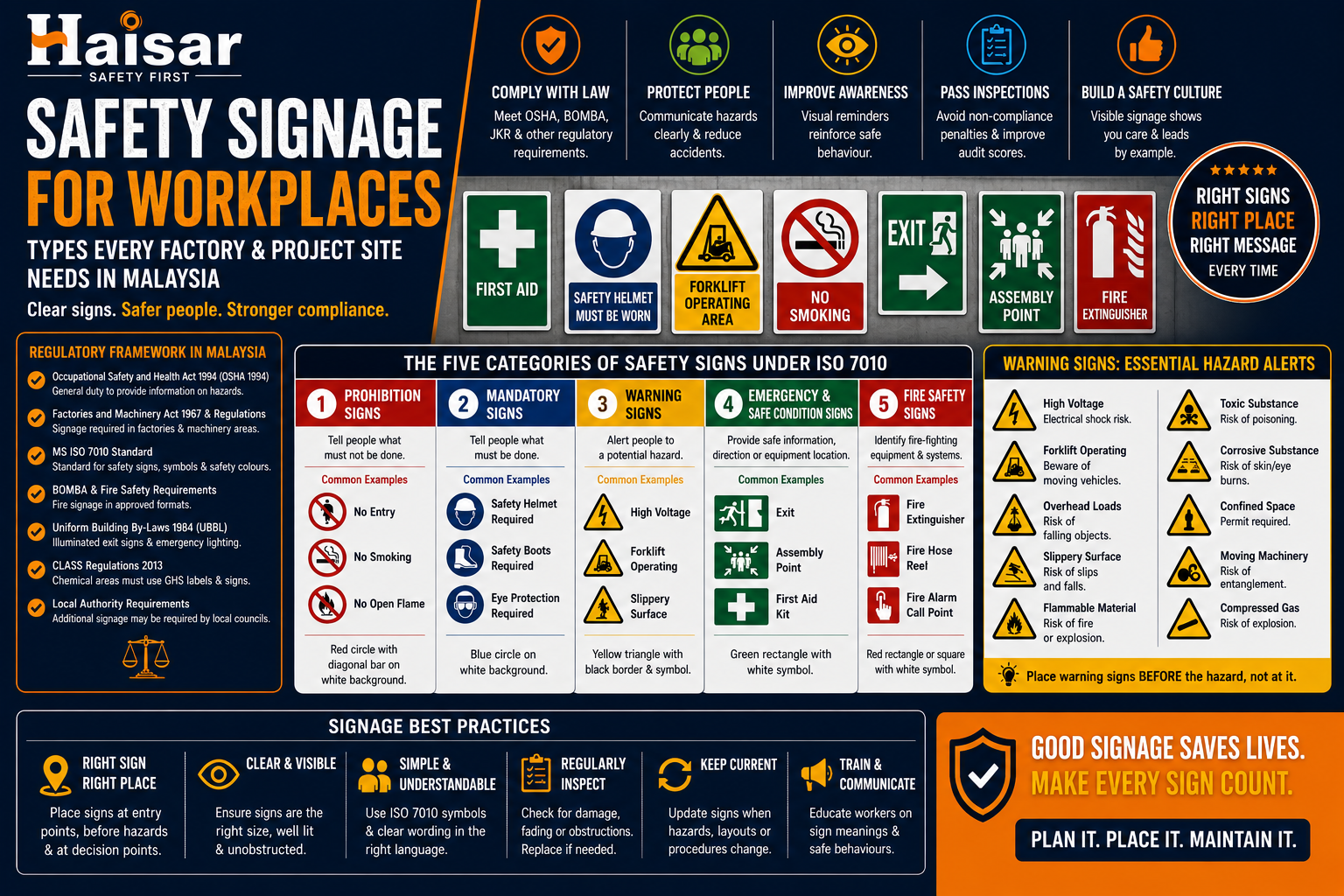
Safety signs / barriersLegibility, reflectivity, mounting, obstruction, colour / symbol condition, physical damageReplace when the warning / separation function is weakened or the hazard / layout changes.

Event history matters: a harness involved in fall arrest, insulating PPE involved in an electrical incident, or chemical PPE heavily exposed to an incompatible substance may require immediate quarantine even when visible damage is limited.

06 / EMERGENCY EQUIPMENT

Do not mix emergency-equipment maintenance into a generic PPE expiry list

Fire equipment

Check access, condition and inspection / servicing status according to the applicable fire-safety system and competent servicing requirements.

First-aid boxes

Check contents, quantities, sterile / expiry status and replenishment responsibility.

Eyewash / showers

Check access, operation, fluid / water condition and the maintenance method for the exact plumbed or portable unit.

Spill / rescue equipment

Check completeness, contamination, expiry / serviceability and whether the equipment still matches the site hazard and rescue plan.

These categories belong in the same site inspection programme but should retain their own inspection standards and service records rather than being forced into a single PPE replacement interval.

07 / HAISAR PRODUCT EXAMPLES

Use real product data when inspecting and replacing PPE

These examples come from Haisar's live catalogue. The cards use built-in illustrative visuals rather than fragile catalogue-image URLs.

Verified Haisar product

Proguard Advantage I Safety Helmet

ABS shell, 8-point suspension and adjustable harness. A useful example for shell, suspension, fit and traceability inspection.

Product details: Haisar listing.

Verified Haisar product

MAXI MASK 2000 Half Mask Respirator

Thermoplastic-rubber half mask with four-point cradle, low-resistance exhalation valve and cartridge connection; facepiece condition and fit are part of inspection.

Product details: Haisar listing.

Like-for-like replacement is not always correct. If the task, hazard, standard or client requirement changed, review the specification before replacing the old item with the same model.

08 / RECORDS & REPLACEMENT STOCK

Make the inspection record useful to both HSE and procurement

Asset / item identityProduct, model, size / class, worker / department, serial or asset reference where applicable.
Inspection resultPass, quarantine, repair / competent assessment, replace or specification review.
ReasonDamage, expiry / service life, contamination, impact / fall event, test status, poor fit, wrong specification or lost traceability.
Corrective ownerName the person / department responsible for replacement or further assessment.
Replacement lead timeLink inspection failures to procurement so critical sizes / specialist PPE do not remain unavailable.
Trend reviewRepeated early failure can indicate wrong specification, poor storage, harsh process exposure or misuse—not merely “bad PPE”.

Stock strategy: keep routine fast-moving PPE separate from specialist replacement stock. Gloves, glasses and basic footwear may need min/max replenishment levels; arc-flash PPE, insulating gloves and harnesses need more model / size / certification-specific planning.

09 / RED FLAGS & RFQ

Immediate red-flag conditions

Condition → immediate action
ConditionAction
Missing / illegible critical label, rating or modelQuarantine until suitability and traceability can be verified; replace if they cannot.
Significant impact / fall-arrest / electrical incidentRemove from service immediately and follow manufacturer / competent assessment requirements.
Chemical contamination or material attackQuarantine; determine whether safe decontamination / reuse is permitted for the exact material and substance.
Unauthorised drilling, cutting, painting, modification or repairRemove from service unless the manufacturer explicitly permits the modification / repair.
Poor fit or incompatibilityReplace with a suitable size / model / system; do not treat discomfort that causes non-wear as a minor issue.
Wrong PPE for the current hazardStop use and respecify from HIRARC / CHRA / electrical or task assessment.

PPE replacement RFQ / BOQ checklist

1 · Failed itemProduct / model, size / rating, existing quantity and reason for removal.
2 · Hazard / taskConfirm the current hazard and whether the old specification is still appropriate.
3 · Replacement quantityFailed stock + immediate spares + workforce / size requirement.
4 · DocumentsRequired certification, test / inspection documents, datasheet and client approval.
5 · Substitution rulesState whether equivalent brands / models may be proposed and what approval is needed.
6 · DeliverySite, shutdown / mobilisation date and priority items that cannot wait for the full BOQ.

Turn inspection failures into one replacement BOQ

Send Haisar the failed items, sizes, required standards and replacement deadline for an itemised quotation.

Get Replacement QuoteWhatsApp BOQThis email address is being protected from spambots. You need JavaScript enabled to view it.

10 / FAQ, SOURCES & SEO CONSOLIDATION

Safety equipment inspection FAQs

How often should PPE be replaced in Malaysia?

There is no universal replacement interval for all PPE. Use the manufacturer service-life / retirement criteria, inspection results, exposure and event history, test / retest requirements and the current hazard assessment.

Should safety helmets be replaced every year?

Not as a universal rule. Inspect the shell, suspension, labels, impact history and manufacturer date / retirement guidance. Replace after significant impact or when the manufacturer's condition / service-life criteria require it.

Can a harness be reused after a fall arrest?

Remove it from service immediately after a fall-arrest event. Any possible return to service should follow the manufacturer's instructions and the required competent assessment; do not make the decision from appearance alone.

When should respirator cartridges be changed?

Use the approved cartridge / filter change schedule and manufacturer instructions for the contaminant and use conditions. Do not wait for smell or discomfort as a universal change indicator.

What should an inspection record contain?

At minimum: item / model, user or location where relevant, inspection date, condition / result, defect or reason for replacement, action taken, responsible person and replacement / follow-up status.

Can Haisar quote a complete PPE replacement list?

Yes. Haisar can quote multi-category replacement BOQs covering PPE, specialist electrical / height equipment, emergency-response products and related safety supplies.

Related Haisar guides

SEO consolidation: Haisar also has the older duplicate-intent article https://www.haisar.com/blog/safety-equipment-inspection-checklist-the-2026-ppe-replacement-guide-every-workplace-must-follow. Keep this newer Malaysia-focused inspection URL as the main page and consolidate the older article into it with a 301 permanent redirect if there is no unique content that must remain separate.

This checklist is a general inspection and procurement framework. Final inspection, retirement, servicing, retest and reuse decisions must follow the product manufacturer, applicable standard / test regime, site risk assessment and competent-person requirements for the equipment involved.

Replace failed PPE before it becomes a project delay

Send the inspection-failure list, sizes, ratings, documents and required date to Haisar.

Get Replacement QuoteWhatsApp HaisarThis email address is being protected from spambots. You need JavaScript enabled to view it.