Can't find what you're looking for? Get in touch!



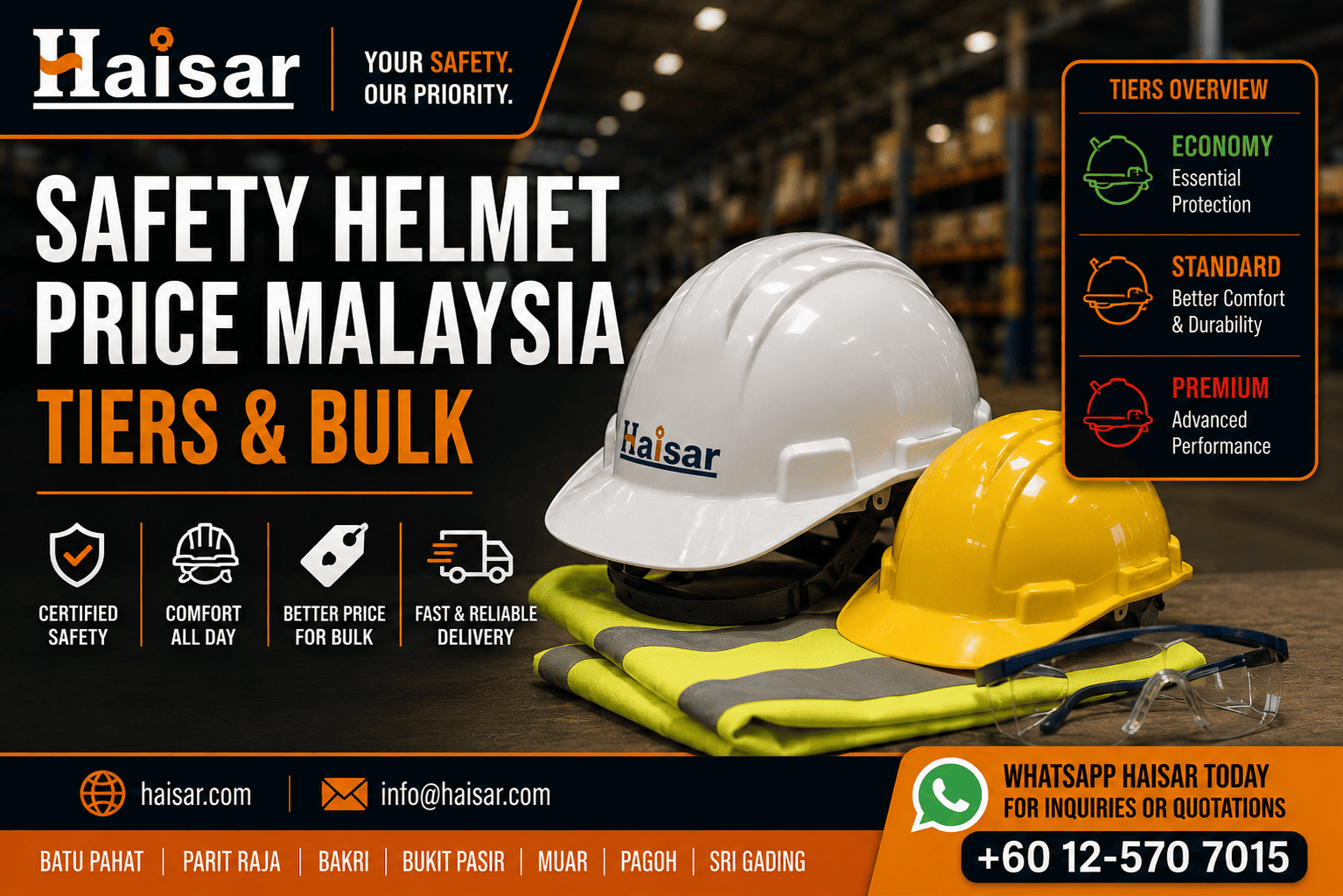
Short answer: There is no single price for a safety helmet in Malaysia, because the category spans roughly a fourfold range. A bare economy shell and a premium branded helmet with a six-point ratchet, vents and full brim are different products doing the same nominal job. This page explains what moves the price, where the real quantity breaks are, and what you should not economise on - then you can ask us for current figures against a specific spec.
Buyers searching for a helmet price are usually doing one of two things: sanity-checking a quotation that feels high, or building a budget line for a headcount they already know. Both need the same thing not a single number, but an understanding of which tier they are buying in and why the quotes in front of them differ.
We have deliberately written this as ratios and cost drivers rather than fixed ringgit figures. Published prices go stale, and a page quoting last year's number is worse than no page at all. The ratios hold; ask us for the current amount against your actual specification and quantity.
What actually drives the price
Of those six, two deserve emphasis because they are where buyers most often economise and most often regret it.
The suspension. A pinlock harness is cheaper than a six-point ratchet, and it is also the reason helmets end up sitting on a shelf. A ratchet can be adjusted one-handed, with gloves on, by someone who is already wearing it. A pinlock cannot, so it gets set once by whoever unpacked it and is then either too loose or too tight for everyone else.
The certification. SIRIM, EN 397 or ANSI Z89.1 - whichever your client or your own standard requires. This is not a place to save money, and it is the first thing an auditor asks to see. If a quotation is materially cheaper than everything around it, this is usually why.
The four tiers, and who belongs in each
| Tier | What you get | Right for | Watch out for |
|---|---|---|---|
| Economy shell | Basic shell, pinlock suspension, cap peak, no vents | Visitor loan stock, very short-duration use | Often no recognised certification. Do not issue these as working PPE |
| Standard certified | Certified shell, ratchet harness, sweatband, replaceable parts | Most factories, warehouses and indoor sites - the sensible default | Check the sweatband is replaceable; it is the part that wears first |
| Vented full brim | 6-point ratchet, air vents, full brim, lamp bracket, accessory slots | Outdoor work, construction, anywhere sun and heat are constant | Vented shells are not suitable for live electrical work |
| Premium branded | Established brand, full accessory ecosystem, long service life | Sites standardising on one system, or where a client specifies the brand | Only worth the premium if you use the accessory range |
Not sure which tier your site needs? Tell us the work and the environment and we will recommend one - including saying so if you are over-specified. Ask for a recommendation →
Where the quantity breaks really are
The practical reading of that curve: it is worth consolidating a 10-unit order into a 100-unit order, and it is rarely worth stretching from 250 to 500 just to chase a break. Helmets have a shelf life - they degrade in storage from UV and heat before they are ever issued - so an over-ordered pallet sitting in a hot store is a loss, not a saving.
Two other things move a quotation more than most buyers expect. Mixed colours for department or contractor identification can affect pricing and lead time, since it becomes several part numbers rather than one. And printing or logos take a helmet out of stock supply and into a lead-time item, which is worth knowing before you promise a date.
The number that matters: cost per worker per year
Unit price is the wrong comparison. A helmet is a multi-year item, so divide it out.
| Factor | Why it changes the annual figure |
|---|---|
| Service life | Typically up to five years from date of manufacture, subject to the manufacturer's marking and your own inspection. Check the moulded date - stock that has sat in a warehouse has already used part of its life. |
| Replacement triggers | Any impact, any crack or chalking, or a suspension that will no longer hold adjustment. One good impact and the helmet is finished regardless of age. |
| Consumable parts | Sweatbands and chin straps are replaced far more often than shells. A helmet with replaceable parts costs less over its life than one without. |
| Loss and turnover | On sites with high labour turnover, helmets walk. That is a real annual cost and it favours the middle tier over the premium one. |
| Accessories | If you need earmuffs or a visor, check compatibility before you buy the shell. Retrofitting the wrong system costs more than the helmet did. |
Run those together and the standard certified tier usually wins on cost per worker per year, even against the economy shell — because the cheap one gets replaced sooner, fits worse and is more likely to be left off.
What a suspiciously cheap helmet is missing
- Certification you can verify. A claim printed on a box is not a certificate. Ask for documentation, and ask us to supply it with the delivery order.
- A moulded manufacture date. No date means you cannot manage service life. Old stock sold as new is a genuine problem in this market.
- UV-stabilised shell material. Malaysian sun destroys a non-stabilised shell quickly. Chalking on the surface means it is already degraded.
- A suspension that adjusts and holds. If it slips, the wearer will stop adjusting it and start wearing it loose.
- Replaceable sweatband and chin strap. Without these, the whole helmet is disposable.
- Accessory compatibility. A helmet that cannot take your existing earmuffs forces a second purchase.
What we stock
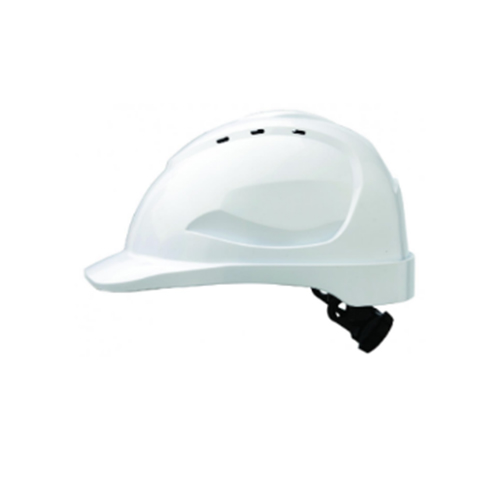
V9 Hard Hat, Ratchet Harness
Six-point ratchet harness, air vents and cotton sweatband, all-round peak with a shortened front brim for upward vision, and extended coverage over neck and ears. White, red and yellow - enough for basic department colour coding.
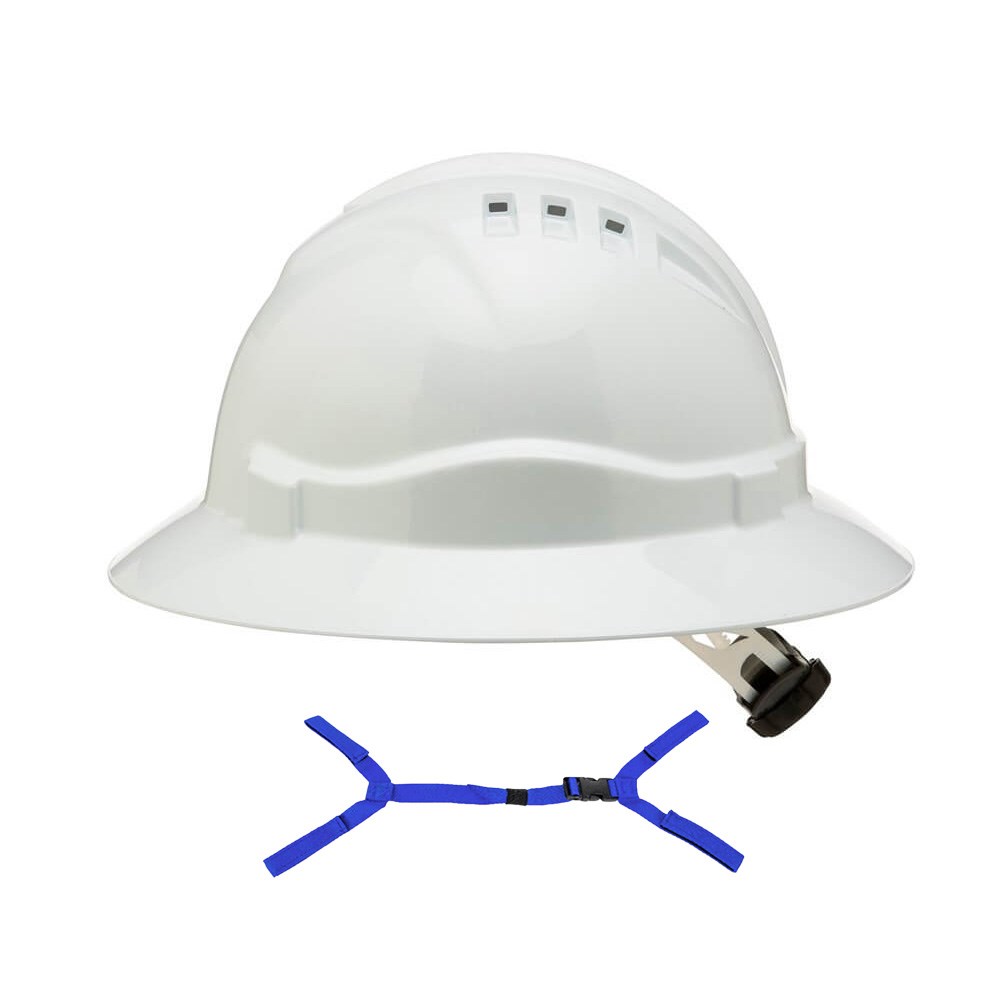
Pro Choice V6 Full Brim
Lightweight ABS shell, six air vents, six-point ratchet, sweatband, plus an adjustable front lamp bracket and rear cable guide. The outdoor-work option where sun exposure and headlamp use both matter. Packs of 5.
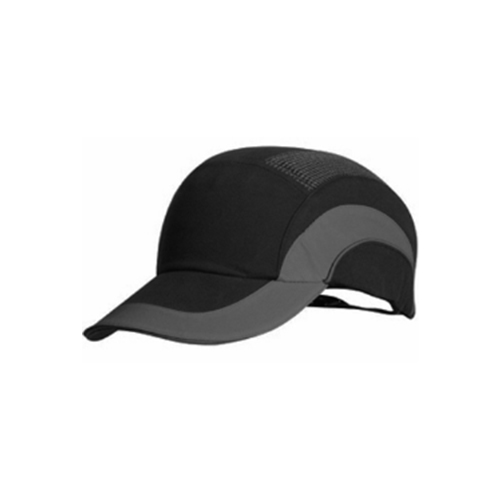
Bump Caps — EN812
Worth knowing about when you are budgeting: in areas with no falling object risk, a bump cap costs less than a hard hat and is far more likely to be worn. It is not a substitute for a hard hat - but it is the right answer in racking aisles and low-clearance areas.
We also carry hard hat accessories - chin straps, detachable brims, replacement sweatbands and clip-on earmuffs - plus the MSA V-Gard with Fas-Trac suspension for sites standardising on that system.
Get a real number against your spec
Tell us the quantity, the tier or certification you need, the colours, and whether you want printing. We will come back with current pricing and the quantity break that applies.
Haisar Supply & Services Sdn Bhd · No. 7501, Jalan Enggang 19, Bandar Putra, 81000 Kulai, Johor · Seremban branch 011-3307 7509 · contact details
Pricing questions
How much does a safety helmet cost in Malaysia?
It depends entirely on tier. Across the four tiers described above the range is roughly fourfold, from a bare economy shell to a premium branded helmet with a six-point ratchet, vents and full brim. Most workplaces belong in the second tier. Send us the quantity and specification and we will give you the current figure rather than a stale published one.
Why are two helmets that look the same priced so differently?
Usually the suspension, the shell material and the certification. A pinlock harness, a non-UV-stabilised shell and no recognised certification can all be invisible on a photograph and all reduce the price substantially.
What quantity do I need for a better price?
Most of the improvement happens between 10 and 100 units. Beyond around 250 the curve flattens, and because helmets age in storage, over-ordering to reach a break usually costs more than it saves.
Does colour or printing change the price?
Yes. Mixed colours become several part numbers rather than one, which affects both pricing and availability. Printing or logos move a helmet from stock supply to a lead-time item, so allow for that if you have a fixed date.
How long does a safety helmet last?
Typically up to five years from the moulded date of manufacture, subject to the manufacturer's marking and your inspection regime and immediately on any impact, crack, chalking or suspension failure. Check the moulded date on delivery; stock that has sat in a warehouse has already used part of its life.
Can you supply certificates with the helmets?
Yes, on the lines that carry SIRIM or DOSH approval. Ask at quotation stage and the documentation is issued with the delivery order, so your audit file is complete before anyone asks for it.
