Can't find what you're looking for? Get in touch!



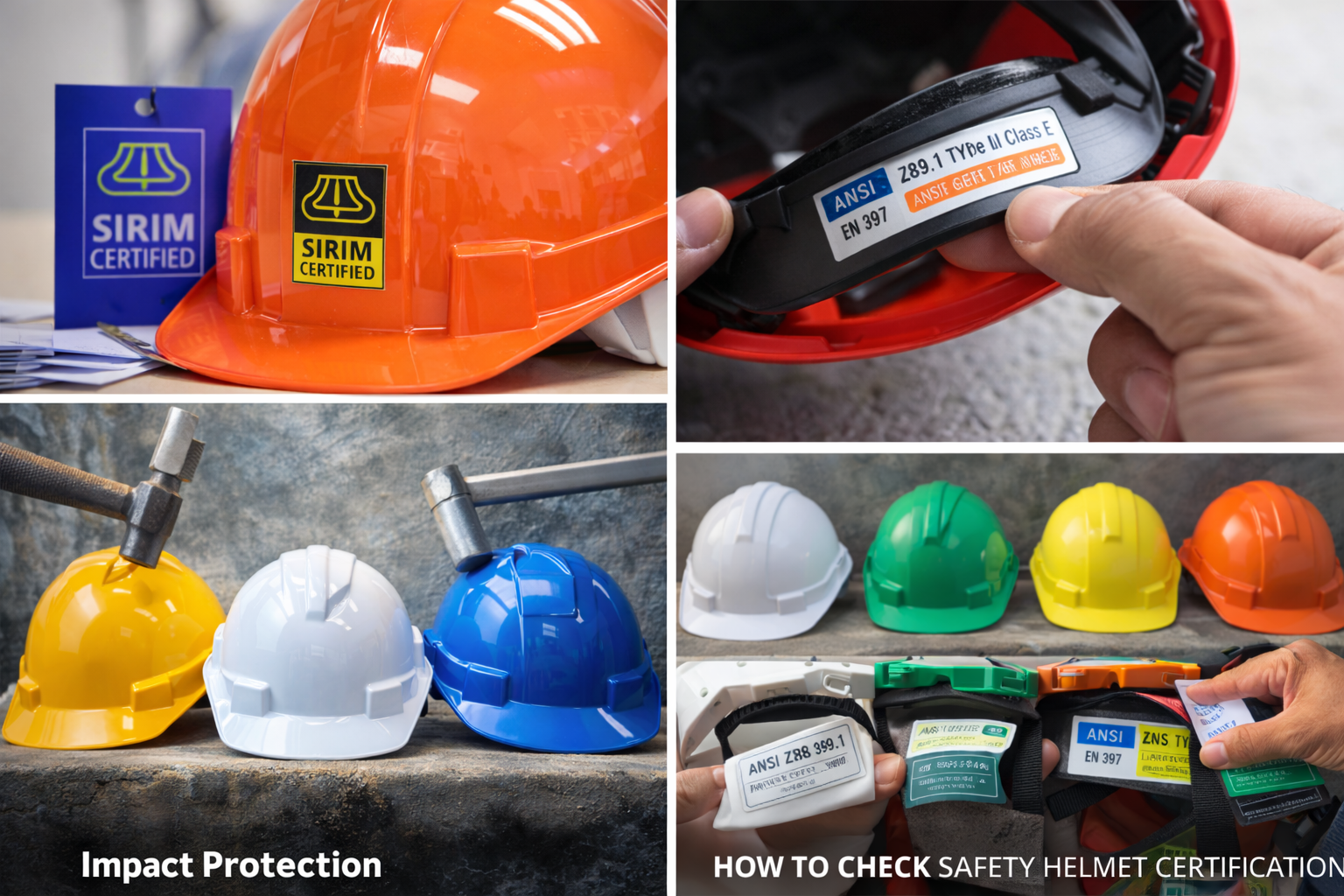
Choosing the right safety helmet is one of the most important decisions for workplace safety yet it is often overlooked.
Many businesses select helmets based on price, availability, or appearance. But the wrong helmet can lead to serious injuries, poor compliance, and even legal risks. Not every safety helmet is designed for every job.
Whether you’re managing a construction site, factory, warehouse, or industrial operation, selecting the right helmet ensures your workers are properly protected and your business stays compliant.
In this complete guide, you’ll learn:
- how to choose the right safety helmet for different work environments
- the key factors to consider before buying
- how helmet types, standards, and features affect safety
- common mistakes to avoid when selecting PPE
Why Choosing the Right Safety Helmet Matters
Safety helmets are designed to protect workers from:
- falling objects
- impact injuries
- electrical hazards
- debris and flying particles
However, not all helmets provide the same level of protection.
Choosing the wrong helmet can result in:
- reduced protection in high-risk environments
- discomfort leading to improper use
- failure to meet project or safety requirements
- increased risk of workplace accidents
The right helmet improves:
- worker safety
- compliance with safety standards
- comfort and productivity
- overall site performance
Step 1: Identify Workplace Hazards
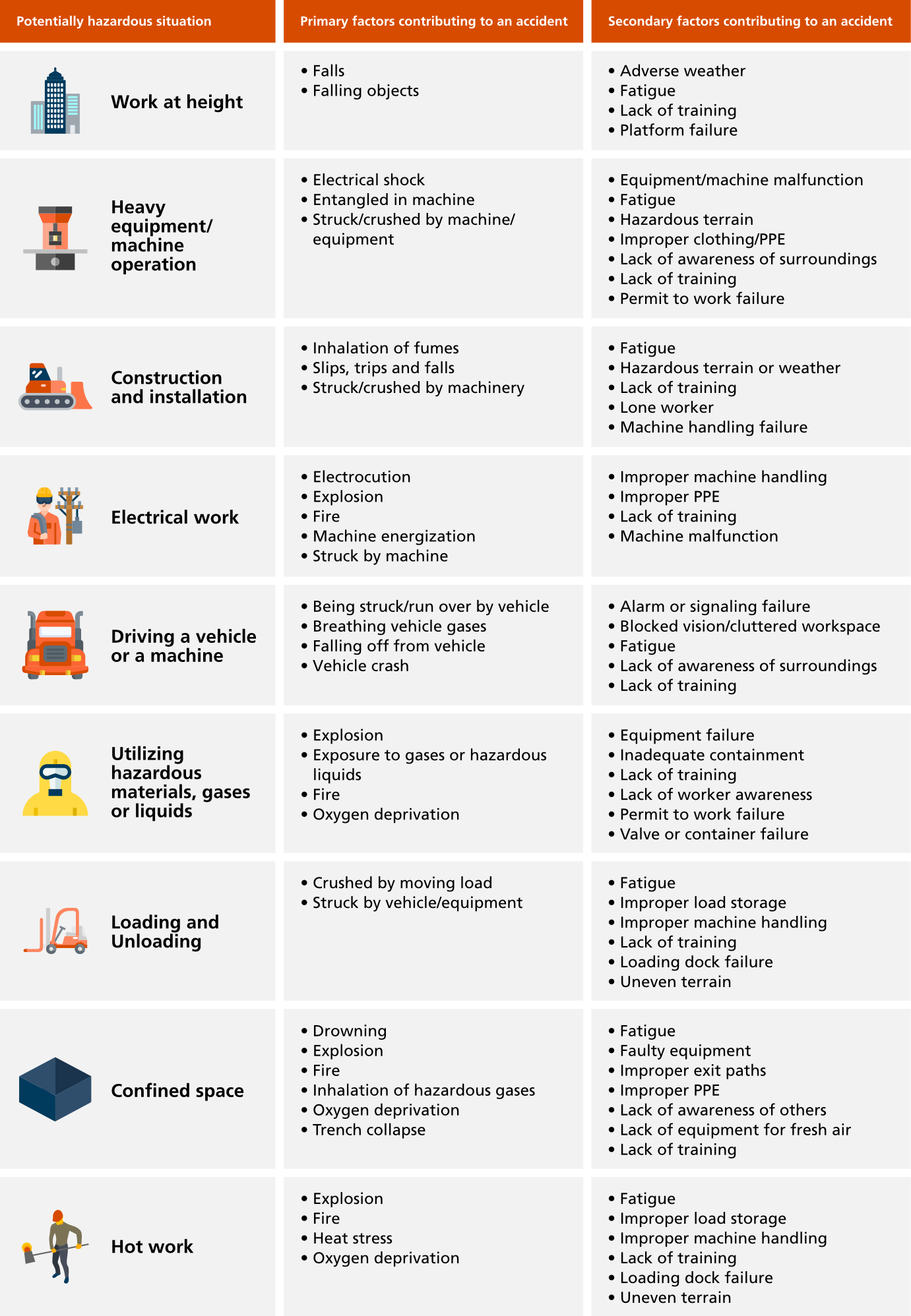
Before choosing a helmet, you must understand the risks present in your work environment.
Ask these key questions:
- Are there falling objects from above?
- Is there a risk of side impact?
- Are workers exposed to electrical hazards?
- Is the work indoors or outdoors?
- Are workers operating at height?
Examples:
- Construction sites → falling tools and materials
- Industrial plants → impact and side hazards
- Electrical work → risk of electric shock
- Outdoor projects → sun, rain, and debris
The helmet must match the hazard - not just the job title.
Step 2: Choose the Right Type of Safety Helmet
Different helmets are designed for different types of protection.
Type I Helmets
- Protect against top impact only
- Suitable for general construction
Type II Helmets
- Protect against top and side impacts
- Suitable for high-risk industrial environments
Electrical Safety Helmets
- Non-conductive materials
- Designed for electrical work
Cap Style Helmets
- Lightweight and common
- Best for general site work
Full Brim Helmets
- Extra protection from sun, rain, and debris
- Ideal for outdoor work
Step 3: Check Safety Standards and Certification
Always choose helmets that meet recognized safety standards.
Common standards include:
- SIRIM (Malaysia)
- ANSI (USA)
- EN (Europe)
- AS/NZS (Australia/New Zealand)
Certified helmets:
- are tested for impact and durability
- meet safety requirements
- provide reliable protection
If you haven’t already, refer to your safety helmet standards guide for deeper understanding.
Step 4: Ensure Proper Fit and Comfort
A helmet is only effective if workers wear it correctly.
Look for:
- adjustable suspension system
- secure but comfortable fit
- lightweight design
- good ventilation
Why this matters:
- uncomfortable helmets are often worn incorrectly
- poor fit reduces protection
- workers may remove helmets if they feel heavy or hot
Comfort directly affects compliance.
Step 5: Consider Additional Features
Modern safety helmets come with features that improve usability and safety.
Look for:
- chin straps (important for working at height)
- face shield compatibility
- earmuff attachments
- reflective strips for visibility
- sweatbands for comfort
Step 6: Match the Helmet to Your Industry
Different industries require different helmet features.
Construction
- Type I helmets
- lightweight and ventilated
Industrial / Manufacturing
- Type II helmets
- higher impact protection
Electrical Work
- non-conductive helmets
- certified for electrical safety
Oil & Gas / High-Risk Sites
- advanced helmets with chin straps
- higher safety specifications
Outdoor Work
- full brim helmets
- better weather protection
Quick Checklist: Choosing the Right Safety Helmet
Use this checklist before purchasing:
- Identify workplace hazards
- Select the correct helmet type
- Check certification and standards
- Ensure proper fit and comfort
- Consider necessary features
- Match helmet to industry use
- Buy from a reliable supplier
Common Mistakes to Avoid
Choosing based on price only
Cheap helmets may compromise safety and durability.
Ignoring certification
Non-certified helmets may fail during impact.
Using one helmet for all workers
Different roles may require different protection.
Not replacing old helmets
Damaged or aged helmets lose effectiveness.
Overlooking comfort
Workers may not wear uncomfortable helmets properly.
When Should You Replace a Safety Helmet?
Replace helmets:
- after any strong impact
- if cracks or damage appear
- if the suspension system is worn
- every 2–5 years depending on usage
Where to Buy Safety Helmets in Malaysia
Choosing the right supplier is just as important as choosing the helmet.
Look for:
- certified products
- bulk supply capability
- consistent stock availability
- industry experience
A reliable supplier helps ensure:
- compliance
- product quality
- long-term cost efficiency
Get the Right Safety Helmet for Your Workplace
If you’re looking for reliable safety helmets for construction, industrial, or commercial use, Haisar Supply & Services can support your PPE needs.
We provide:
- certified safety helmets
- bulk supply for contractors and factories
- fast delivery across Johor and Malaysia
Frequently Asked Questions
How do I choose the right safety helmet?
Start by identifying workplace hazards, then choose the correct helmet type, check certification, and ensure proper fit.
What is the best safety helmet for construction?
Type I helmets are commonly used, but higher-risk sites may require Type II helmets.
Are expensive safety helmets better?
Not always. The most important factors are certification, fit, and suitability for the job.
How tight should a safety helmet be?
It should fit securely without being too tight, with no excessive movement when worn.
Can one helmet be used for all types of work?
No. Different environments require different types of protection.
Final Thoughts
Choosing the right safety helmet is not just about meeting safety requirements—it’s about protecting your workforce and ensuring your operations run smoothly.
The right helmet:
- matches workplace hazards
- meets recognized standards
- fits comfortably
- supports worker productivity
For any business serious about safety, selecting the correct PPE is one of the most important decisions you can make.
