Can't find what you're looking for? Get in touch!



Choosing the wrong safety helmet can lead to serious workplace injuries, legal risks, and costly downtime.
In Malaysia, industries like construction, manufacturing, and engineering face daily hazards - from falling objects to electrical exposure. Yet many companies still choose helmets based on price instead of proper protection.
In this complete guide, you’ll learn:
- How to choose the right safety helmet in Malaysia
- Key standards like SIRIM and international certifications
- The best helmet types for different industries
- What to look for when buying in bulk
What Is the Best Safety Helmet in Malaysia?
The best safety helmet depends on your work environment:
- Construction → Type I helmets
- Industrial → Type II helmets
- Electrical work → Non-conductive helmets
- Outdoor work → Full brim helmets
Always choose helmets that meet SIRIM or recognized international safety standards.
What Is a Safety Helmet?
A safety helmet (also known as a hard hat) is personal protective equipment (PPE) designed to protect workers from:
- Falling objects
- Impact injuries
- Electrical hazards
- Flying debris
It is essential in:
- Construction sites
- Factories and manufacturing plants
- Oil & gas industries
- Warehouses and logistics
For full workplace protection, businesses should also consider safety boots, fall protection, and electrical safety equipment.
Types of Safety Helmets Used in Malaysia
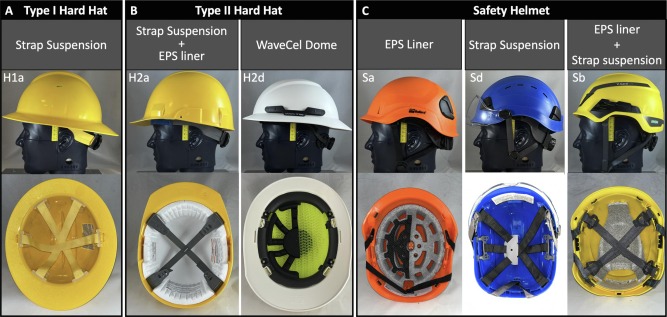
1. Type I Helmets (Top Impact Protection)
- Protect against impacts from above
- Most common in construction
- Lightweight and comfortable
Best for general construction work.
2. Type II Helmets (Top + Side Protection)
- Protect from both top and side impacts
- Higher level of safety
Best for industrial and high-risk environments.
3. Electrical Safety Helmets
- Designed to reduce electrical shock risk
- Made from non-conductive materials
Best for electricians and utility workers.
4. Cap Style vs Full Brim Helmets
- Cap style → lighter and more common
- Full brim → protects from sun, rain, and debris
Best for outdoor construction projects.
Safety Helmet Types Comparison
|
Type |
Protection |
Best For |
Safety Level |
|
Type I |
Top impact |
Construction |
Standard |
|
Type II |
Top + side impact |
Industrial |
High |
|
Electrical |
Shock protection |
Electrical work |
Specialized |
Safety Helmet Standards in Malaysia
Choosing certified helmets is critical for compliance and safety.
SIRIM Certification
- Malaysian safety certification
- Required for many regulated projects
- Ensures compliance with local safety standards
International Standards Accepted in Malaysia

- AS/NZS 1801
- EN 397
- ANSI Z89.1
Many companies accept these for industrial use.
Why Certification Matters
Certified helmets:
- Absorb impact energy properly
- Resist penetration
- Provide reliable protection
Non-certified helmets can fail under pressure and increase risk.
How to Choose the Right Safety Helmet
1. Identify Workplace Risks
- Falling objects
- Electrical hazards
- Confined spaces
Match helmet type to the risk level.
2. Check Certification
Always verify:
- SIRIM OR
- Recognized international standards
3. Focus on Comfort
Workers wear helmets for long hours.
Look for:
- Adjustable suspension
- Lightweight design
- Ventilation
Comfort improves compliance and safety.
4. Consider Additional Features
- Chin straps
- Face shield compatibility
- Reflective strips
- Sweatbands
Safety Helmet Price in Malaysia
Typical price range:
- Basic helmets: RM10 – RM25
- Mid-range helmets: RM25 – RM60
- Premium helmets: RM60 – RM150+
What Affects Price?
- Certification
- Material quality
- Brand reputation
- Additional features
Bulk purchasing can significantly reduce cost per unit.
Best Safety Helmets for Different Uses
Construction Work
- Type I helmets
- Lightweight and ventilated
Industrial Work
- Type II helmets
- Higher protection
Electrical Work
- Non-conductive helmets
Common Mistakes to Avoid
- Choosing based on price only
- Ignoring certification
- Buying uncomfortable helmets
- Not replacing damaged helmets
These mistakes can increase safety risks and liability.
When Should You Replace a Safety Helmet?
Replace helmets:
- After any impact
- If cracks appear
- If suspension becomes loose
- Every 2–5 years depending on usage
Where to Buy Safety Helmets in Malaysia
When choosing a supplier, look for:
- Certified products
- Bulk pricing options
- Reliable stock availability
- Industry experience
This ensures safety, compliance, and cost efficiency.
Get Certified Safety Helmets in Malaysia
Looking for reliable, certified safety helmets for your team?
Haisar Supply & Services provides:
- SIRIM and international certified helmets
- Bulk pricing for contractors and factories
- Fast delivery across Johor and Malaysia
Frequently Asked Questions (FAQs)
What is the difference between Type I and Type II helmets?
Type I protects from top impact, while Type II protects from both top and side impacts.
Is SIRIM certification required in Malaysia?
Yes, especially for government and regulated projects.
How long do safety helmets last?
Typically 2–5 years depending on usage and conditions.
Can international standard helmets be used in Malaysia?
Yes, many industries accept ANSI, EN, and AS/NZS certified helmets.
