Can't find what you're looking for? Get in touch!



1. Introduction
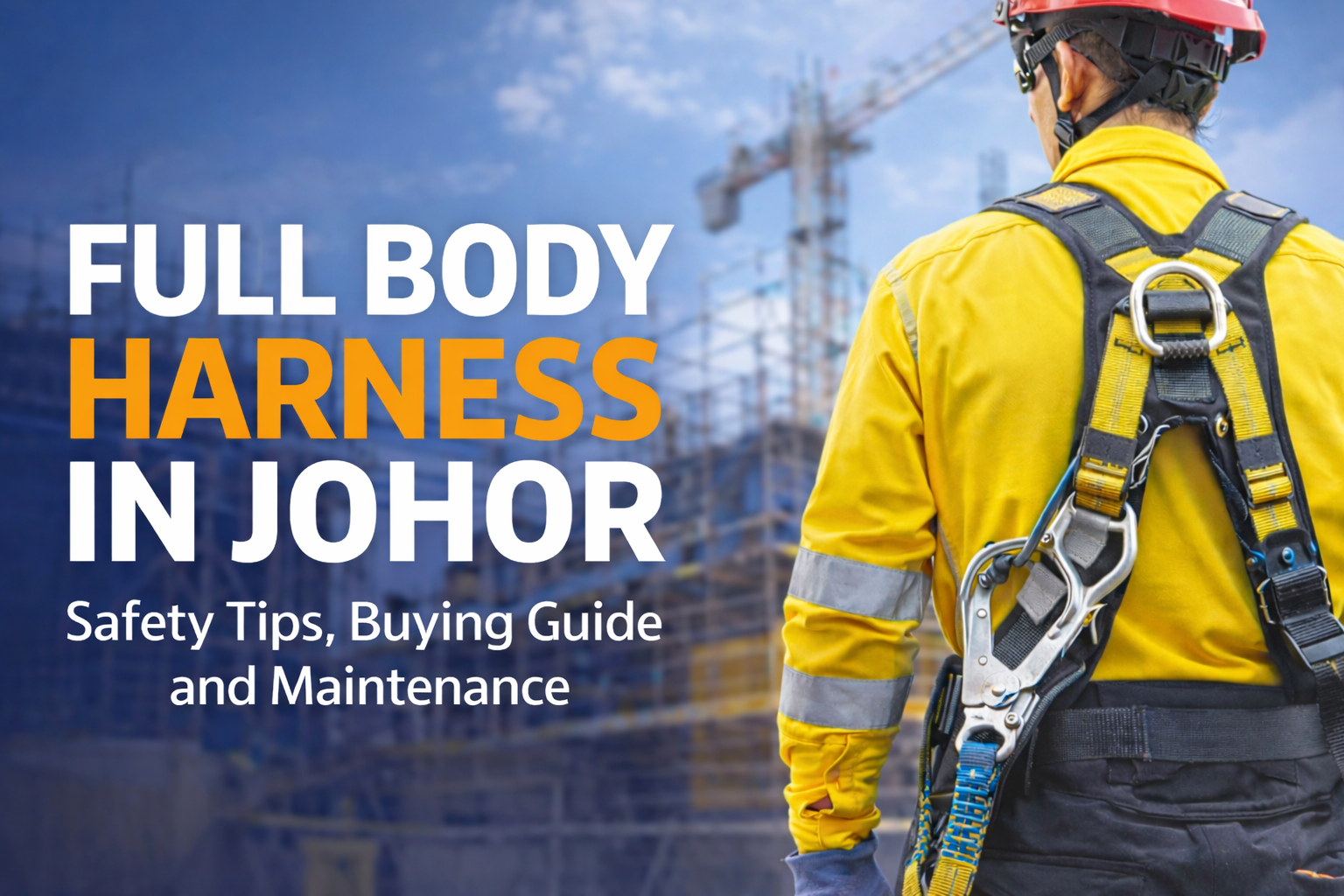
If you manage work at height in Johor, you already know this feeling: one small shortcut can turn into a big incident. A full body harness isn’t just “another PPE item.” It’s more like a seatbelt for height work simple, but it only works when it fits, connects correctly, and gets used the right way.
Johor sites can be fast-moving: maintenance jobs, construction, factory work, roof access, scaffolding, tanks, and shutdown projects. That’s why many teams search for full body harness Johor, safety harness Johor Bahru, or even safety harness JB when they need quick stock, the right specs, and a clean full body harness quotation process.If you’re browsing options, a good shortcut is to start from a category page like Safety Harness and filter by job type. Haisar
1.1 Who needs it and where it’s used
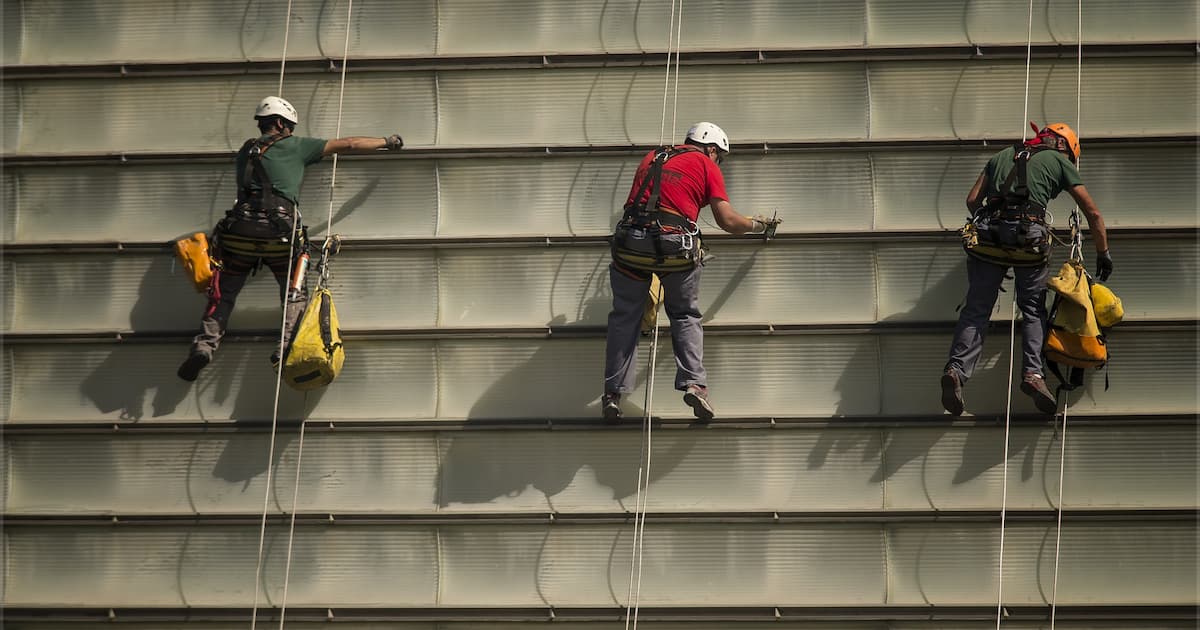
A working at heights harness is commonly used for roof work, scaffolding, tower climbing, maintenance on platforms, and certain confined space tasks that involve vertical entry. You’ll also see it in factories with overhead crane walkways, mezzanines, loading areas, or anywhere a worker can fall from an edge. DOSH guidance emphasizes avoiding height work where possible, and using proper prevention or protection measures when it’s not. Dosh
1.2 What this guide will help you choose
In this guide, I’ll break down what a harness is, what to look for (fit, parts, standards), how to wear it step-by-step, and how to buy smarter in Johor—without wasting time on the wrong model.
- What Is Full Body Harness?
A full body safety harness (also called a safety harness or fall arrest harness) is a wearable system of straps designed to catch and hold the body safely if a fall happens. It spreads force across stronger parts of the body thighs, pelvis, shoulders so the load isn’t focused on one dangerous point.
In most workplaces, when people say “tali keselamatan” or “harness keselamatan,” they mean the full body type used for fall arrest. That’s different from a simple belt or “tali pinggang keselamatan” used only for positioning. A proper fall arrest harness is typically built to meet standards like EN 361, which covers requirements and testing for full body harnesses used in fall arrest situations. satra.com
Think of it like this: a helmet protects your head from impact. A full body harness protects your whole body from a fall but only when it’s part of a complete fall protection system (harness + connector + anchorage + plan).
- Why Full Body Harness Matters for Working at Height
Falls don’t “warn” you. A wet boot sole, a loose plank, a rushed step backward suddenly you’re off balance. A good fall protection harness gives you a second chance when everything goes wrong in one second.
3.1 Common fall hazards at job sites
Here are the usual trouble spots I see in real projects:
- Roof edges and fragile skylights (roof work safety harness scenarios)
- Scaffolding gaps and incomplete decking (scaffolding safety harness needs)
- Ladders and temporary access where 3-point contact gets ignored
- Platforms and mezzanines with missing guardrails during maintenance
- Tank tops / confined areas where entry/exit is vertical and tight
- Loading bays and raised dock edges, especially during rain
DOSH highlights avoiding height work where possible, and if not, using proper systems to prevent falls or reduce risk. Dosh
3.2 What can go wrong with the wrong harness
A cheap or wrong-spec harness can fail in quiet ways:
- Wrong D-ring used → body position becomes unsafe during arrest
- Poor adjustment → you can slip out or suffer higher arrest forces
- Weak stitching or worn webbing → hidden failure risk
- No energy absorber → the stopping force becomes harsh on the body
A harness isn’t the place to “try luck.” In purchasing terms: one wrong selection can cost far more than the savings.
- Key Parts of a Full Body Harness
A harness looks simple, but every part has a job. Knowing the basics helps you choose faster and train users better.
4.1 D-ring positions and what they do

- Dorsal (back) D-ring: the most common attachment point for fall arrest.
- Sternal (front/chest) D-ring: often used for certain climbing systems or vertical setups (depending on system design).
- Side D-rings: usually for work positioning—not fall arrest unless the system specifically allows it.
- Rescue/shoulder loops (some models): can support assisted rescue or vertical handling.
If you remember one rule: attach to the correct point for the job, not the closest point.
4.2 Straps, buckles, and padding
- Shoulder straps + leg straps hold the body in a safe shape.
- Chest strap keeps shoulder straps positioned correctly.
- Buckles (tongue or quick-connect) affect speed and consistency.
- Padding improves comfort and reduces “hot spots” during long shifts.
Comfort isn’t luxury if it hurts, people loosen it, and then it fails its purpose.
4.3 Lanyards, lifelines, and connectors
A harness is only one part. You also need:
- Lanyard (often with an energy absorber lanyard)
- Connectors/hooks (including large hook lanyard options)
- Anchorage point / lifeline / SRL depending on the task
Energy absorbers are commonly covered under standards like EN 355, which defines requirements for energy absorbers in fall arrest systems. satra.com
- Types of Full Body Harness

Not all harnesses are built for the same work. Here’s a simple way to sort them.
5.1 Basic construction harness
This is the “daily driver” for many sites. Usually a dorsal D-ring, simple buckles, and basic padding. Good for general construction safety harness use where the work is straightforward and training is consistent.
5.2 Tower and scaffolding harness
For tower climbing and frequent movement, look for:
- Better padding
- Easy-adjust buckles
- Compatibility with climbing systems
This supports tower climbing harness and scaffolding work where workers move a lot and need stable attachment options.
5.3 Confined space harness
A confined space harness often includes features that support vertical entry and retrieval. The goal is safer handling during entry/exit and rescue assistance (based on your rescue method).
5.4 Rescue harness
Rescue-focused harnesses support controlled lifting/lowering and safer body positioning during recovery. If your sites have vertical hazards, rescue planning should not be optional.
- How to Choose the Right Full Body Harness in Johor
Buying in Johor often comes down to speed + correctness. Here’s the checklist I’d use if I had to choose today.
6.1 Match the harness to your job type
Start with the task:
- Roof edge work → fall arrest focus, comfortable long wear
- Scaffolding → movement-friendly and easy adjustment
- Tower climbing → climbing compatibility and reduced snag points
- Confined space → harness suited to entry/retrieval plan
If you’re browsing options, a good shortcut is to start from a category page like Safety Harness and filter by job type. Haisar
6.2 Choose the correct size and fit
Sizing mistakes are common especially when ordering in bulk.
- Choose a size range that fits your workforce (S–XL is not “one size fits all”).
- Make sure leg straps sit correctly (snug, not cutting).
- Chest strap should sit mid-chest, not up at the neck.
Quick field test: you should fit a flat hand under straps, but not a fist.
6.3 Comfort features that matter for long hours
If your team wears it for hours, prioritize:
- Shoulder/leg padding
- Breathable webbing design
- Quick-connect buckles for consistent fit
- Lightweight hardware (without losing strength)
Comfort is like a good pair of safety shoes: the best ones disappear while you work.
6.4 Weight rating and load limits
Check the manufacturer’s user weight range (including tools carried). This is where procurement can prevent silent non-compliance especially for heavier users or tool-heavy tasks.
6.5 Certification and compliance checklist
Ask for clear proof, not vague claims:
- Harness standard: EN 361 full body harness marking/documentation satra.com
- Lanyard/absorber standard: EN 355 lanyard / energy absorber satra.com
- Traceability: model, batch/serial, manufacturer instructions
- Documentation: datasheet, inspection guidance, user manual
- If you’re sourcing locally, many buyers also ask about SIRIM safety harness documentation where applicable (or supplier support for compliance paperwork). Haisar+1
If you want a real product example to compare against your spec sheet, see a listing like Full body. Haisar
- Benefits of Using a Quality Harness
A quality harness does more than “tick the PPE box”:
- Reduces incident risk by improving reliability and correct use
- Improves compliance readiness (documents are easier to organize)
- Cuts downtime because teams work with confidence
- Increases adoption because workers don’t fight the gear
- Supports standardization across sites (same model, same training)
In short: better harnesses often reduce the “hidden costs” of rework, replacements, and arguments on site.
- How to Wear a Full Body Harness Correctly (Step-by-Step)
Wearing a harness is like tying a parachute simple steps, zero room for guessing.
8.1 Pre-wear inspection
Before every use:
- Check webbing for cuts, frays, burns, chemical damage
- Inspect stitching (look for broken threads)
- Check buckles and D-rings for cracks, corrosion, deformation
- Confirm labels are readable (standards + ID)
If something looks off, tag it out. Don’t “try one more time.”
8.2 Put it on in the right order
- Hold the dorsal D-ring and shake the harness to untangle straps.
- Slip on shoulder straps like a vest.
- Fasten chest strap (not too high).
- Pull leg straps through and buckle each side.
- Check straps are not twisted.
Pro tip: twisted straps reduce comfort and can affect loading during a fall.
8.3 Adjust for a secure fit
- Tighten leg straps so they’re snug but allow movement
- Shoulder straps should sit flat (no gaps)
- Keep extra strap tails tidy (use keepers)
If it feels “loose like a jacket,” it’s too loose.
8.4 Final safety check before climbing
- Confirm correct attachment point (usually dorsal D-ring for fall arrest)
- Confirm connector is locked and compatible
- Confirm anchorage is suitable for fall arrest
- Confirm clearance below (avoid hitting levels/structures)
- Confirm rescue plan exists
A harness without a plan is like a fire extinguisher with no exit route.
- Harness Inspection and Maintenance
A harness can look “fine” and still be unsafe. Your system needs both daily checks and scheduled inspections.
9.1 Daily checks before use
Keep it simple:
- Webbing + stitching + hardware + labels
- Check lanyard/absorber condition
- Ensure hooks close and lock properly
- Confirm no contamination (oil, paint, harsh chemicals)
9.2 Weekly/monthly inspection routine
Set a routine based on usage and environment:
- High-use / harsh sites → more frequent formal checks
- Record results (date, inspector, findings, action)
- Track serial numbers to avoid “mystery harnesses”
This is especially helpful when you manage multiple Johor sites.
9.3 Cleaning and storage tips
- Clean with mild soap and water (follow manufacturer guidance)
- Dry away from direct sunlight/heat
- Store in a clean bag or cabinet
- Keep away from chemicals, sharp edges, and welding sparks
9.4 When to retire a harness
Retire it if:
- It arrested a fall
- Labels are unreadable
- Webbing is cut/burned/chemically damaged
- Hardware is deformed or won’t lock
When in doubt, retire it. The cost is small compared to the risk.
- Common Mistakes to Avoid
Small mistakes repeat because they “seem fine”… until they’re not.
10.1 Wrong D-ring use
Using side rings for fall arrest (when not designed for it) is a classic error. Match the attachment point to the system and task.
10.2 Loose straps and poor adjustment
Loose harnesses increase movement during arrest and can cause injury. Train users to fit it consistently.
10.3 Using damaged lanyards or hooks
A damaged double hook lanyard or worn absorber can fail when it matters most. If you need 100% reliability, the inspection habit must be 100% too.
10.4 Skipping training and rescue planning
Even the best industrial fall protection gear fails if users don’t know how to wear it or what to do after a fall.
- Training and Rescue Planning Basics
Fall arrest is not the end of the story. After a fall, rescue speed matters.
11.1 Why rescue planning is necessary
A suspended worker can’t wait “until later.” Have a rescue method ready and practiced. DOSH guidance focuses on preventing falls and using proper controls—rescue planning supports that by closing the loop when prevention fails. Dosh
11.2 Basic rescue kit checklist
Common items (based on your site system):
- Rescue lanyard/rope system
- Suitable connectors
- Knife (for emergency cutting where approved)
- Communication plan
- First-aid readiness
- Trained team roles
11.3 Simple site rescue plan template
Keep it 1 page:
- Hazard area + access points
- Anchors available
- Rescue method (lowering/raising)
- Who does what (names/roles)
- Emergency contacts + nearest medical route
- Practice schedule
- Where to Buy Full Body Harness in Johor
If you’re searching “buy full body harness Johor” or comparing safety harness price Johor, here’s how to buy without regret.
12.1 What to check before purchasing
- Stock availability + lead time
- Correct standards and documents
- Spare parts / replacement availability
- Ability to standardize models across sites
A helpful starting point is a curated page like Working at Heights so you’re not hunting item-by-item. Haisar
12.2 Questions to ask suppliers
Ask these before issuing a PO:
- “Is this EN 361, and can you share documentation?”
- “Which lanyard works with this harness (EN 355)?”
- “What’s the user weight range?”
- “What’s the warranty and inspection guidance?”
- “Can you support sizing for our workforce?”
If you need pricing fast, go straight to a form like Get Quote and include model, quantity, site, and delivery timing. Haisar
12.3 Delivery, sizing support, and after-sales service
The best suppliers help you use the product, not just buy it:
- Size recommendations and trials
- Quick replacements and consistent stock
- Documentation for audits/tenders
For a broader buyer guide on Johor suppliers, you can also reference a page like PPE guide. Haisar
- FAQ: Full Body Harness Johor
13.1 How long can a harness last?
It depends on use and environment. Heavy daily use, heat, chemicals, and UV shorten life. Follow manufacturer guidance, keep inspection records, and retire it after any fall arrest.
13.2 Can one harness be shared between workers?
It can, but it’s not ideal. Fit varies, comfort drops, and accountability becomes messy. If sharing is unavoidable, control sizing, sanitize properly, and track who used it.
13.3 What’s the difference between harness and safety belt?
A full body harness is designed for fall arrest and spreads load across the body. A belt is often for positioning and may not be safe for fall arrest unless it’s part of a rated system.
13.4 Do I need a shock absorber lanyard?
For many fall arrest setups, yes. An energy absorber helps reduce arrest forces. Standards like EN 355 cover energy absorbers used in fall arrest systems. satra.com
13.5 How often should inspection be recorded?
Do a quick visual check every use, and record formal inspections on a schedule (often monthly/quarterly depending on risk and usage). High-risk work should have tighter control.
