Can't find what you're looking for? Get in touch!



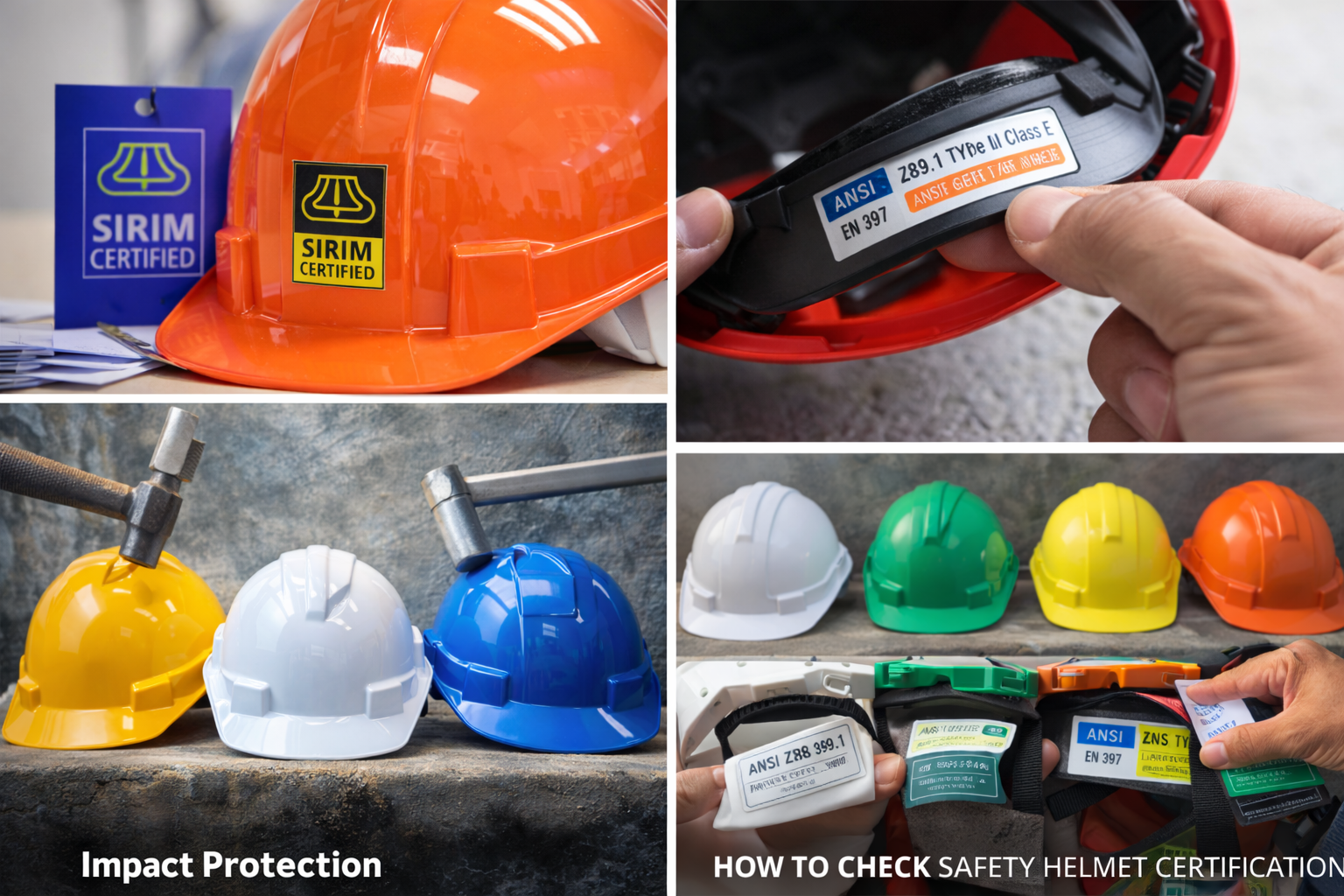
A safety helmet is your last line of defense against life-threatening head injuries. However, a helmet that is cracked, expired, or poorly maintained is not a safety device it is a false sense of security.
In Malaysia, intense UV exposure, high humidity, and heavy industrial use accelerate the degradation of PPE materials. Under DOSH (JKKP) and OSHA 1994 regulations, it is the employer's responsibility to ensure that all head protection remains in "suitable and effective" condition.
This guide provides a professional framework for inspecting, maintaining, and knowing exactly when to replace your safety helmets to ensure 100% compliance and worker safety.
How Long Does a Safety Helmet Last in Malaysia?
Many workers believe a helmet is "good forever" as long as it hasn't been hit. This is a dangerous misconception.
- Shelf Life: Most manufacturers specify a shelf life of up to 5 years if stored in original packaging in a cool, dry place.
- Service Life: Once the helmet is taken out of the box and used on a site, the clock starts. In Malaysia’s harsh climate, the industry standard for replacement is:
- Helmet Shell: Every 2 to 3 years (or sooner if damaged).
- Internal Suspension: Every 12 months (due to sweat, hair oils, and friction).
Pro Tip: Look for the Date of Manufacture wheel embossed inside the helmet shell. If your helmet was made more than 5 years ago, it must be replaced regardless of its appearance.
The 5-Point Daily Inspection Checklist
Before every shift, workers should perform this quick visual and functional audit:
- The Shell Check: Look for cracks, deep scratches, dents, or "chalky" surfaces. If the color has faded significantly (UV damage), the plastic is likely brittle.
- The "Squeeze" Test: Gently compress the sides of the helmet with both hands. If you hear any creaking or cracking sounds, the structural integrity is compromised.
- Suspension & Harness: Check the plastic or fabric straps for tears, fraying, or broken clips. Ensure the headband is securely attached to the shell.
- The Adjustment Dial: Ensure the ratchet or slide-lock system holds firmly. If it slips under pressure, the helmet will fall off during an actual impact.
- Cleanliness: Ensure there is no thick mud, tar, or oil covering the shell. Dirt can hide hairline cracks that are critical safety risks.
When to Replace Your Helmet Immediately
You must retire a safety helmet from service immediately if any of the following occur:
- Any Significant Impact: Even if there is no visible crack, the internal structure has absorbed the energy and will fail during a second impact.
- Chemical Exposure: Contact with fuels, solvents, or strong cleaning agents can "melt" the plastic on a microscopic level.
- Severe UV Damage: If the shell feels "brittle" or the plastic "flakes" when scratched with a fingernail.
Proper Cleaning & Storage Tips
To extend the life of your PPE and remain SIRIM-compliant, follow these maintenance rules:
- Cleaning: Use only mild soap and warm water.
- Do NOT use: Abrasive cleaners, petrol, or industrial solvents. These chemicals weaken the shell.
- Storage: Store helmets in a cool, dry spot away from direct sunlight.
- Vehicle Storage: Never leave your helmet on the dashboard or in a hot car. Malaysian sun can heat a car interior to 70°C, which can warp the helmet shell.
The "Do Not" List: Common Compliance Mistakes
- No Painting: Paint solvents can degrade the shell. If you need a specific color, buy a color-coded helmet from a supplier.
- No Unapproved Stickers: Some glues react with the plastic. Only use stickers approved by the manufacturer.
- No Modifications: Never drill holes for ventilation or cut the brim. This voids all safety certifications (SIRIM/EN 397).
FAQ: PPE Maintenance
Q: Can I use a helmet if it was dropped from a low height? A: If it dropped while empty (e.g., from a table), it is usually fine after an inspection. However, if it fell while holding weight or dropped from a significant height onto a hard surface, replace it.
Q: Is it okay to wear a cap under the helmet? A: No. Basecaps and beanies interfere with the suspension system’s ability to sit properly on your head, reducing protection during an impact.
Is Your PPE Fleet Ready for Replacement?
Don't wait for an accident to find out your helmets are expired. Routine inspection is the mark of a professional site.
At Haisar Supply & Services, we provide high-quality, SIRIM-certified safety helmets designed for Malaysia's demanding industrial environments. We also offer bulk replacement planning for factories and construction sites.
Need a bulk quote or a safety audit for your team?
📞 Sales: +60 17-707 0025
💬 WhatsApp: +60 12-570 7015
🌐 Website: www.haisar.com
