Can't find what you're looking for? Get in touch!



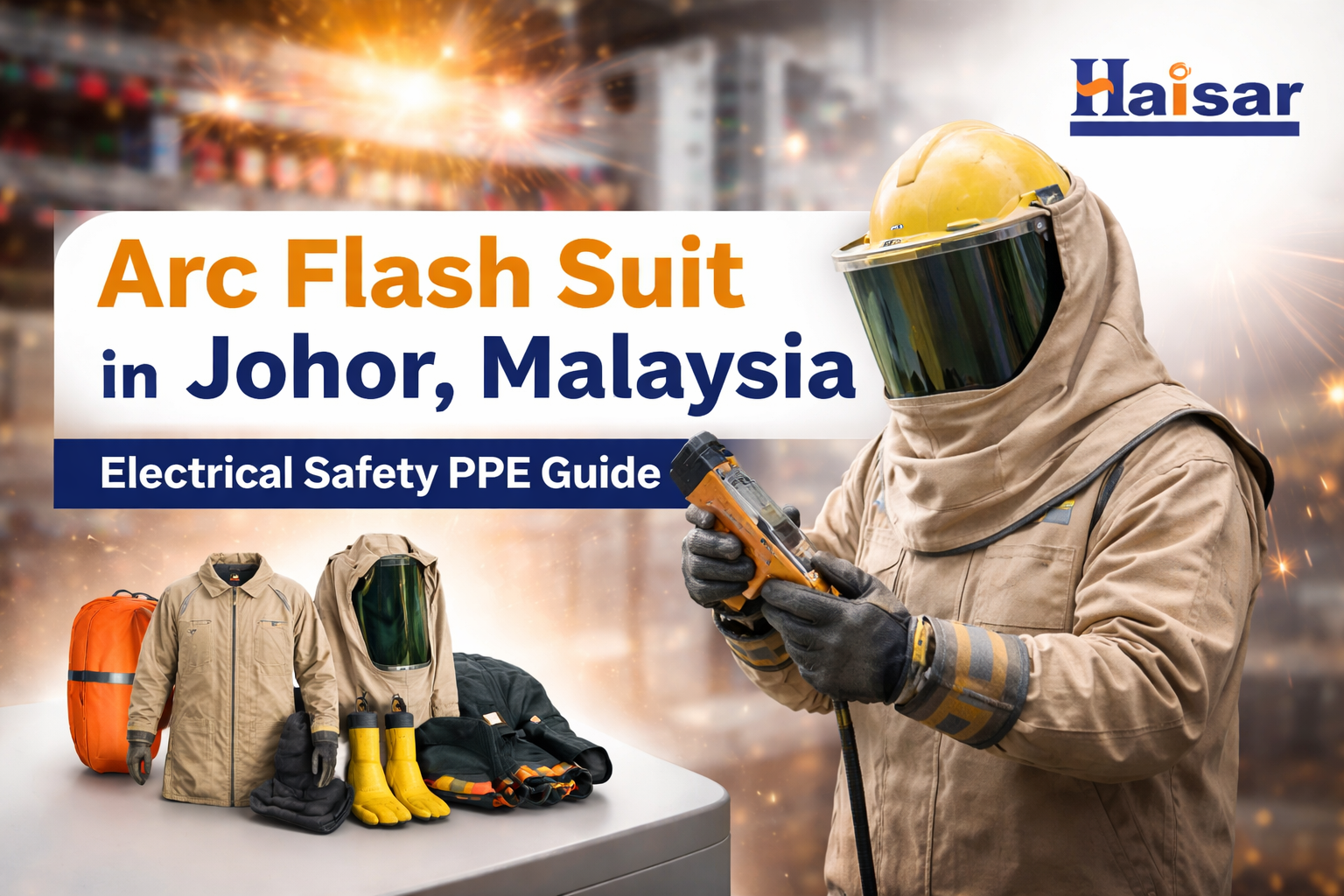
If you are looking for an arc flash suit in Johor, Malaysia, it means your work involves serious electrical hazards where safety cannot be compromised. Arc flash incidents are among the most dangerous risks faced by electrical workers, capable of causing severe burns, injuries, and even fatalities within milliseconds. Selecting the correct arc flash PPE is not just about compliance it is about protecting lives, reducing downtime, and ensuring safe operations.
This guide explains what an arc flash suit is, how arc flash ratings work, who needs this protection, and how to choose the right arc flash suit supplier in Johor, Malaysia.
What Is an Arc Flash and Why Is It Dangerous?
An arc flash occurs when electrical current leaves its intended path and travels through the air due to a fault. This sudden discharge releases massive energy that can reach temperatures hotter than the surface of the sun.
An arc flash can cause:
- Extreme thermal burns to skin and body
- Ignition of clothing and surrounding materials
- Molten metal and debris propelled at high speed
- Intense pressure waves and loud explosions
- Serious eye and hearing damage
Arc flash hazards commonly arise during work on switchboards, electrical panels, MCCs, transformers, and substations. In Malaysia’s industrial environment where continuous operations, aging infrastructure, and high humidity are common these risks are especially relevant, check our Arch Flash suits.
What Is an Arc Flash Suit?

An arc flash suit is specialized electrical safety PPE designed to protect workers from thermal energy released during an arc flash event. The suit is made from arc-rated fabrics that resist ignition and reduce the severity of burns.
A complete arc flash PPE system may include:
- Arc flash jacket and pants or coverall
- Arc flash hood for head, face, and neck protection
- Arc-rated face shield or visor
- Arc-rated gloves and leather protectors
- Safety helmet and hearing protection (as required)
An arc flash suit is not everyday workwear it is selected based on the specific electrical risk level and must match the task being performed.
Arc Flash Suit Ratings Explained: ATPV and NFPA 70E
What Is ATPV?
ATPV (Arc Thermal Performance Value) measures the amount of thermal energy (cal/cm²) a fabric can withstand before there is a 50% probability of second-degree burns.
In simple terms:
- Higher ATPV = higher protection
- Protection must always exceed the expected incident energy
Arc Flash PPE Categories
Many organizations refer to NFPA 70E guidelines when selecting arc flash PPE. While not a Malaysian law, it is widely accepted as a best-practice standard in industrial electrical safety.
| Arc Flash Category | Typical Rating (cal/cm²) | Common Applications |
|---|---|---|
| Category 2 | 8 cal/cm² | Panel and control work |
| Category 3 | 25 cal/cm² | Industrial switchgear |
| Category 4 | 40+ cal/cm² | High-risk substations |
A Category 4 arc flash suit is required for high-energy environments where the consequences of an arc flash are severe.
Who Needs Arc Flash Suits in Johor, Malaysia?
Johor is one of Malaysia’s most active industrial regions, making arc flash PPE essential for many sectors, including:
- Electrical contractors and service technicians
- Manufacturing and industrial plants
- Power distribution and substations
- Data centers and critical facilities
- Oil & gas and chemical processing plants
- Facility maintenance and engineering teams
Any task involving energized electrical equipment, testing, troubleshooting, or switching should be assessed for arc flash risk and protected accordingly.
How to Choose the Right Arc Flash Suit
Choosing the correct arc flash suit ensures safety without unnecessary cost or discomfort.
1. Conduct a Risk Assessment
Start with:
- Equipment type and voltage level
- Fault current and clearing time (if available)
- Arc flash labels or study results
Always base PPE selection on risk data, not assumptions.
2. Select the Correct Arc Rating
Your arc flash suit must have an ATPV rating equal to or higher than the calculated incident energy. Underrated PPE can result in catastrophic injuries.
3. Ensure Full System Protection
Higher-risk tasks require:
- Arc flash hood instead of a simple face shield
- Neck and head protection
- Compatibility with helmet and hearing PPE
4. Consider Comfort and Usability
In Malaysia’s climate, comfort affects compliance. Look for:
- Proper sizing and mobility
- Breathable arc-rated fabrics
- Clear visibility in visors and hoods
- Durable closures and stitching
5. Buy From a Trusted Local Supplier
Working with an arc flash suit supplier in Johor, Malaysia offers:
- Faster delivery and replacement
- Better sizing support for teams
- Local knowledge of industrial requirements
Electrical Safety and Compliance in Malaysia
In Malaysia, employers have a responsibility to ensure workplace safety under occupational safety principles enforced by authorities such as DOSH (Department of Occupational Safety and Health). While specific arc flash standards may vary by organization, conducting proper risk assessments and providing suitable PPE is a core duty of care.
Arc flash suits form part of a broader electrical safety system that includes training, procedures, labeling, and maintenance.
Common Mistakes When Buying Arc Flash Suits
Avoid these costly errors:
- Assuming FR clothing is sufficient: Not all flame-resistant clothing is arc-rated for arc flash hazards.
- Ignoring head and face protection: Burns often occur above the shoulders.
- Choosing based on price alone: Inadequate protection can cost far more in injuries and downtime.
- No inspection or replacement plan: Damaged or contaminated PPE must be removed from service.
Maintenance and Inspection of Arc Flash Suits
Inspection Before Use
Check for:
- Tears, holes, or damaged seams
- Contamination with oils or chemicals
- Cracked or damaged visors
- Missing or unreadable rating labels
Cleaning and Storage
- Follow manufacturer washing instructions
- Avoid harsh detergents or bleach
- Store in a clean, dry area away from sunlight
When to Replace
Replace arc flash suits if they are damaged, exposed to an arc event, contaminated, or no longer fit properly.
Arc Flash Suit Supplier in Johor, Malaysia
Selecting the right supplier is as important as selecting the right suit. When sourcing an arc flash suit in Johor, Malaysia, look for a supplier that can provide:
- Certified arc-rated PPE
- Multiple protection categories and sizes
- Consistent stock availability
- Technical guidance for proper selection
- Long-term support for industrial clients
If you are unsure which arc flash suit rating is suitable for your workplace, professional guidance can help you make a safe and cost-effective decision.
Frequently Asked Questions (FAQ)
What arc flash suit rating is required in Malaysia?
The required rating depends on the incident energy level identified through risk assessment or arc flash studies. There is no single universal rating.
Is NFPA 70E applicable in Malaysia?
NFPA 70E is not Malaysian law, but it is widely used as a best-practice reference for arc flash protection.
How often should an arc flash suit be replaced?
Replace it when damaged, contaminated, or after exposure to an arc flash event, or if inspection shows degradation.
What is the difference between arc flash suits and FR clothing?
Arc flash suits are specifically tested for arc thermal protection, while generic FR clothing may not offer sufficient arc flash resistance.
Conclusion
Choosing the right arc flash suit in Johor, Malaysia is a critical step in protecting electrical workers from life-threatening hazards. By understanding arc flash risks, selecting the correct ATPV rating, maintaining PPE properly, and working with a reliable local supplier, organizations can significantly reduce injury risks and improve electrical safety outcomes.
If you are equipping a team or upgrading your electrical safety PPE, selecting the right arc flash suit today can prevent serious incidents tomorrow.
1. What arc flash suit rating is required in Malaysia?
There is no single mandatory arc flash suit rating for all workplaces in Malaysia. The required rating depends on the incident energy level (cal/cm²) identified through an arc flash risk assessment or equipment labeling. Employers are responsible for ensuring that arc flash PPE provides protection equal to or greater than the identified hazard.
2. Is NFPA 70E applicable in Malaysia?
NFPA 70E is not a legal requirement in Malaysia, but it is widely used as an international best-practice reference for arc flash safety. Many industrial organizations in Malaysia follow NFPA 70E guidelines when selecting arc flash PPE and defining safe electrical work practices.
3. What is the difference between an arc flash suit and FR clothing?
An arc flash suit is specifically tested and rated to withstand arc flash thermal energy, measured in cal/cm².
FR (flame-resistant) clothing may resist ignition but does not always provide sufficient protection against arc flash hazards unless it is arc-rated and tested for arc thermal performance.
4. When is a Category 4 arc flash suit required?
A Category 4 arc flash suit is required when the calculated incident energy exceeds lower protection levels, typically 40 cal/cm² or higher. These suits are commonly used for high-risk tasks involving large switchgear, substations, or high fault current environments.
5. How often should an arc flash suit be inspected?
Arc flash suits should be inspected before every use. Inspections should check for fabric damage, contamination, damaged closures, cracked visors, and missing labels. Regular inspections ensure the PPE remains effective and safe to use.
6. When should an arc flash suit be replaced?
An arc flash suit should be replaced if it:
- Has been exposed to an arc flash incident
- Shows signs of tearing, burning, or fabric degradation
- Is contaminated with flammable substances
- Has unreadable or missing rating labels
- No longer fits properly or restricts safe movement
7. Can arc flash suits be washed?
Yes, arc flash suits can be washed, but only according to the manufacturer’s instructions. Improper washing methods, harsh detergents, or bleach can reduce the protective performance of arc-rated fabrics.
8. Who should wear arc flash suits in Johor, Malaysia?
Arc flash suits are required for electrical workers such as:
- Electrical technicians and contractors
- Maintenance and engineering teams
- Workers handling energized switchboards or panels
- Personnel working in substations or industrial electrical rooms
Any task involving potential arc flash exposure should be evaluated for proper PPE requirements.
9. Why is it important to buy arc flash suits from a local supplier in Johor?
A local supplier in Johor can provide faster delivery, correct sizing, technical guidance, and ongoing support, ensuring arc flash PPE is available when needed and suitable for local industrial conditions.
10. Is arc flash PPE required if equipment is switched off?
Even when equipment is switched off, arc flash PPE may still be required during testing, verification, or when the risk of unexpected energization exists. PPE requirements should always follow the site’s risk assessment and safety procedures.
